In brief
A CCTV‑recorded assault on a French nun in Jerusalem has sparked outrage, but Jerusalem Magistrates Court acquitted Yona Schreiber on grounds of mental illness. The judge ruled he was not criminally responsible and ordered him to a psychiatric hospital for up to six years. The incident intensified concerns about rising harassment of Christian clergy in the Old City and underscored Israel’s commitment to religious freedom. International reactions ranged from condemnation by the French Consulate to emphasis on safeguarding coexistence in Jerusalem.
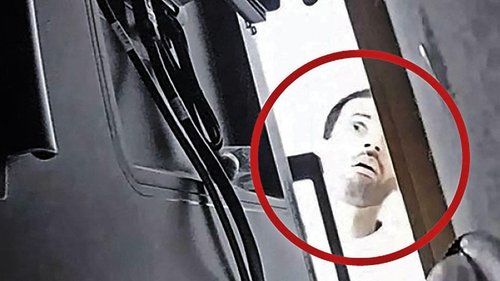
An Israeli court has acquitted a Jewish man who attacked a French nun in Jerusalem, the incident captured on CCTV and condemned worldwide. The court concluded Yona Schreiber (36) was experiencing a psychotic episode at the time of the attack, which involved pushing and kicking the nun in the Old City’s Eastern quarter, and therefore was not criminally responsible.
Schreiber’s conviction was for assault motivated by hostility toward a religious group, but a district psychiatrist reported he was in a psychotic state and not fit to stand trial. The prosecution accepted the report, leading to the acquittal and a conditional psychiatric commitment of up to six years.
The video sparked anger after spate of incidents against Christian clergy in Jerusalem’s Old City. The French Consulate in Jerusalem condemned the aggression, labeling it an "act of sectarian violence". Israel’s foreign ministry "denounced the attack as a shameful act that contradicts the values of respect, coexistence and religious freedom" on X.
Past years have seen regular cases of religious Jews spitting and acting violently toward Christians wearing religious dress. Church properties have been vandalised, and settler takeovers have sparked disputes about ownership and responsibilities of holy sites. A 2025 report by the Rossing Center noted a "recent surge" in overt animosity toward Christianity due to polarisation and ultra‑nationalist political trends.
The court’s decision highlights how mental health can intersect with legal responsibility, and forces a re‑examination of security measures to protect minority religious communities in fraught urban spaces.