Minneapolis ICE Shooting: Investigating the Justification Behind the Tragic Incident
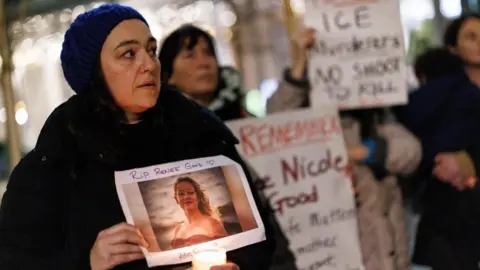
The recent fatal shooting of a woman by a federal agent in Minneapolis has raised pivotal questions about the use of deadly force in law enforcement. This incident, which claimed the life of 37-year-old Renee Good, witnessed stark contrasts in official narratives and has incited nationwide protests.
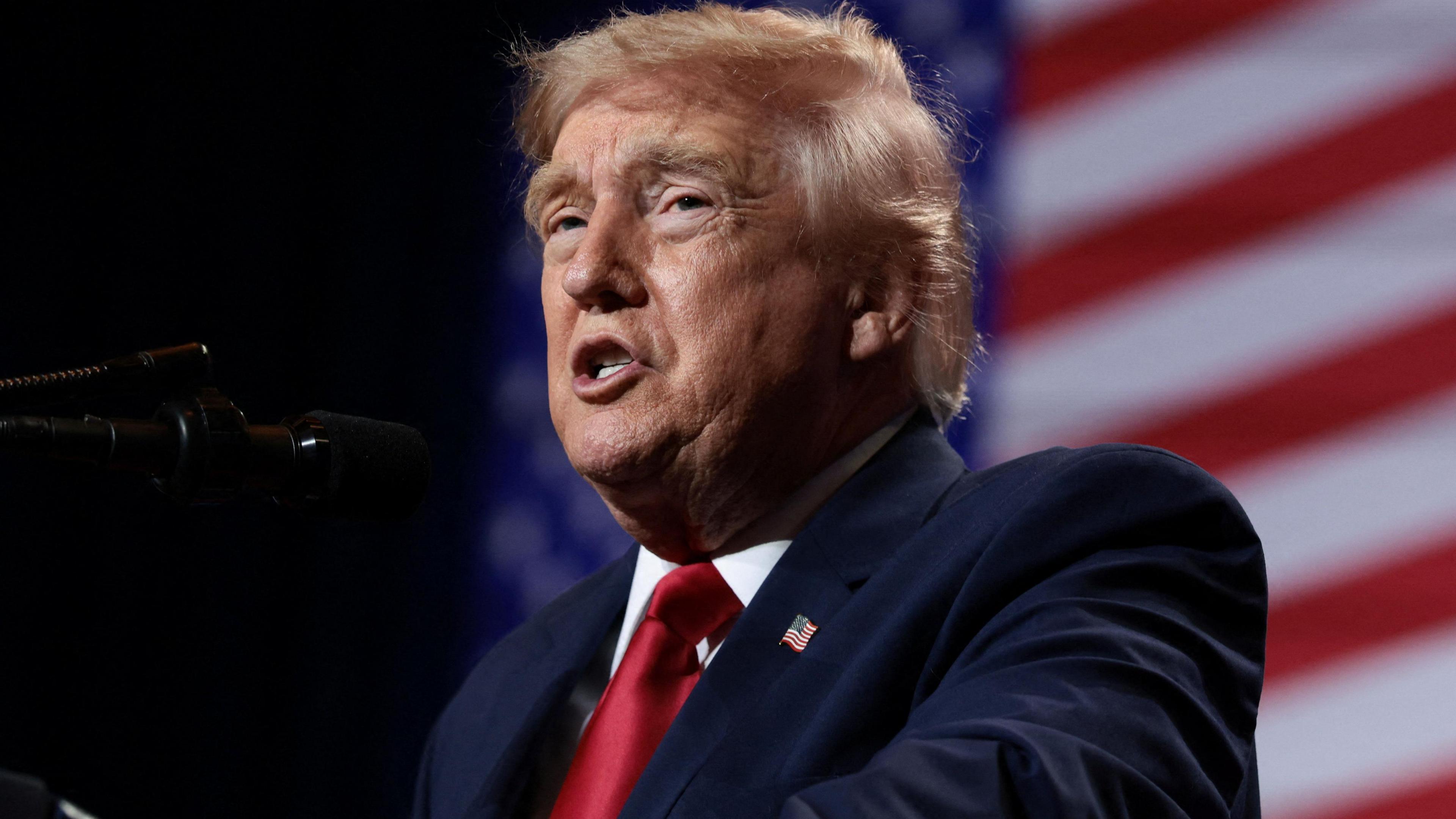
Videos of the incident depict U.S. Immigration and Customs Enforcement (ICE) agent Jonathan Ross firing at Good while she was in her vehicle. The narrative surrounding the event is deeply polarized, with President Trump labeling Good as a 'domestic terrorist,' whereas state officials argue she was merely attempting to escape the scene.
Former law enforcement officials suggest that there could be a case for justifying the agent's use of deadly force based on his perception of threat. However, they express concerns over the possible influence of political statements made by officials in the wake of the shooting, suggesting that these could hinder an impartial investigation.
Two divergent interpretations of the video footage underscore this issue. Local authorities contend that the videos show Good was not a threat as she moved her vehicle in the opposite direction, while federal officials allege that she was attempting to harm the officer.
As investigators delve deeper into the incident, they must weigh Ross's actions against the Department of Homeland Security's policy on engagement rules for officers. Under these guidelines, an agent can use deadly force if they reasonably believe they are under an imminent threat of serious injury or death.
additional factors, including Ross's prior experiences of assault while on duty, may be considered as justifications for his actions during the incident. However, legal and ethical debates continue regarding whether using lethal force is the appropriate response in such confrontations.
The complexities of this case bring to light broader issues of jurisdiction as well, with Minnesota officials expressing discontent at being excluded from the federal investigation. They argue that transparency and an unbiased review are crucial in a case steeped in political sensitivity.
This tragic event raises essential discussions on the balance between ensuring public safety and protecting civil rights within the realm of law enforcement—discussions that are critical as communities across the nation demand accountability and reform.