
In brief
The ongoing U.S. Department of Homeland Security shutdown impacts the Transportation Security Administration (TSA), with officers continuing to operate without pay. Industry experts warn that longer security lines and potential flight delays are likely as the funding lapse persists. Travelers are advised to plan ahead and arrive early at airports, while the government continues negotiations to resolve the funding issue.
A shutdown of the U.S. Department of Homeland Security (DHS) that began early Saturday affects the Transportation Security Administration (TSA), responsible for airport security screening nationwide. Travelers with flight bookings might nervously recall the significant disruptions caused by the previous 43-day government shutdown which resulted in historic flight cancellations and extensive delays.
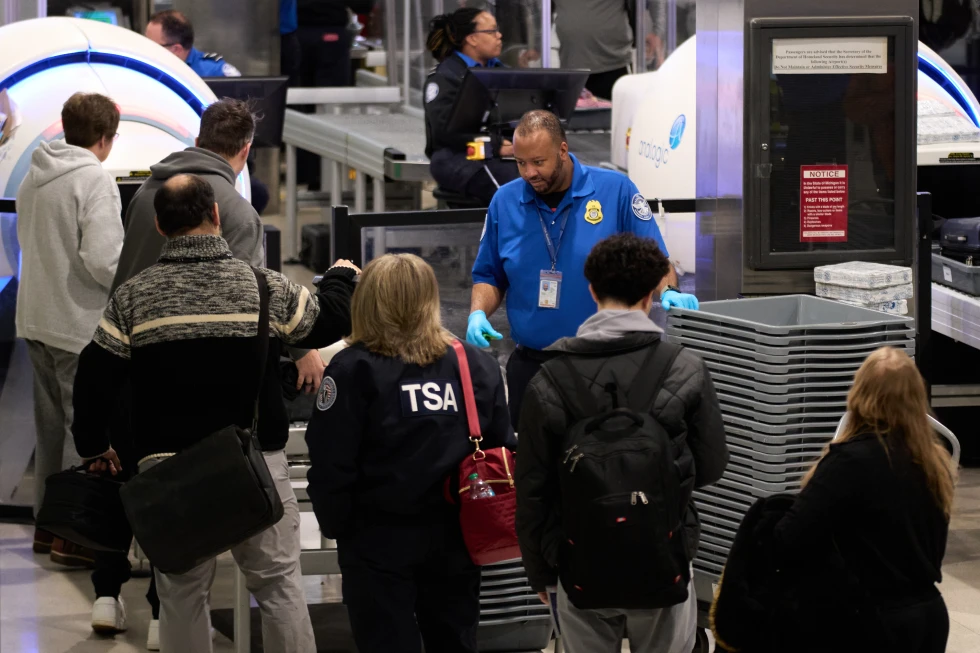
TSA officers are required to continue working despite the funding lapse, though they will be doing so without pay. This marks a troubling scenario as aviation experts predict longer wait times and more significant delays compared to the last shutdown. The U.S. travel industry and major airlines have expressed concerns that as appropriations for DHS remain halted, security lines at commercial airports could gradually lengthen.
The current shutdown is unique in that funding for many other federal operations remains intact until September 30. While air traffic controllers employed by the FAA are not affected and will receive paychecks as usual, the TSA is required to keep about 95% of its workforce on duty due to their essential roles. However, Democratic lawmakers are insisting on new restrictions concerning federal immigration operations before agreeing to allocate more funds to DHS.
Historically, disruptions during past shutdowns occurred over time rather than immediately. For instance, during last year's shutdown, TSA checkpoints were closed, and the government had to mandate airlines to reduce domestic flight schedules. Experts warn that any unscheduled absences from TSA personnel may quickly result in longer wait times, especially at smaller airports with limited security resources.
Travelers are advised to allow for additional time when arriving at airports and to keep an eye on security line wait times displayed on airport websites. By packing smart and being aware of prohibited items, travelers can help expedite their own security screenings, including avoiding large liquids and items restricted in carry-on luggage.
As negotiations continue in Washington, the potential for the DHS shutdown to drag on remains, jeopardizing air travel as spring break approaches. The airline industry warns that heightened risks due to TSA employees working without pay could lead to unscheduled absences, longer wait times, and further disruptions in air travel.
