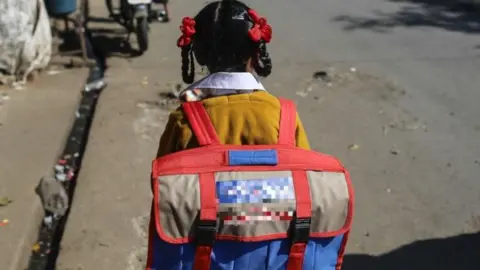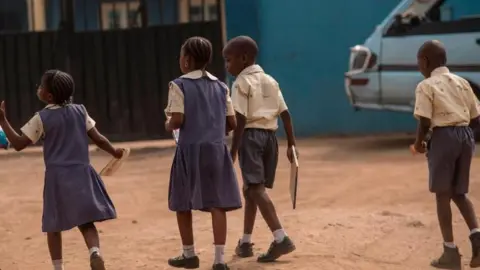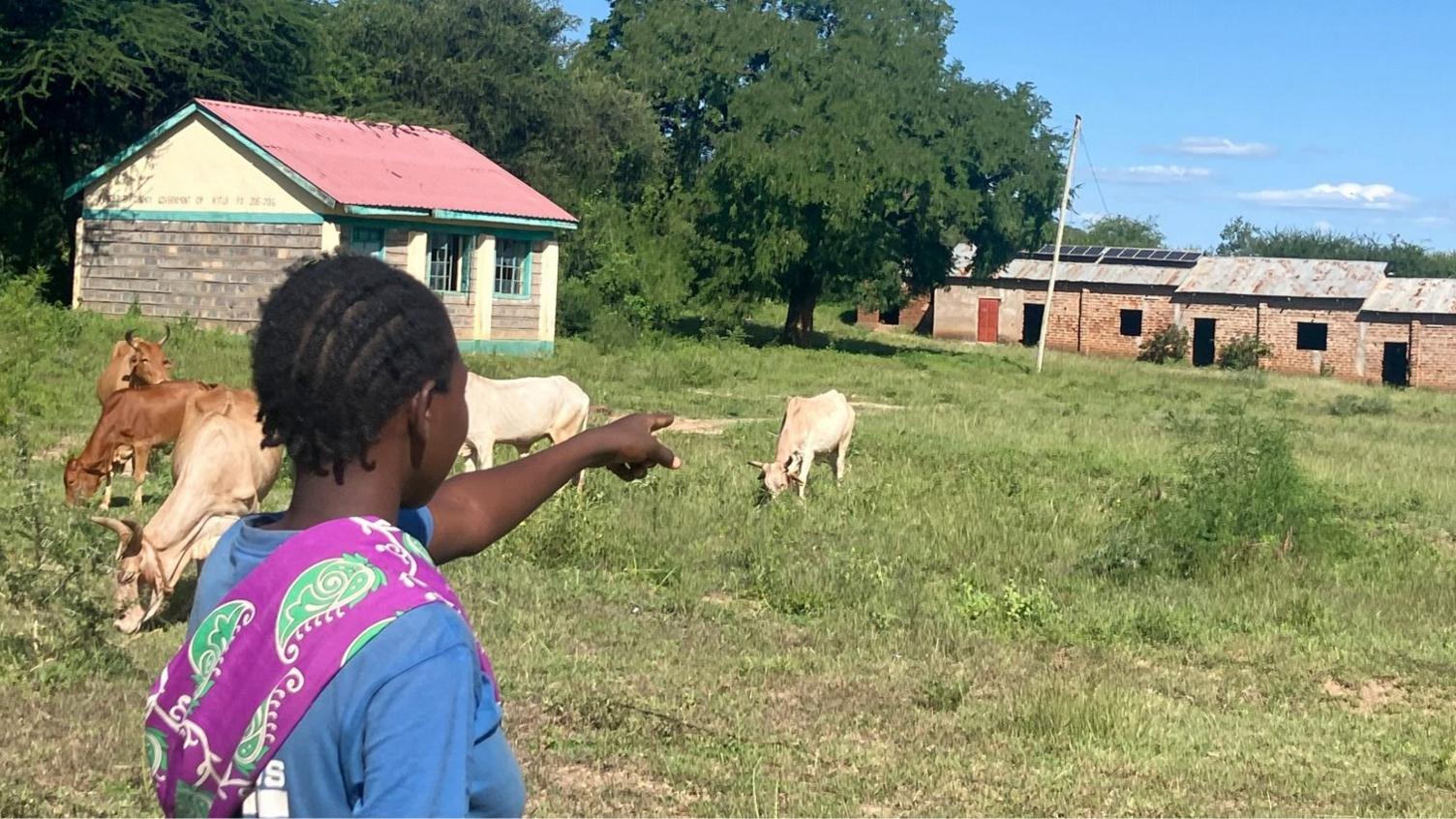
On a morning that should have filled Kaliluni Primary School in Kenya’s Kitui County with the chatter of 200 children, only cows passed by the broken classroom doors. The school’s decline to five pupils has become a symbol of a wider issue: an alarming trend of rural schools across Kenya shutting down under the new Competency‑Based Education (CBE) curriculum.
CBE, introduced in 2017, re‑structures Kenya’s education system into primary, junior secondary (grades 7‑9) and senior secondary stages. The intention is to reduce exam pressure and foster practical learning. However, the re‑organisation demands that primary schools accommodate grades 7‑9 – a move that requires extra classrooms, laboratory space and specialist teachers that many rural schools simply lack. The result is a steep drop in enrolment as pupils, teachers and families either transfer to other schools or abandon formal education altogether.
Maureen Mwisiwa, 12, now walks an hour to the nearest school after her mother, Professor Isabella Muasya, planned to move her from Kaliluni. “I was hoping the government would bring more teachers and equipment,” Ms. Muasya laments. “There’s no hope.” Parents across Kitui echo this frustration, citing a lack of trained staff and essential facilities as the main barriers.
Teachers themselves share the sentiment. One unnamed teacher noted that “our new curriculum is good, but we’re juggling a transition without a solid plan.” With only five pupils, the remaining teacher has no colleagues to share workload, and the school has no headteacher, a watchman or a dedicated science lab.
Experts highlight that the shortage of pupils is not unique to primary schools. In a similar pattern, over 2,700 Kenyan secondary schools – mainly in remote areas – have fewer than the required 150 learners. The Ministry announced that 2,145 public primary schools will either close or merge to streamline resources, with a minimum enrolment of 45 students set as the viability threshold.
Critics worry that widespread closures could “cause overcrowding elsewhere” and put safety at risk. Dr. Emmanuel Manyasa, head of the nonprofit Usawa Agenda, warns that the government’s crisis‑management approach has left many schools vulnerable. “The plan skips critical stages like cost and implementation, leading to unsustainable outcomes,” he says.
The rural exodus, driven by jobs in urban centres and changing family structures, also lowers enrolment. Economist Sarah Mumbua explains that “young people fear they cannot provide for a family, so fewer children are born in villages now.” This demographic shift compounds the challenge of keeping rural schools viable.
The Kenyan government acknowledges the dilemma. Education Minister Julius Ogamba emphasized that “it makes no sense to operate a school with only 10 students when it requires staff and a classroom.” He pledged an audit of all schools and urged that further reforms involve proper resource allocation to ensure even the smallest schools can meet new curriculum demands.
As rural communities grapple with declining student numbers and resource shortages, the crisis has highlighted the gap between national policy goals and on‑the‑ground realities. Whether CBE can fulfil its promise will depend largely on turning policy into practice, ensuring that every child—whether in a thriving urban academy or a modest village school—receives quality education and essential support.