In brief
In the capital, students have been on the streets for a month, demanding safer, larger classrooms and more teachers; the protests have closed hundreds of lycées. The movement, ongoing for four weeks, has reached a tipping point as students warn that stopping would be a defeat and that their loud demands must be heard. The demonstrations highlight widespread frustration with outdated school buildings, teacher shortages and overcrowding that have left many adolescents without adequate learning spaces. While many French students still say they have not achieved tangible outcomes, their resolve to keep shouting threatens to disrupt the education system further.
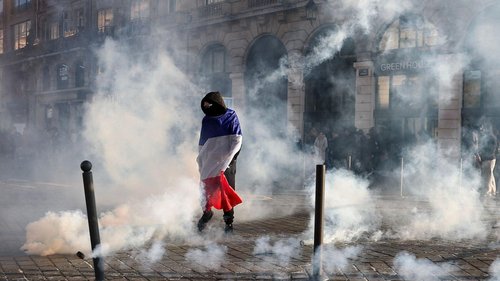
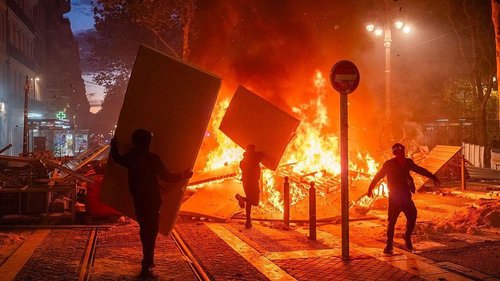
In the heart of Paris, thousands of secondary‑school students have marched for four weeks, demanding an end to the chronic overcrowding, outdated buildings and a shortage of teachers that plague the French education system.
“If we don't scream, they won't listen to us,” one protester told the BBC, underscoring the urgency of their cause. The students’ chant has spread beyond the capital, with schools across the country shuttering as the demonstrations intensify.
Despite these high‑profile actions, many participants admit that they have yet to secure concrete concessions. However, the risk of a premature cease‑fire has them wary that a halt would mean defeat for the movement and a statement that their messages will be ignored.
The protests hit economic and social back‑room discussions; government officials are under pressure to address the knock‑on effects of overcrowded classrooms and teacher exhaustion that ripple through French youth.
For now, the streets of Paris remain a flashpoint where the pleas of students echo against the backdrop of historic monuments, a testament to the power of collective voice for change in education.