In brief
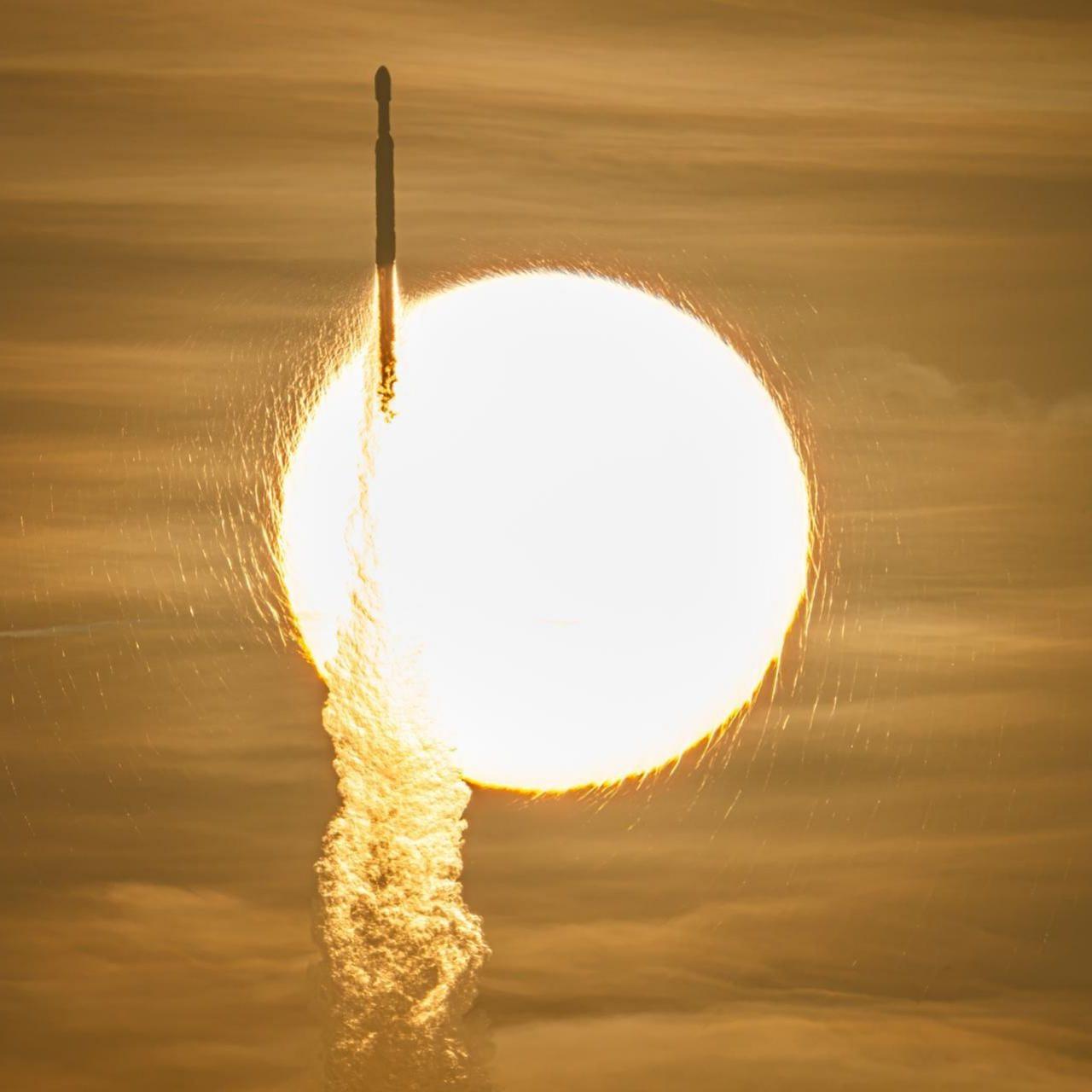
On Sunday morning, NASA's Roman Space Telescope blasted from Florida aboard a SpaceX Falcon Heavy, heading to an orbit one million miles away. The 10‑meter‑class mirror will survey billions of galaxies, probe the nature of dark energy and dark matter, and uncover exoplanets, offering 100‑fold the field of view of the Hubble and James Webb telescopes. The mission honours Nancy Grace Roman, the first female NASA chief astronomer, and marks a bold step toward answering whether humanity is alone in the universe.
NASA’s latest space endeavour began with a roaring blast off from Kennedy Space Center, Florida, as the Nancy Grace Roman telescope was launched aboard a SpaceX Falcon Heavy on a Sunday morning.
Once separated from the launch vehicle, the telescope is on a 100‑day trek to a point roughly one million miles from Earth, where it will begin mapping the cosmos and hunting for exoplanets.
Designed for the future of astronomy, the Roman telescope boasts a field of view 100 times larger than that of the Hubble and James Webb space telescopes, giving scientists a sweeping view of the universe.
NASA administrator Nicky Fox said the mission will transform how we look at the universe, “With Roman we are going to make a giant leap forward that will allow us to examine distant worlds and begin to resolve their atmospheres, telling us if they might support life.”
The space telescope is named after Nancy Grace Roman, a pioneer who served as NASA’s first chief astronomer and championed the Hubble Space Telescope. Her legacy now lives on as Roman seeks to uncover the mysteries of dark energy and dark matter, which together make up roughly 95 % of the universe.
Key goals include surveying billions of galaxies, studying black holes, and detecting and characterising thousands of exoplanets, with a five‑year primary lifespan and a long‑term plan for ten years of operation.
Comparatively, the James Webb Telescope also orbits around one million miles from Earth but offers a more limited field of view, while NASA’s Hubble sits at around 300 miles above Earth’s surface, reflecting the progress in space technology.
As President Donald Trump joined the news conference to applaud the launch, the achievement exemplifies a continuing partnership between government and science, heralding a new era of exploration for all of humanity.