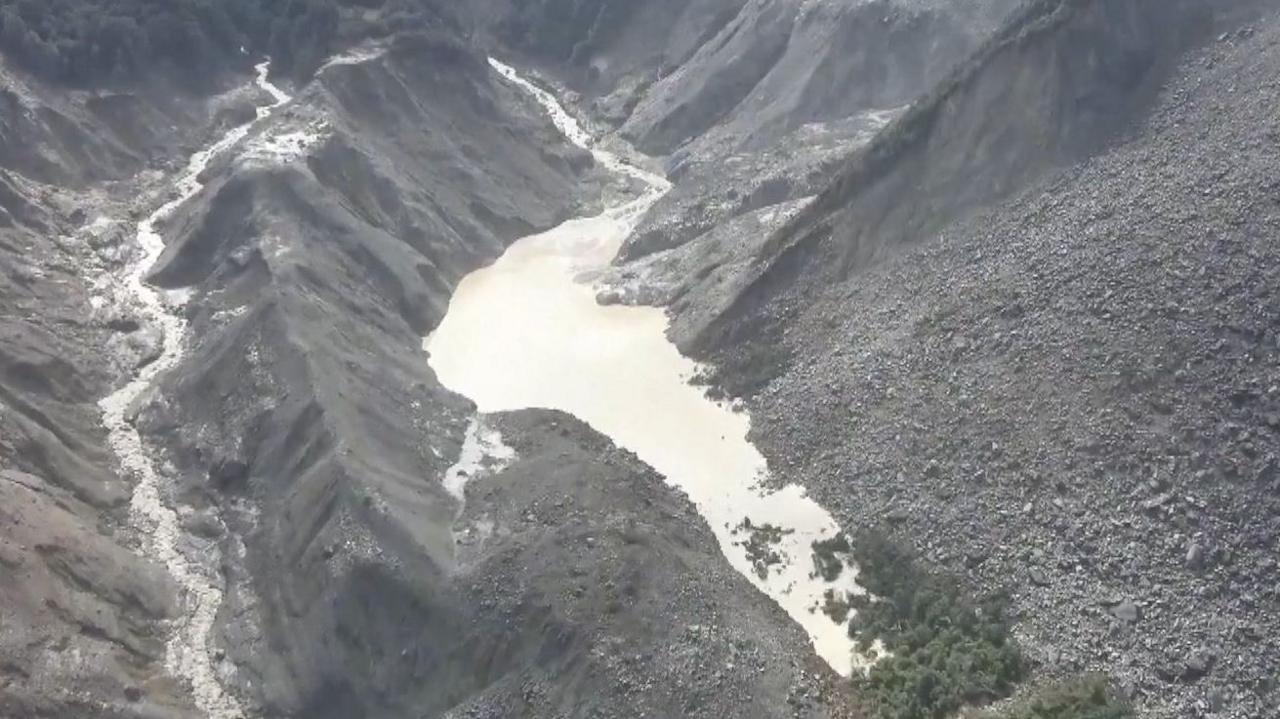
National mourning as Nepal continues search after deadly flash flood
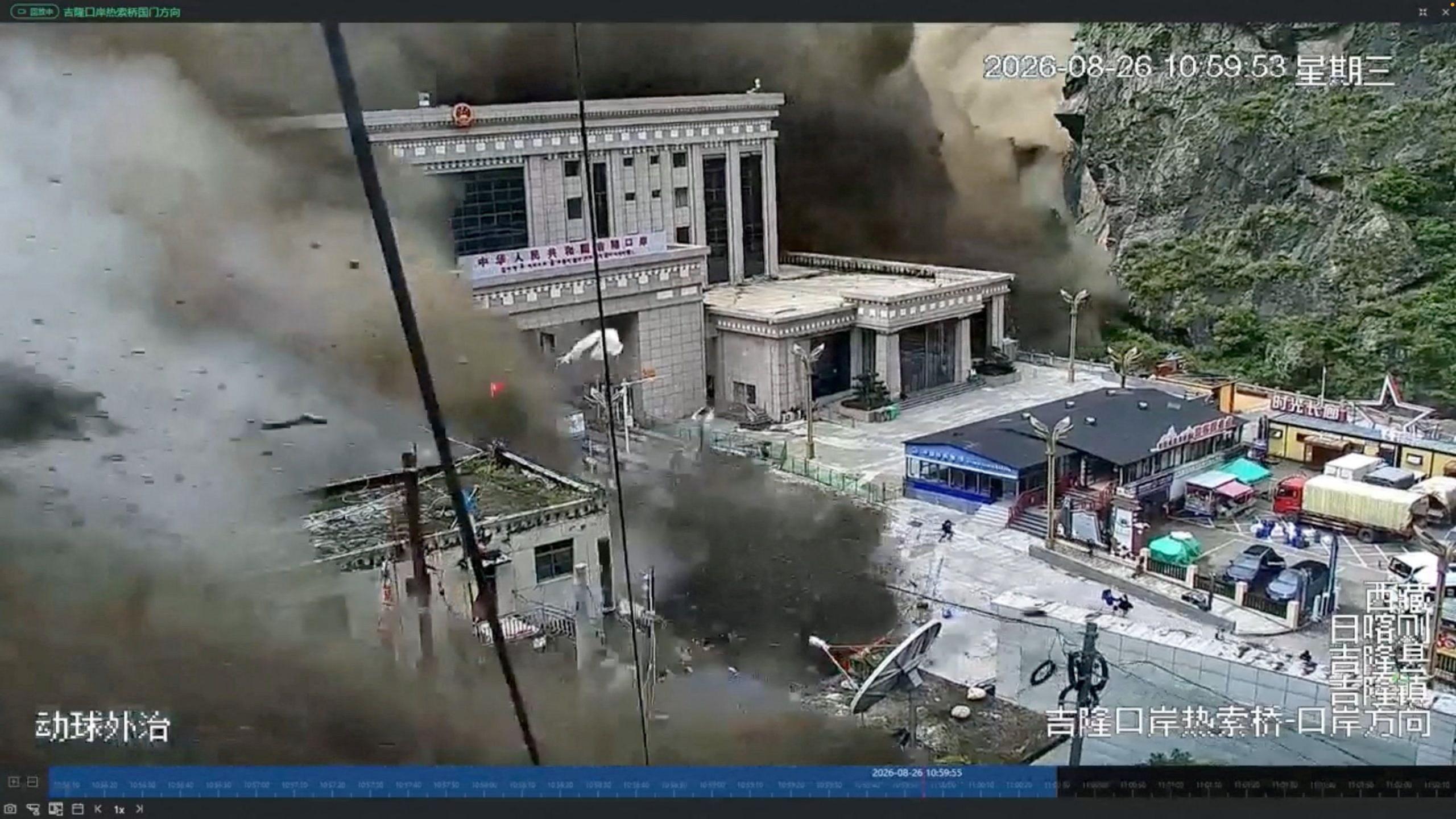
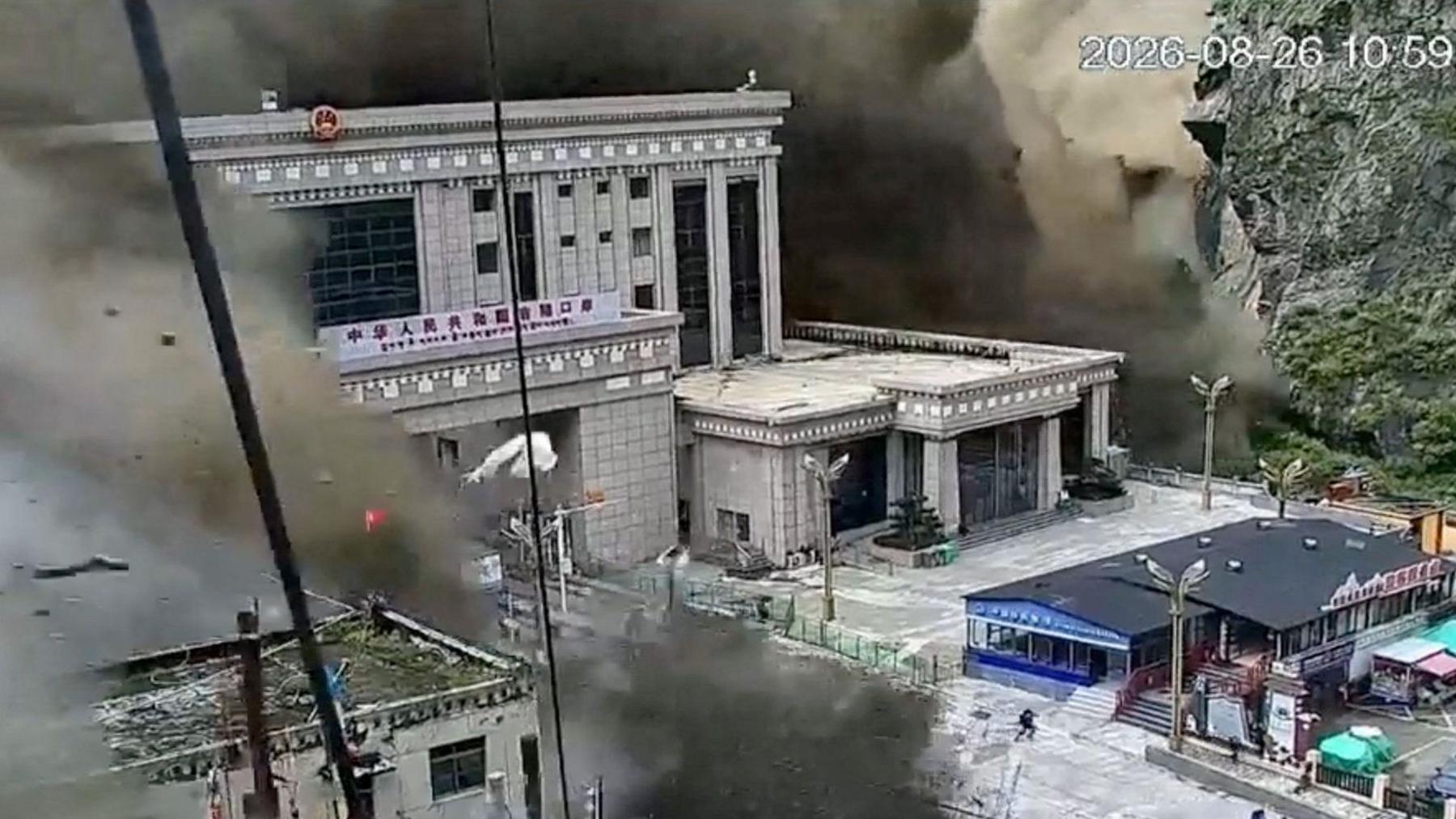
On Monday, Nepal observed a national day of mourning for the victims of a flash flood that began in a Himalayan valley near the Tibet border. The ceremony coincided with the final day of a 13‑day Hindu mourning period, marked by lighting candles and silent vigils.
Flags were flown at half mast across the country, and local candle‑light vigils were planned for evening. Despite the formal mourning, rescue teams remain on the front lines, with no government‑run commemoration programmes announced while search and rescue operations continue unabated.
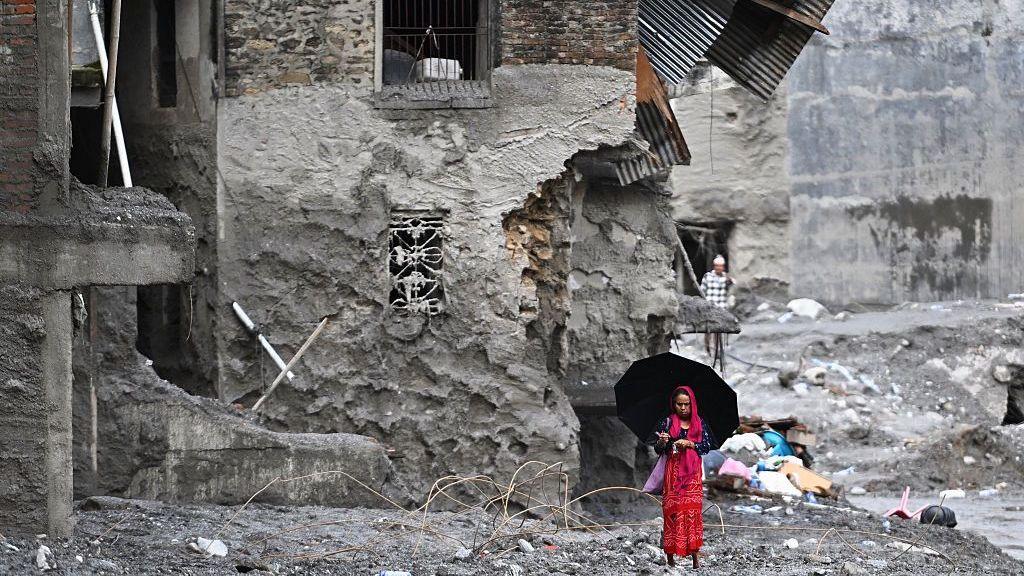
More than 1,287 people are confirmed dead, and over 5,000 remain missing almost two weeks after the disaster. The National Emergency Operation Centre (NEOC) confirmed that relief efforts focus purely on search and rescue.
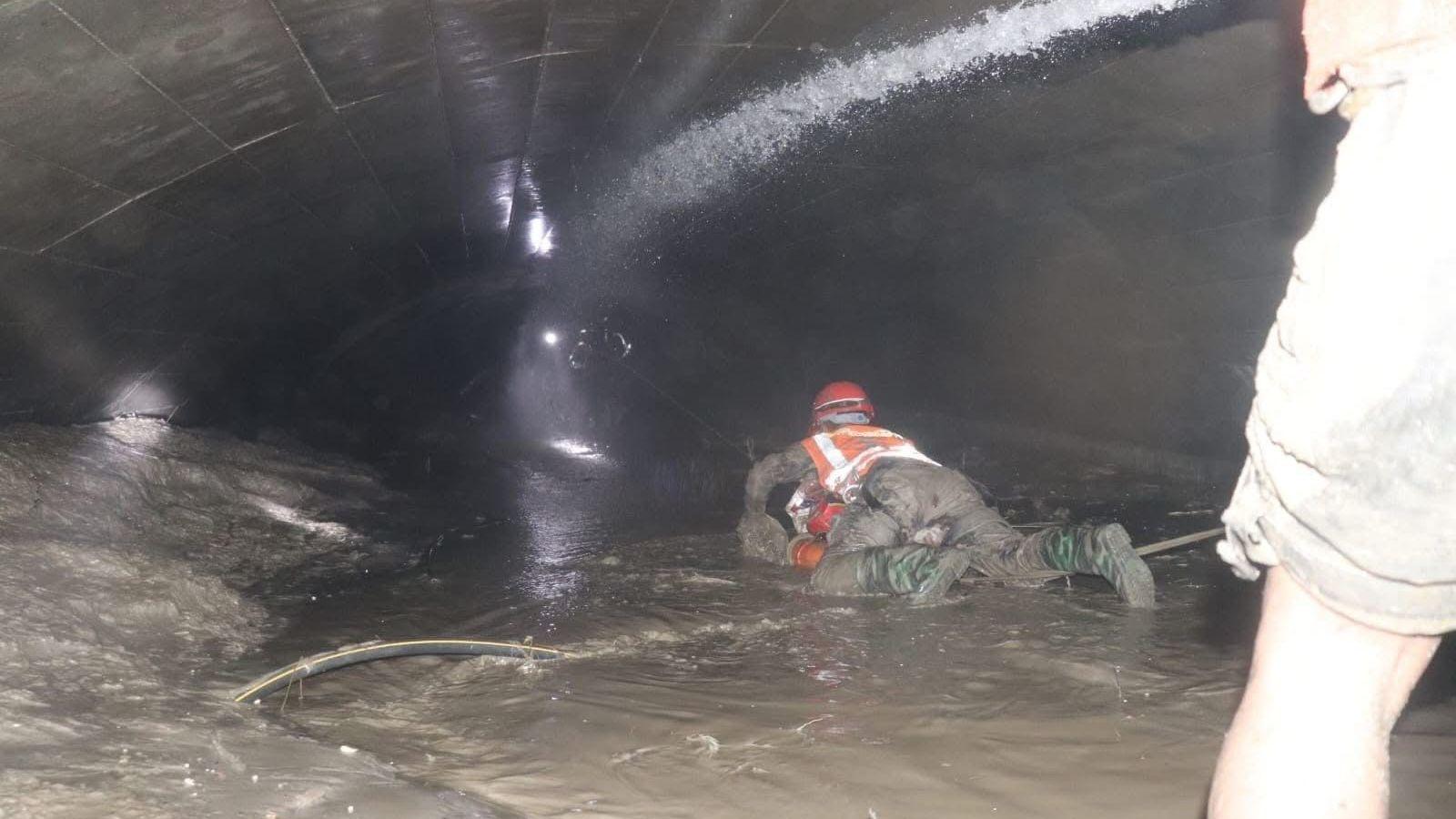
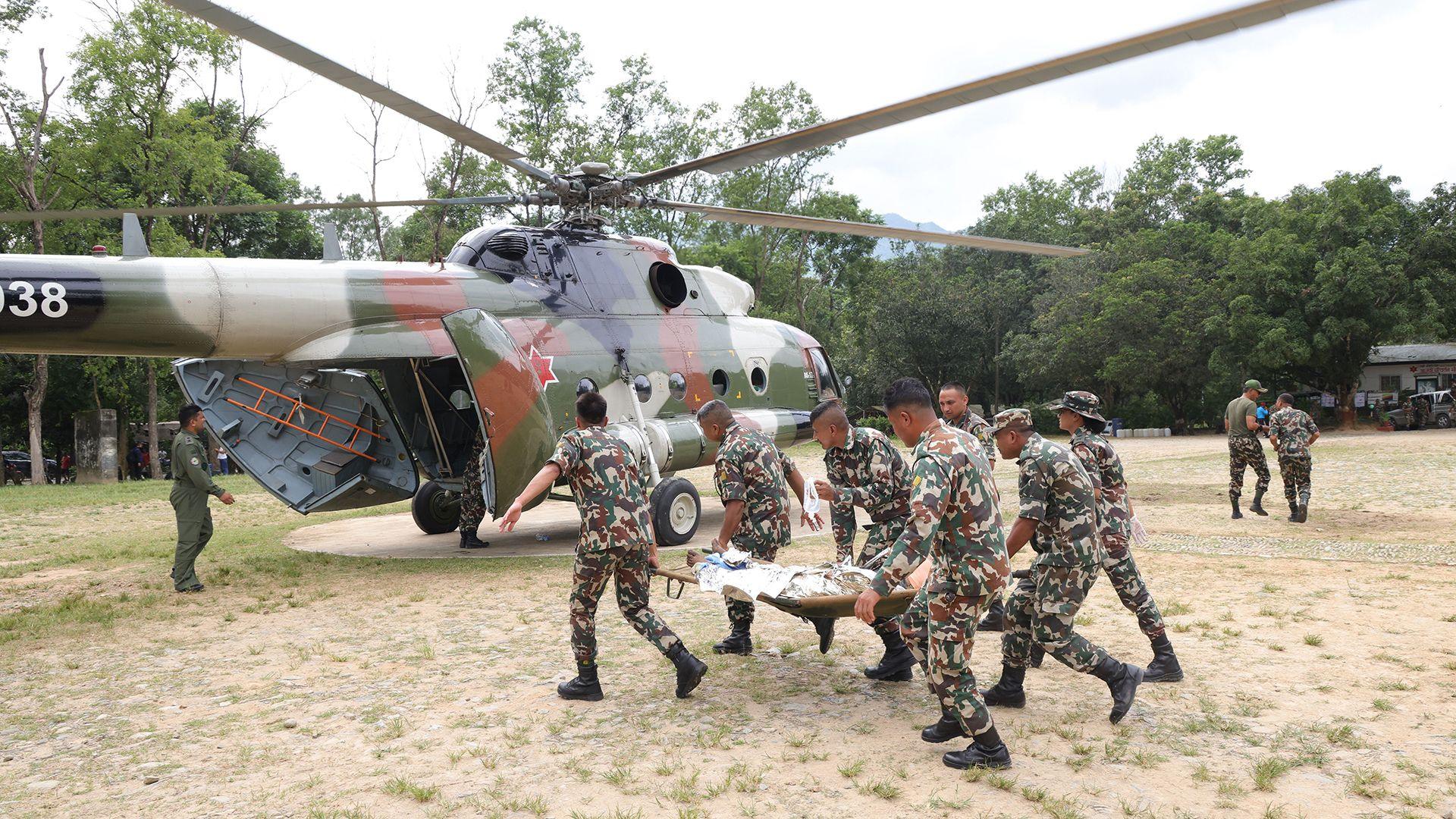
Army spokesperson Raja Ram Basnet said the tempo of rescue work was unchanged from the first day, stressing that they are searching on the ground, by air, and inside tunnels beneath hydropower stations where holes of missing workers still linger.
Australian tunnel rescuers have advised Nepali teams that simultaneous rescues at multiple sites can present diverse challenges. In recent days, four people were rescued—three from hydropower tunnels—and a 64‑year‑old woman was pulled from a mud‑buried home after ten days.
Foreign support from China recovered twelve bodies at the Nepal‑Tibet border, and the death toll there was reported at 31 with 531 missing. The overall missing count in Nepal remains above 5,000.

Oil lamps burn to mark the last day of the 13‑day Buddhist mourning ritual, Dhunge, Nuwakot district, Nepal, 7 September 2026.