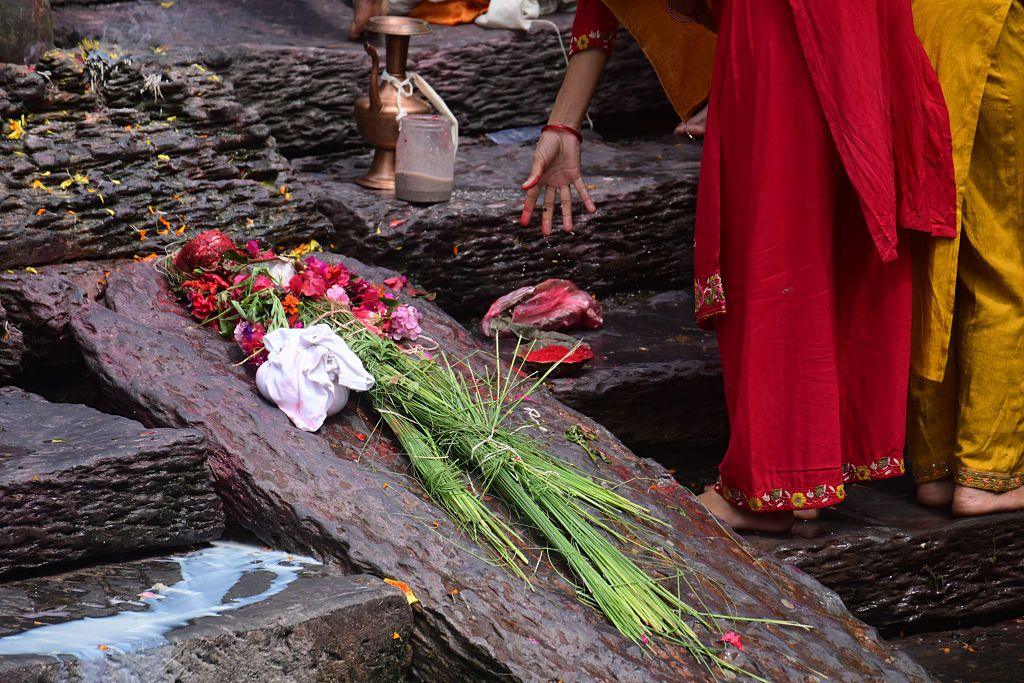
On the banks of the Bagmati River in Kathmandu, families gathered at the Pashupatinath temple to honour loved ones lost in last month’s flash flood that lashed the China‑Nepal border. Because bodies could not be recovered, devotees fashioned symbolic effigies from the sacred “Kusha” grass to perform the last rites. Yet the grief runs deeper: the flood left over 5,000 people missing and the Nepalese law only recognises a missing person as dead after a twelve‑year search.
Madan Lawat, a bus driver from Betrawati, survived because he was away from the village when the waters surged. Five of his relatives—including his brother who perished while warning neighbours—are still unaccounted for.
Without a death certificate, families cannot claim state compensation. Nepal offers up to 25,000 rupees for funeral costs and an additional 200,000 rupees for the first loss, plus 100,000 rupees for each further death, but only after a certificate is filed. The rule, rooted in a 1990 civil code, fails to consider modern realities where evidence can be transmitted instantly.
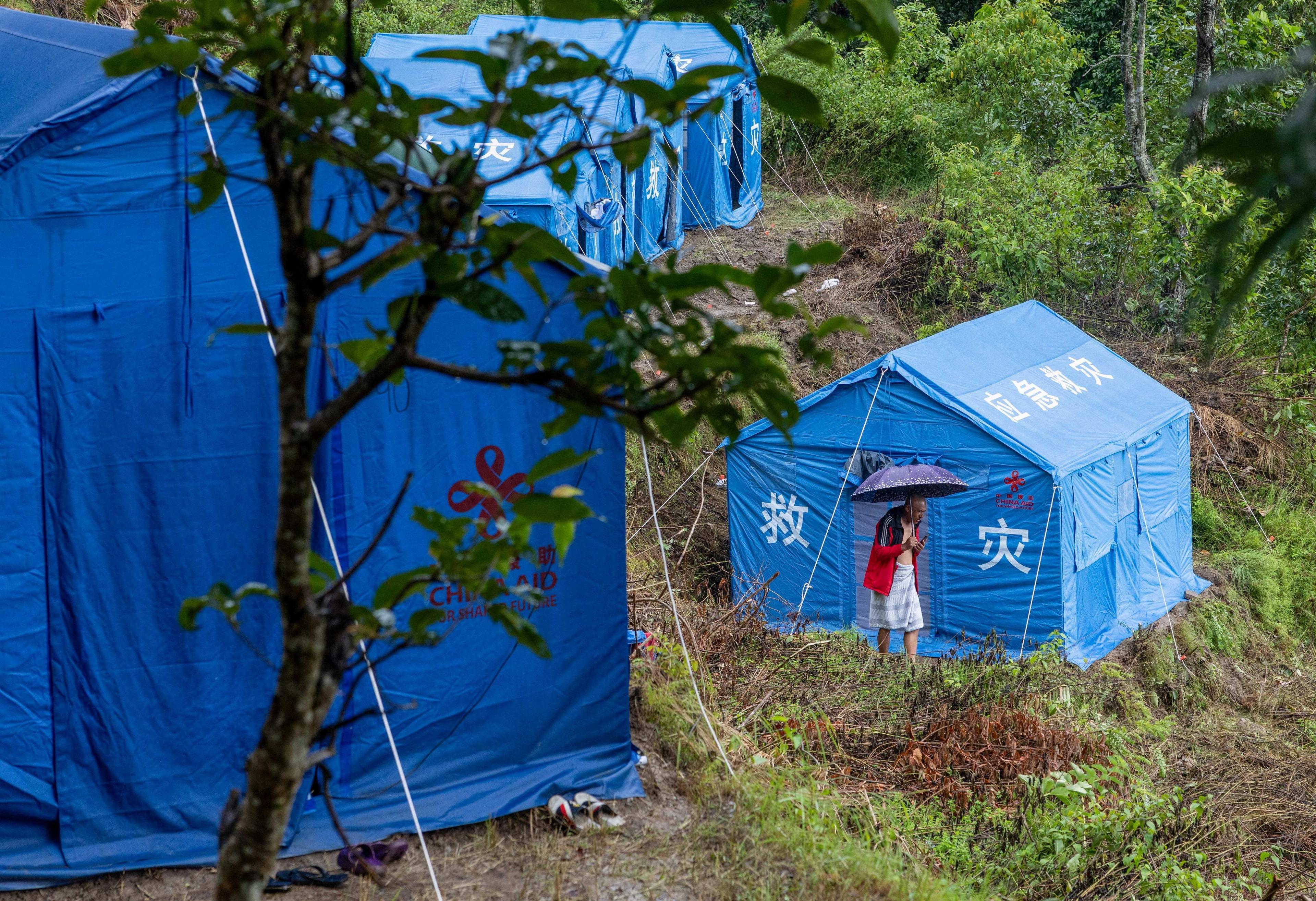
Local authorities have urged the federal government to amend the law, and the Prime Minister’s office has acknowledged the “exceptional circumstances.” Meanwhile, families like Tisum Ghale, who survived an earthquake in 2015 only to lose most relatives in the flood, have not yet received any compensation. Their homes were washed away, and they now live in displacement centres.
The reconstruction bill for the country could reach up to 3.6 billion pounds, underscoring how vital prompt legal relief is for the nation’s recovery. Nepal’s lawmakers face pressure to revise the law to allow death recognition in disaster contexts, so that bereaved families can move forward rather than wait a decade for closure.