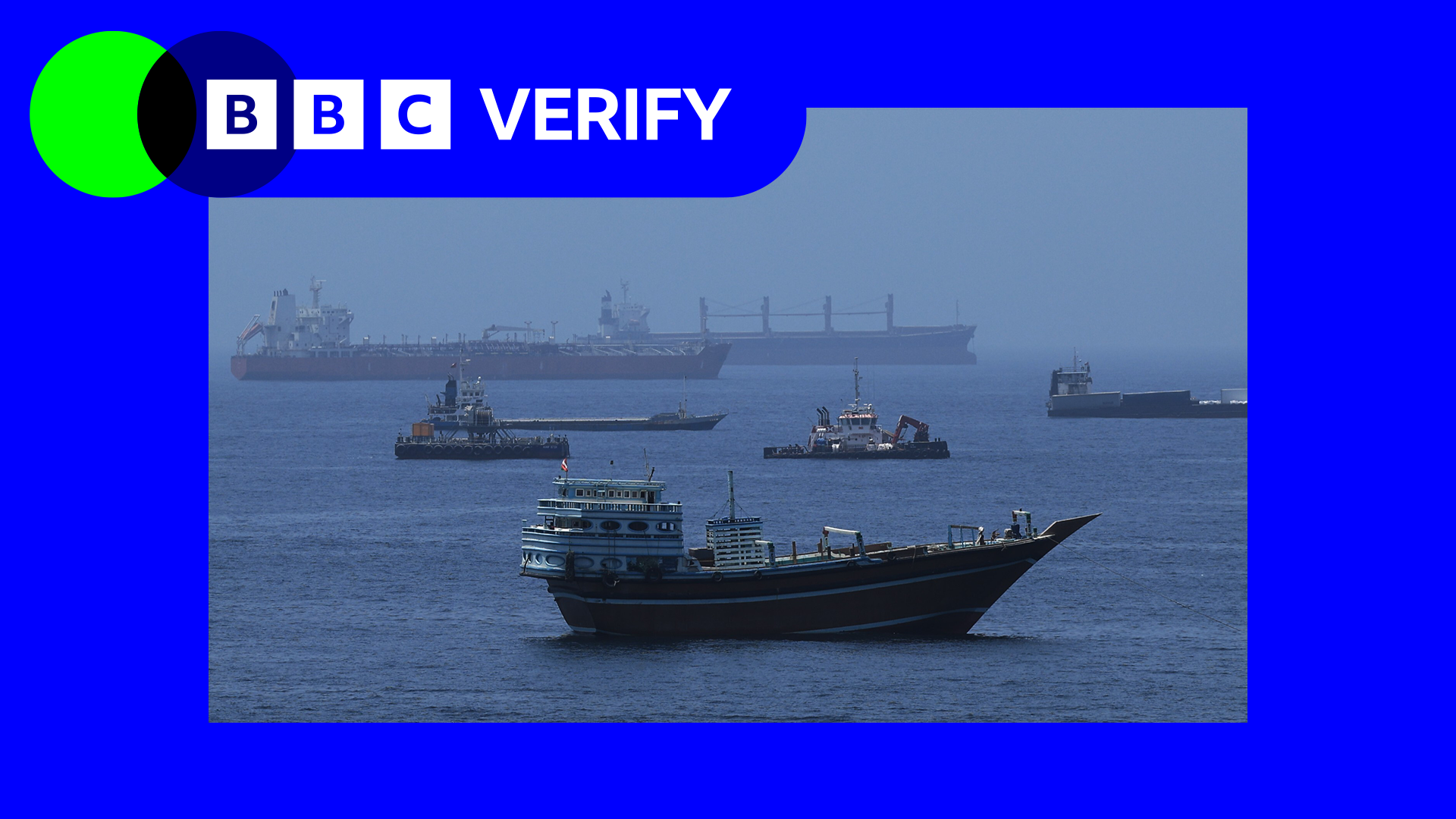
The Black Sea is littered with deadly weapons. But no one knows how many – or where they are.
When we approach it, we should be quiet, we should be slow – and we should be very accurate, says Vitalii, wiggling his hand in a snake-like motion, as he describes swimming through dark waters towards the explosive devices resting on the sea floor.
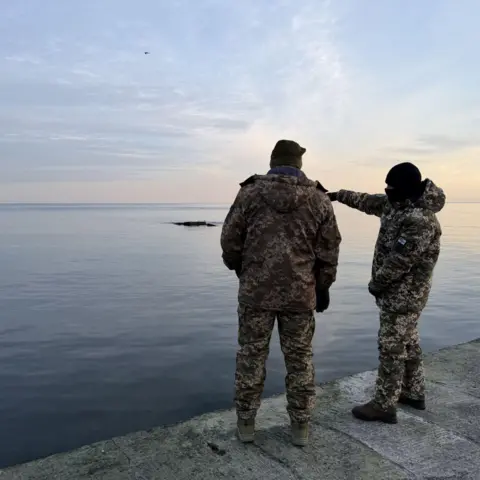
The tall, softly spoken 31-year-old Ukrainian Navy diver is part of a team of 20 tasked with de-mining areas of the Black Sea still under Ukraine's control.
Mines are some of the most insidious and long-lasting legacies of war. They remain active and deadly for decades, especially at sea where they can drift with currents and storms. The mines laid by Moscow at the start of the full-scale invasion pose a significant threat; tragically, last summer, three swimmers were killed by mines off the Odesa coast.
The commander of the navy's mine countermeasures group estimates the number of sea mines in the thousands. But these are not the only dangers lurking underwater. Missiles and artillery shells, remnants from the Kakhovka dam destruction, also present risks that could trigger chaos at any moment.
Despite the scale of contamination, sea traffic has not come to a halt, and many merchant ships continue to operate in the only active maritime export corridor out of Ukraine. Maintaining these routes is vital for Ukraine’s economy — maritime exports account for over two-thirds of its agricultural exports, valued roughly at $9 billion.
Keeping the shipping lanes viable depends heavily on neutralizing the threats beneath the surface. Mines and unexploded ordnance remain tools used by Russia to disrupt maritime traffic. Diver Vitalii states they have to approach each mine carefully, emphasizing the long hours required to ensure safety.
The meticulous process of identifying and neutralizing mines takes days and the constant threat from Russian military forces creates an intense and dangerous environment for these divers. Despite the odds, soldiers like Vitalii remain committed, driven by the critical need to secure safe passage for Ukraine’s commerce.
In the current situation, clearing the seabed in the Black Sea will take decades, but with every mission, they proceed forward, one careful step at a time.