In brief
After a catastrophic flash flood triggered by a glacial collapse, Nepal held a national day of mourning, lighting candles to close a 13‑day remembrance period. The government, with the president visiting the wrecked valleys, continued rescue operations that involve ground, air and tunnel teams. While the toll reached 1,287 deaths, more than 5,000 people remain missing, with hydropower tunnel workers still a focus of hope. The nation’s collective grief resonated in city streets and village homes, underscoring the toll of climate‑driven disasters on South‑Asian communities.
Nepal lit candles and lowered flags on Monday for a national day of mourning, closing a 13‑day Buddhist remembrance after a catastrophic flash flood.
Around 1,287 people were confirmed killed in the flood, and more than 5,000 remain missing, as rescue teams continue to sweep the valley between Nepal and Tibet.
The president toured the devastated villages, and government offices flew the flag at half‑mast. A candlelight vigil is planned for Monday evening.
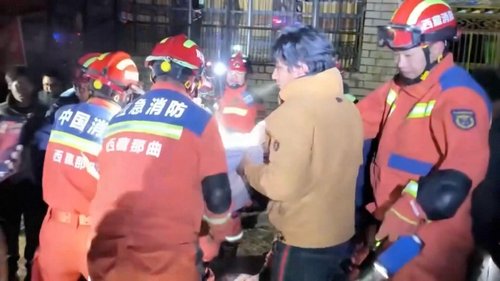
The Nepali army’s spokesperson said search and rescue keep the same tempo as on day one, focusing on ground, air and tunnel operations. Tens of hydropower station workers are missing; rescues in tunnels have saved four people so far.
A 64‑year‑old woman was pulled from a mud‑buried home in Nuwakot district, ten days after the flood, and airlifted to Kathmandu. Chinese teams recovered 12 bodies in the border region, with 531 still unaccounted for.
The tragedies underscore the vulnerability of the region’s hydropower infrastructure. The government and international partners urge stronger disaster preparedness as the country rebuilds.
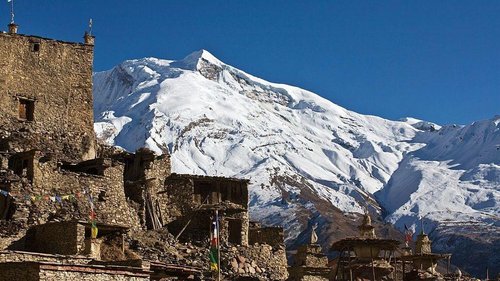
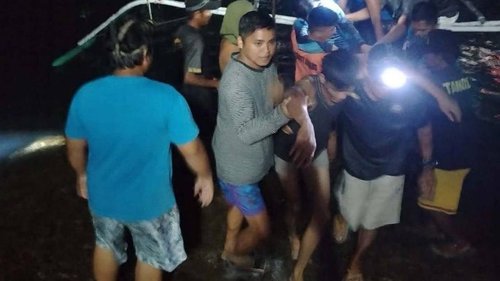
Images highlight the disaster’s toll: orange oil lamps marking the last day of mourning, a collapsed building in Dunge, and rescuers wading through flood waters.