In brief
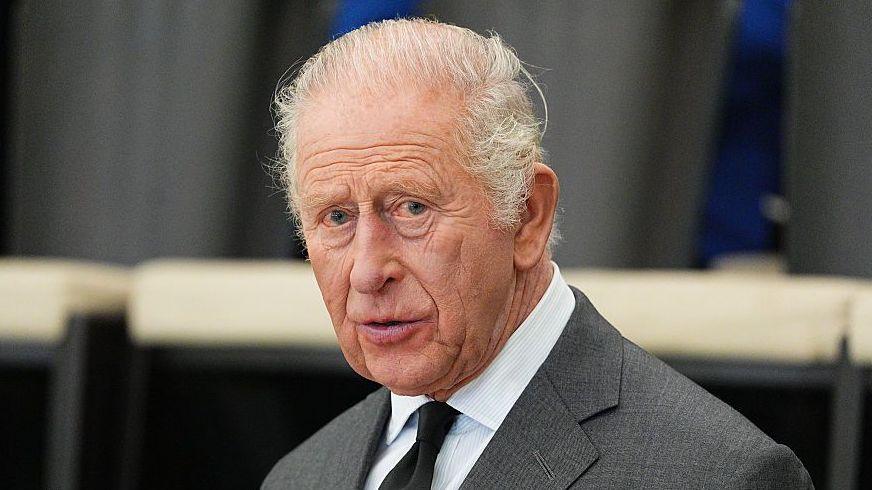
King Charles III is set to spend nine days sailing through the Bahamas, Guyana and Antigua and Barbuda, a tour that has sparked a backlash over the UK's historical role in slavery and the possibility of reparations. The monarch will deliver three speeches but is advised not to issue an official apology, a decision that has drawn criticism from historians and activists. Sir Anthony Seldon warned that the debate around slavery and reparations could become the biggest risk of Charles’ reign. The trip, which comes amid a busy schedule and the King's ongoing health concerns, will test the monarchy’s ability to navigate rising republican sentiments in the Caribbean.
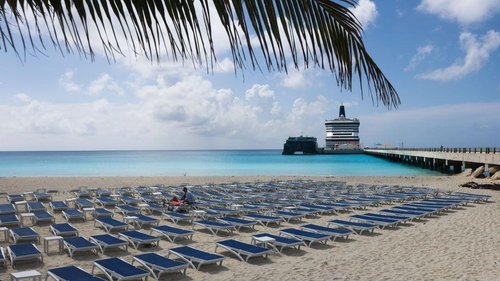
Royal tours are full of surprises, and this year King Charles III is heading to the Caribbean for a nine‑day visit to the Bahamas, Guyana and Antigua and Barbuda. The itinerary comes at a time when the kingdom’s past in the trans‑atlantic slave trade is under intense scrutiny.
Officials say the King will make three speeches but will not offer an official apology for Britain’s role in slavery – a decision that critics say puts the monarchy’s reputation at risk. Historian Sir Anthony Seldon warned that the debate over reparations and an apology could become “the biggest risk of his reign so far.”
The Caribbean leaders, who are keen on reform and in some cases on becoming republics, welcome the visit as a chance to strengthen ties over trade, energy and cultural links. Yet the conversation around reparative justice continues to dominate, with protests likely in the wake of the King’s arrival.
Last year’s tour by the Duke and Duchess of Cambridge faced criticism for ill‑timed gestures, and the 2026 trip aims to avoid similar missteps. The schedule is tight – 36 engagements in nine days, with the King juggling an ongoing cancer treatment and a birthday in October.
Queen Camilla will accompany him during the Antigua and Barbuda leg for the Commonwealth Heads of Government Meeting. The trip will test the monarchy’s ability to navigate amplified republicanism and historical accountability while celebrating its role in the Commonwealth.
Additional reporting by Felicity Baker.