In brief
Following the death of Yahya Sinwar, Hamas elected Khalil al-Hayya as its overall leader, a decision that came after a two‑round vote within a 69‑member electoral college. Al‑Hayya, who has survived multiple Israeli assassination attempts, represents the hard‑line faction that emerged from the severe Gaza conflict. The leadership change exposes a deep strategic divide within Hamas, as some members advocate for a more pragmatic political approach while others demand a firm stance against disarmament. With the Gaza war having killed tens of thousands and leaving the region devastated, the new leadership’s stance on peace negotiations will be crucial. This shift could shape the future trajectory of Hamas and the broader Israel‑Palestine conflict.
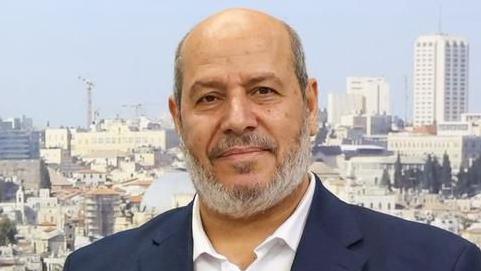
After the death of Yahya Sinwar, Hamas announced that Khalil al‑Hayya has been elected as its new overall leader. The decision followed a two‑round vote within the movement’s 69‑member electoral college, which required at least 36 votes to win outright.
Al‑Hayya, a senior political figure who has survived several Israeli air strikes—including a September 2025 attack in Doha that killed several of his family members—chairs the movement from exile. He is associated with the hard‑line wing that has emerged after the Gaza war, and his election has signalled a continued commitment to armed resistance combined with a push for a political path to Palestinian statehood.
The election exposed a sharp intra‑party divide. Khaled Meshaal, former chief of the political bureau, was the main rival in the run‑off. Meshaal’s supporters believed Hamas should learn from the war and accept a pragmatic, less confrontational approach, whereas al‑Hayya’s camp insisted on keeping the movement’s armed capability until the Palestinians receive full security guarantees and a political solution.
Israel, the United Kingdom, the United States and several other countries continue to designate Hamas as a terrorist organisation. The Gaza war, which has led to the deaths of more than 70,000 civilians in the territory, has left the region in ruins and the battlefield exhausted its leadership. The newly elected chief faces the daunting task of maintaining cohesion while navigating the complex terrain of cease‑fire agreements and international pressure to disarm.
Al‑Hayya’s election could have profound implications for future negotiations. In 2023, the movement launched an attack on Israel that resulted in 251 hostages and the loss of 1,200 lives, sparking the catastrophic military response that followed. The new leadership must decide whether to endure the continued cycle of violence or pursue a more tangible peace pathway, a choice that will shape both the immediate and long‑term prospects of the Israeli‑Palestinian conflict.