According to a new global analysis by WHO scientists, approximately seven million people’s cancer cases could be avoided each year. The report estimates that 37% of cancers are induced by infections, lifestyle choices, and environmental pollutants that can be addressed.
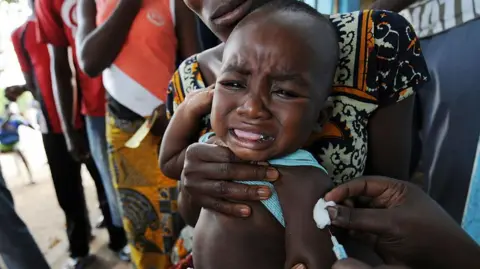
This includes cancers such as cervical cancer linked to human papilloma virus (HPV), for which vaccination is available, alongside various tumors attributed to tobacco smoke from cigarettes.
The researchers emphasized the powerful opportunity presented by this report, indicating that actionable steps could transform countless lives.
While some cancers are inevitable due to age-related DNA damage or inherited genetic risk, Dr. Isabelle Soerjomataram remarked that many people are surprised to learn that nearly four in ten cancers can be prevented.
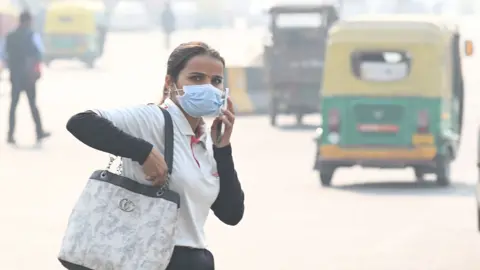
The International Agency for Research on Cancer evaluated 30 preventable risk factors, including smoking, ultraviolet (UV) radiation, obesity, and inadequate physical activity, which each contribute to heightened cancer risk. Air pollution has been linked to the awakening of dormant cancer cells.
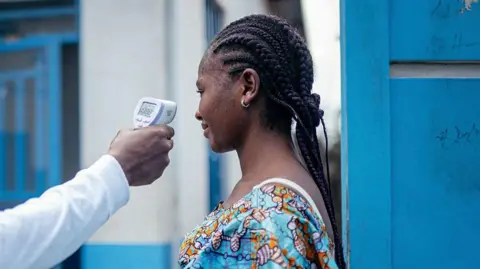
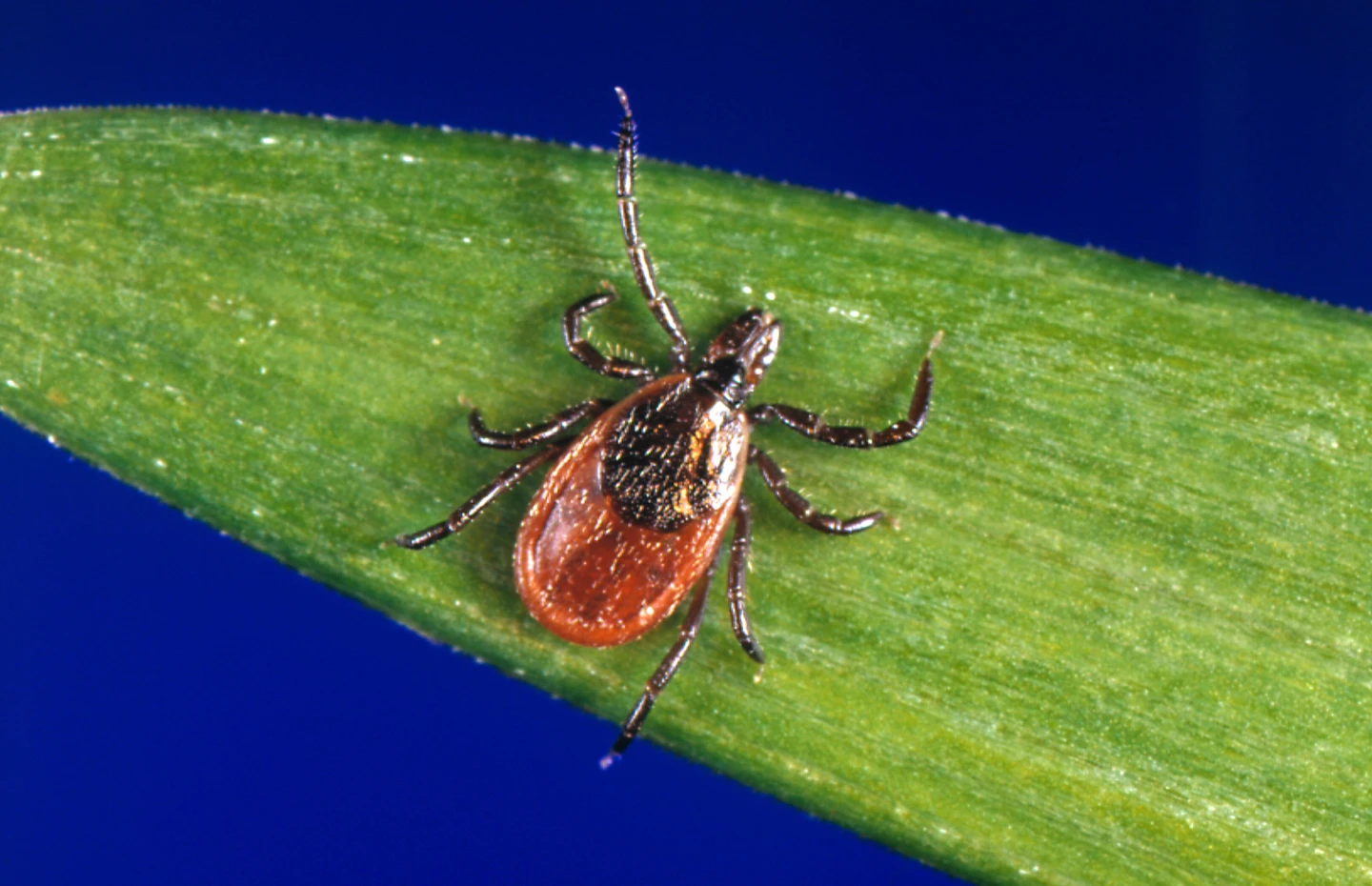
Infection-related risks were also a focus, highlighting nine cancer-causing infections including HPV and hepatitis viruses. The data analyzed incorporated cancer cases from 2022, examining preventable risk factors across 185 countries.
The report detailed that three significant contributors to over 18 million global cancer cases are:
- smoking tobacco, causing 3.3 million cancers
- infections, leading to 2.3 million cancers
- alcohol use, resulting in 700,000 cancers
Notably, the findings reveal that 45% of cancer cases in men are preventable, compared to 30% in women, reflecting men's higher smoking rates. In Europe, the leading causes of preventable cancer in women are smoking, infections, and obesity. Conversely, infections constitute nearly 80% of preventable cancers in women in sub-Saharan Africa.
Dr. Soerjomataram underlined the study’s unique approach, incorporating infectious causes alongside behavioral and environmental risks for the first time, and advocated for tailored solutions regionally. The report shows that lung cancer (associated with smoking and air pollution), stomach cancer (linked to H. pylori), and cervical cancer (related to HPV) account for nearly half of preventable cancer cases.
The lead for cancer control at WHO, Dr. Andre Ilbawi, expressed optimism, encouraging efforts to combat preventable cancers through successful policy implementations, like smoking regulations and HPV vaccination strategies.
As we improve our understanding, our goal is to minimize preventable cancers towards as close to zero as possible, he stated.