In brief
In a significant policy shift, the Trump administration's Environmental Protection Agency (EPA), led by Administrator Lee Zeldin, proposes to scrap the 'good neighbor' rule that limited smokestack emissions from industrial sites, allowing eight states to manage their own ozone pollution controls. Critics argue that this may exacerbate air quality issues in neighboring regions.
WASHINGTON (AP) — The Trump administration on Wednesday advanced its efforts toward rolling back a rule aimed at controlling air pollution emissions that impact neighboring states.
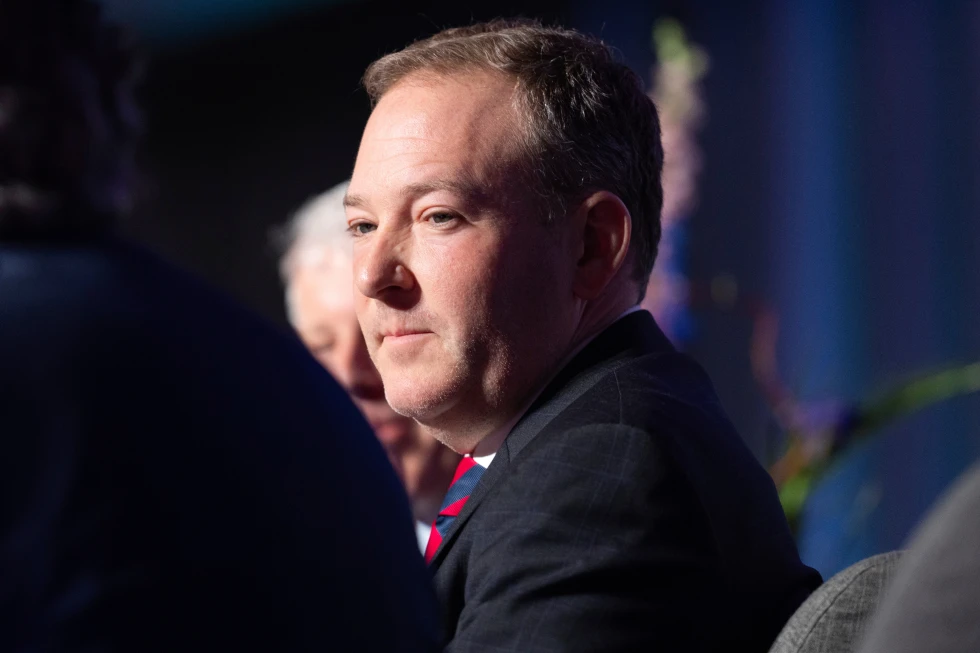
The so-called good neighbor rule is one of numerous regulations Environmental Protection Agency (EPA) Administrator Lee Zeldin has set his sights on for reconsideration or repeal. In a recent Supreme Court ruling, it was determined that the EPA could not enforce the rule designed to restrict pollution from coal-fired power plants and other industrial operations across state lines.
On Wednesday, the EPA stated it proposes to approve plans from eight states to independently regulate ozone pollution. Should this move be finalized, the states would no longer be subject to a federal Good Neighbor Plan. The affected states are Alabama, Arizona, Kentucky, Minnesota, Mississippi, Nevada, New Mexico, and Tennessee. Under the previous administration, plans submitted by these states faced disapproval for not adequately addressing cross-state ozone emissions.
Zeldin emphasized that the EPA is committed to a form of “cooperative federalism,” which allows states to determine their air pollution standards independently without federal intervention.
He remarked, “Today, we are taking a crucial step to revoke a Biden administration rule that disadvantaged our state partners.” If enacted, the EPA's initiative promises to enable states to pursue cleaner air regulations tailored to their specific needs.
Environmental advocates are expressing concern, arguing that the proposed changes would permit states to neglect their responsibilities, potentially worsening air quality in neighboring states. States like Indiana and Ohio, which are heavily industrialized, frequently contribute to pollution problems faced by states on the East Coast.
Zachary Fabish, an attorney for the Sierra Club, said, “Once again, Donald Trump and Lee Zeldin are opting to prioritize older, polluting coal plants over enforcing necessary federal clean air standards that tackle emissions affecting neighboring states.”
Following the publication of this proposed rule in the Federal Register, the EPA will accept public comments for at least 30 days.