
In brief
Manhattan prosecutors have decided to retry Pedro Hernandez for the alleged murder and kidnapping of Etan Patz, a six-year-old boy who went missing in 1979. A recent federal appeals court ruling overturned Hernandez’s previous conviction. The upcoming trial will see prosecutors attempt to build a case from evidence gathered over decades, while Hernandez's defense team vows to maintain his innocence. The retrial must begin by June 1, or Hernandez will be released from prison.
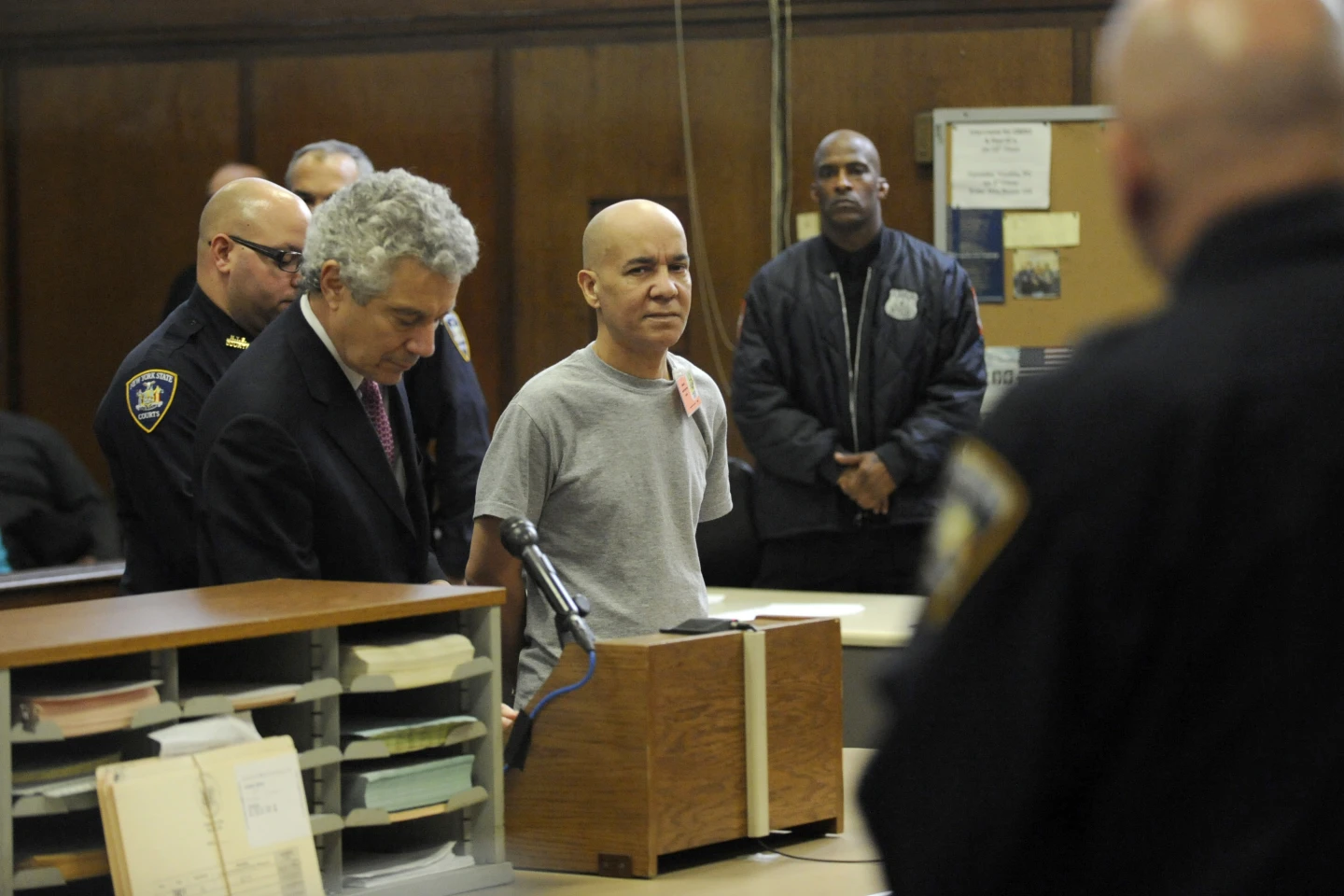
NEW YORK (AP) — A notorious 1979 missing-child case will go to trial a third time following New York prosecutors' announcement to retry Pedro Hernandez, whose conviction was recently overturned in connection with the disappearance of six-year-old Etan Patz.
After years of ambiguity surrounding the case, the Manhattan District Attorney's office explained that they are committed to prosecuting Hernandez for murder and kidnapping, armed with a fresh review of evidence and the necessary witness testimonies.
“We are deeply disappointed in this decision as we remain convinced that Mr. Hernandez is an innocent man. But we will be prepared for trial and will present an even stronger defense,” stated Hernandez’s legal team.
The legal proceedings surrounding Hernandez are subject to a federal deadline; jury selection must occur before June 1, or he could be released from incarceration.
Hernandez, now aged 64, was a local convenience store employee when Etan vanished on May 25, 1979. It was the first day his mother allowed him to walk alone to the bus stop. His body was never recovered.
The tragic case sparked nationwide concern over child disappearances and is credited with fostering initiatives like a national missing children's hotline. Patz was among the first children to appear on milk cartons, transforming public awareness about child safety.
Authorities did not identify Hernandez as a suspect until decades later, after he made inconsistent confessions about having killed a boy years earlier. In 2012, he stated he had strangled Etan after luring him into the store.
Despite the lack of physical evidence, his recorded confession held considerable weight. However, Hernandez's team has alleged that his mental health issues resulted in a false confession under duress.
His initial trial in 2017 resulted in a hung jury, but he was later convicted and sentenced to 25 years to life. A recent federal appeals decision claimed that the jurors were improperly guided on how to handle his confessions, thus paving the way for this retrial.

