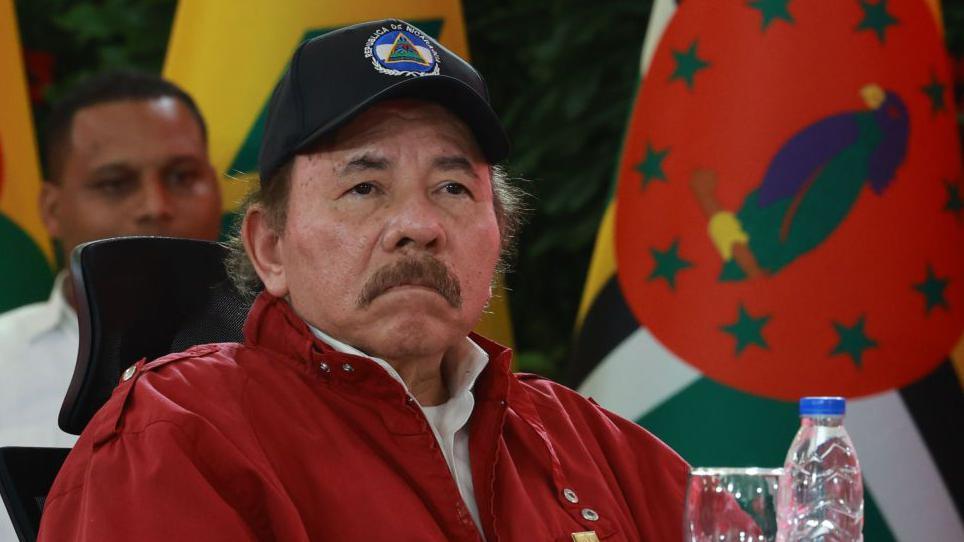
President Daniel Ortega proposes extending his term by one year as part of a larger constitutional reform aimed at limiting opposition participation in Nicaraguan politics.
The proposal will be presented to the National Assembly, whose membership is largely aligned with Ortega’s party. If approved in September, the new term length would extend the current six‑year cycle to seven years.
The reform also seeks to ban opposition figures who the government calls "traitors" or "coup plotters" from running for office, a move that critics say further erodes democratic safeguards.
Ortega has been in power since 2007, and his administration has been repeatedly criticised for increasingly authoritarian practices: jailing political opponents, forcing them into exile, and stripping citizenships.
In 2014, the Assembly removed presidential term limits, and in 2024 changed the term from five to six years. The body previously approved the declaration that Ortega’s wife, Rosario Murillo, could act as co‑president and stand in if he is deemed permanently absent.
Extending the term would continue a trend of extending power and consolidating control, further limiting the possibility of political change in Nicaragua.