
In brief
Sae Joon Park, a U.S. Army veteran, was ordered deported after years of living in the U.S. despite his military service. His story underscores the plight of veterans at risk due to shifting immigration policies under both the Trump and Biden administrations. Military experts warn that these policies negatively impact not only veterans but also military recruiting and national security. As deportations continue, veterans find themselves navigating a harsh reality far from the country they served. Advocates push for legislative measures to protect immigrant service members and their families.
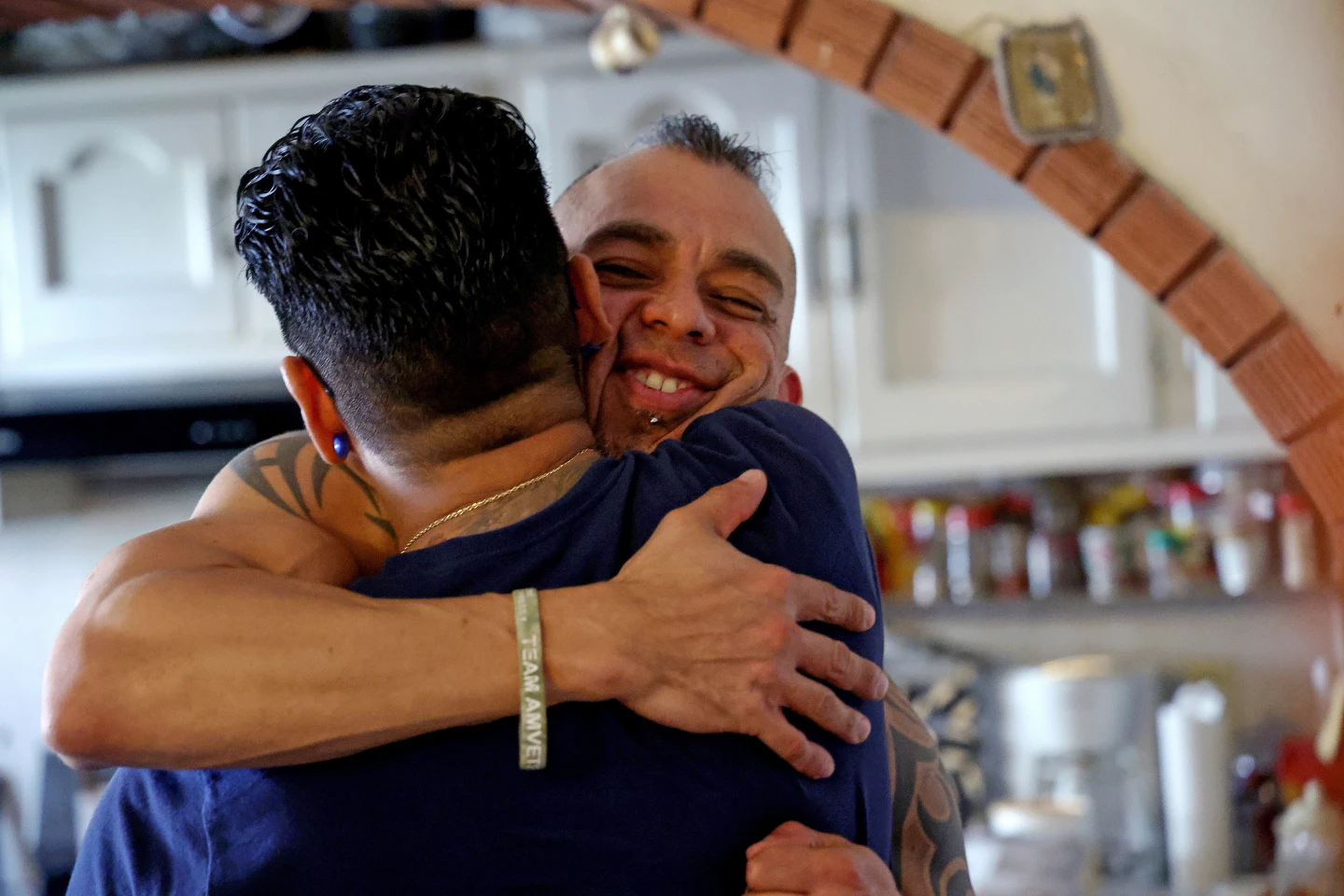
In the lead-up to the 2024 presidential election, the story of Sae Joon Park, a U.S. Army veteran, raises serious questions about the treatment of immigrant service members in the U.S. After coming to the U.S. from South Korea as a child and serving valiantly in the military, Park faced deportation due to a past drug charge, despite being awarded the Purple Heart in service.
For 14 years, Park lived in the U.S. under a deferred action status, attending annual immigration check-ins while raising his family in Honolulu. However, during a routine appointment, he discovered a removal order against him, leading to his decision to self-deport rather than face an extended detention.
Park emphasized the irony of serving America, stating, “They allowed me to join, serve the country – front line, taking bullets for this country. That should mean something.” Yet, like many other veterans, he feels the system has failed him.
During Donald Trump’s administration, veterans like Park found themselves under intensified scrutiny regarding immigration, as measures were enacted to undermine protections for military personnel from deportation. Political shifts have continued, with recent policies from the Biden administration also restructuring enforcement priorities in this realm.
Current policies have resulted in confusing situations where military service does not guarantee immunity from deportation. Retired military officials express concern that mass deportations threaten military recruiting efforts and compromise national security.
Legislative efforts are underway, with lawmakers advocating for bills intended to protect immigrant veterans and their families, yet the path remains uncertain. While some veterans are finding their footing abroad, others, like Park, are struggling to adjust to life far from the only home they've known.
Efforts to mobilize support for Park continue, with petitions circulating and public backing growing. However, he remains disheartened about his prospects for returning to a country he once devoted his life to defending.

