Optogenetics: The Breakover That Earned a Nobel Prize
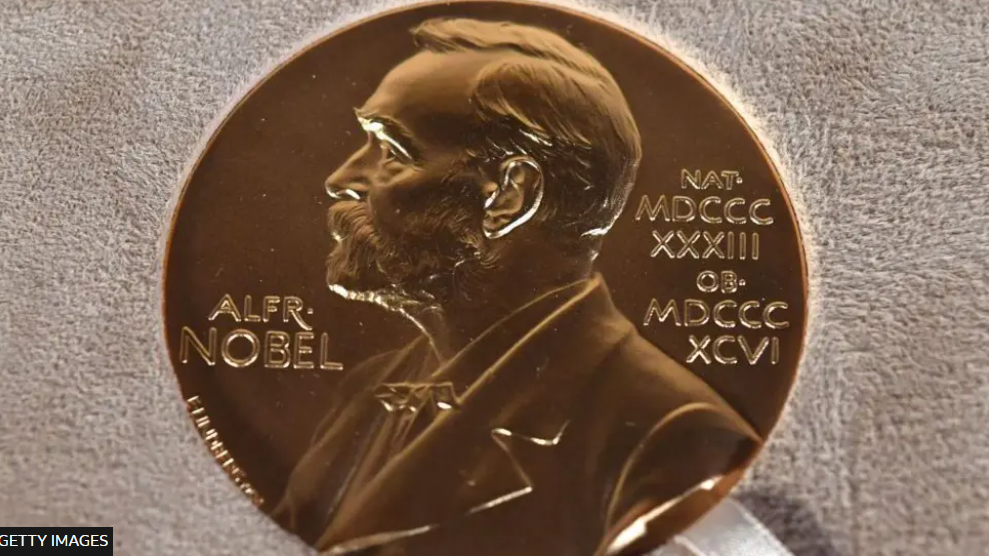
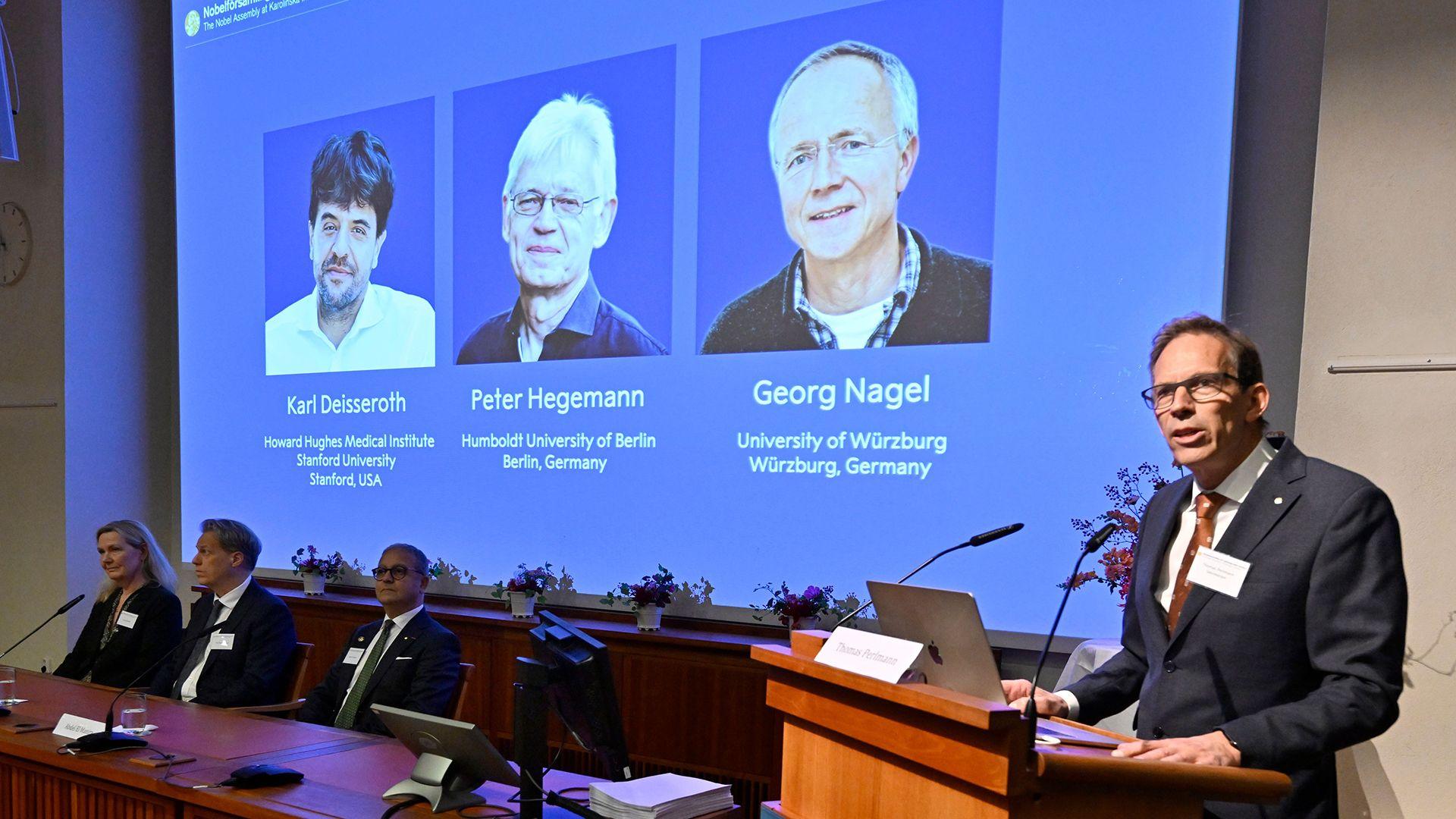
On 5 October 2026 the Nobel Committee announced its Prize in Physiology or Medicine, awarding it jointly to US psychiatrist and neurologist Karl Deisseroth and his German colleagues Peter Hegemann and Georg Nagel for pioneering optogenetics.
Optogenetics uses a protein taken from algae that enables scientists to control the electrical activity of brain cells with light, allowing them to switch specific neural circuits on and off.
The trio’s work has revealed how memories, feelings and behaviours arise from the complex web of neuronal activity, and has laid the groundwork for new treatments for psychiatric and neurological disorders.
What Is Optogenetics?
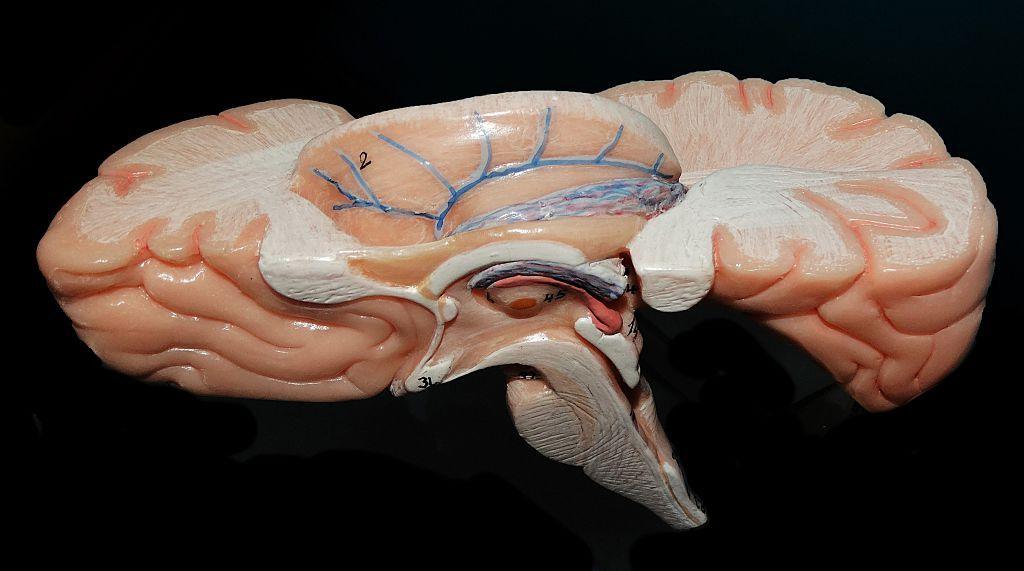
According to chair of the Nobel Committee for Physiology or Medicine, Per Svenningsson, optogenetics provides a way to map the brain in ways previously only dreamed of. Using a light‑sensitive protein, researchers can illuminate and manipulate distinct pathways in animal brains, uncovering the roles of individual cells in behaviours and diseases.
From Light to Vision
In clinical trials, optogenetics has already shown promise in restoring vision for people who have lost sight from retinitis pigmentosa. By inserting the light‑controlled protein into the damaged part of the eye and using special glasses to shine light, patients can regain limited visual perception.
The Nobel Assembly called the discovery “absolutely wonderful,” noting that it opens a new chapter for translating fundamental science into therapies that can touch everyday lives.
The three laureates will share the award and a prize money of £900,000 (12 million Swedish kronor). For more on the Nobel Prize and its past winners, visit NobelPrize.org.