
In brief
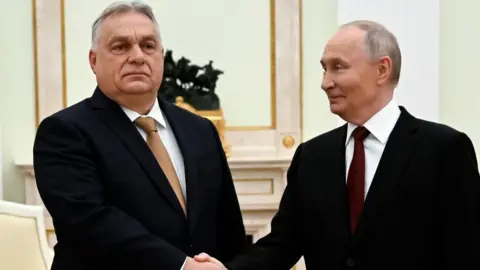
In a recent meeting in Moscow, Hungarian Prime Minister Viktor Orban solidified his status as a prominent ally of Vladimir Putin, discussing potential peace talks amid ongoing tension in Ukraine. This diplomatic move has drawn criticism from NATO and EU nations as Orban pushes for Hungary's energy security and positions himself ahead of April elections. The meeting coincides with debates over proposed Russian-US talks aimed at ending hostilities in Ukraine, which Orban supports as part of his strategy to maintain crucial energy supplies from Russia amidst pressure to cut imports.
Hungarian Prime Minister Viktor Orban has met President Vladimir Putin in Moscow, just days ahead of Russian discussions regarding a US initiative to bring an end to the conflict in Ukraine.
Orban, often seen as one of Putin's closest allies in Europe, has consistently troubled NATO and EU allies with his approach, which is perceived as undermining collective resistance against Russia.
During their meeting, Putin acknowledged Orban's balanced views on the Ukraine situation, stating, We are aware of your balanced position on the situation in Ukraine. Furthermore, he expressed gratitude for Orban's suggestion to host a potential Russia-US summit in Budapest.
These discussions around a Budapest peace summit had been previously shelved due to reported inflexibility from the Russian side concerning Putin's demands for the resolution of the conflict.
Orban's Fidesz party is gearing up for parliamentary elections in April, and polls indicate that the party could face a defeat for the first time in 15 years. Hosting a high-profile summit could significantly boost his electoral prospects.
Previously visiting Moscow in July 2024, Orban has challenged EU efforts to cease imports of Russian oil and gas, framing his latest visit as part of a strategy to ensure energy supplies for Hungary, Slovakia, and Serbia this winter.
During his trip to Washington earlier this month, he managed to secure exemptions from US sanctions on Russian fuel, contingent on him maintaining his position in power.
After Russia's full-scale invasion of Ukraine in 2022, Orban has maintained a stance promoting peace and criticized EU leaders for their hardline approaches.
He has expressed support for Trump's 28-point peace proposal, with his administration and aligned media accusing EU heads of warmongering for seeking alterations to the plan. Alongside Putin, key Russian officials, including Putin aide Yuri Ushakov, were present in discussions.
This week, Orban called for immediate and unconditioned peace talks in a letter to European Commission President Ursula von der Leyen, opposing further EU funding for Ukraine and the use of frozen Russian assets for its defense.
With limited willingness for compromise from Russia on territorial claims in Ukraine, Orban is now focusing on important energy partnerships. Recent agreements made in Washington point towards significantly lesser dependence on Russian fuels for Hungary.
Hungary finds itself under EU pressure to end all Russian energy imports by 2027, while it currently relies on Russia for over 80% of its oil and gas supply. Given the mutual interests of Orban and Putin, there's potential for a beneficial deal in Moscow.
Putin has previously indicated support for Orban's political comeback in Hungary, implying that a diplomatic success for Orban would align with both leaders' interests.
