Something in Europe has snapped.
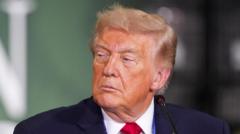
Donald Trump doubled down again on Monday night in his insistence that the US has to have Greenland for national security reasons. He predicted that Europe's leaders aren't gonna push back too much. But that's not the plan they have in mind when their paths cross with the US president at the World Economic Forum (WEF) on Wednesday.
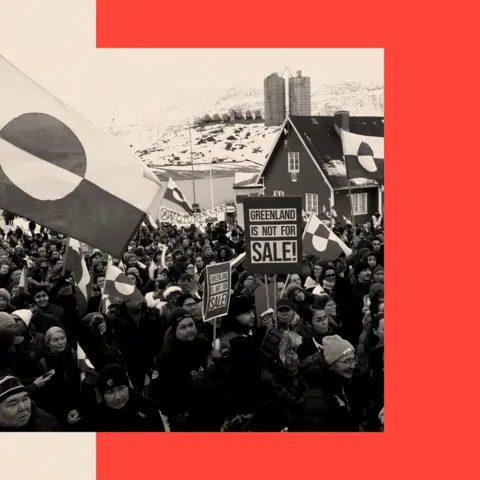
Greenland is a semi-autonomous territory of Denmark - a member of the EU and of Nato. President Trump is now leaning heavily on Denmark's allies in both those organisations to abandon Copenhagen and let the US take control of Greenland, or face punitive taxes on all their exports to the United States. It's a horror scenario for European economies, which are already in the doldrums, especially those reliant on exporting to the US like Germany's car industry and Italy's luxury goods market.
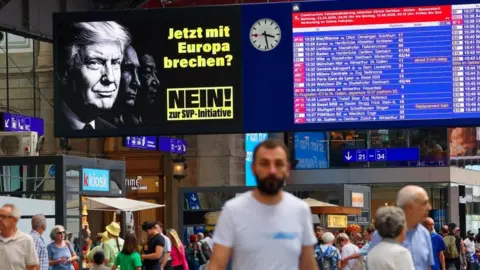
This confrontation has stirred strong reactions among European leaders. Germany's finance minister stated, “we will not allow ourselves to be blackmailed,” and pointed out the shock of facing threats from an ally. Similarly, French Finance Minister Roland Lescure voiced concerns about a faithful ally resorting to tariffs as weapons in geopolitical negotiations.
In response, European nations are developing a mixed strategy of diplomacy and potential tariffs against the US. The EU is weighing the imposition of €93 billion worth of tariffs on US goods or restricting access for American businesses in a bid to deter Trump's approach.
As the WEF approaches, European leaders are aiming to support Arctic security while conveying a strong message that they will not tolerate aggressive actions regarding Greenland.
Amid these rising tensions, the future landscape of transatlantic relations remains uncertain. Adjustments in EU diplomacy may be necessary in response to Trump's unpredictable maneuvers, especially considering the continent's reliance on the US for security guarantees amidst ongoing issues like the Ukraine conflict.