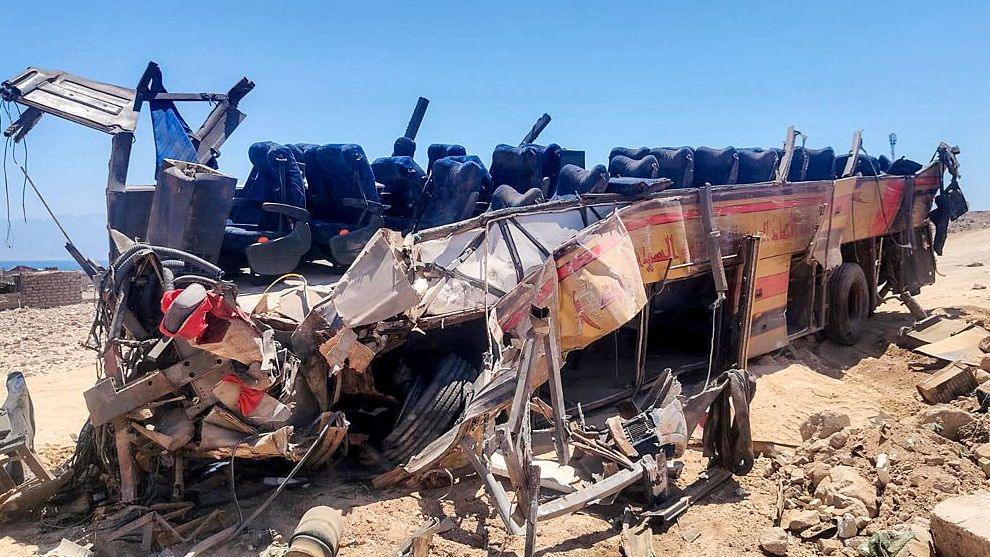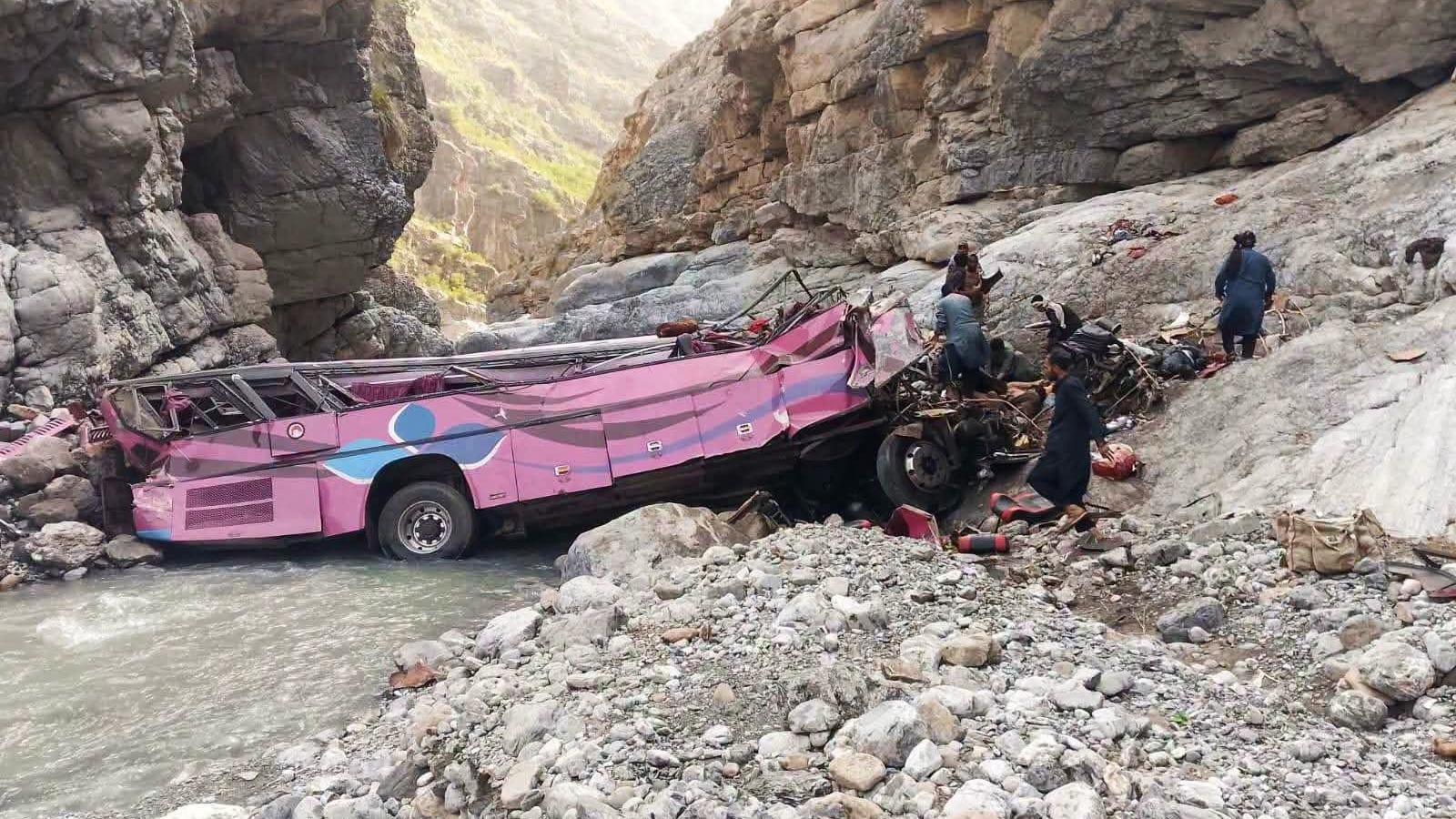
South‑western Pakistan faced a tragic transport disaster this Friday when an overcrowded bus plunged into a ravine, killing at least 32 people and leaving 16 wounded.
The vehicle was traveling from Quetta to Peshawar along the Dana Sar mountain range, where it lost control and skidded off the cliff about 70 to 80 feet (21‑24 meters) deep. Government officials reported that 48 passengers—many women and children—were aboard the bus at the time of the crash.
Initial investigations point to a steering failure that may have caused the driver to lose control, though the exact circumstances remain under scrutiny. Rescue teams, hampered by the rugged terrain, arrived quickly but were still challenged by the damaged bus and the distance to the nearest medical facility.
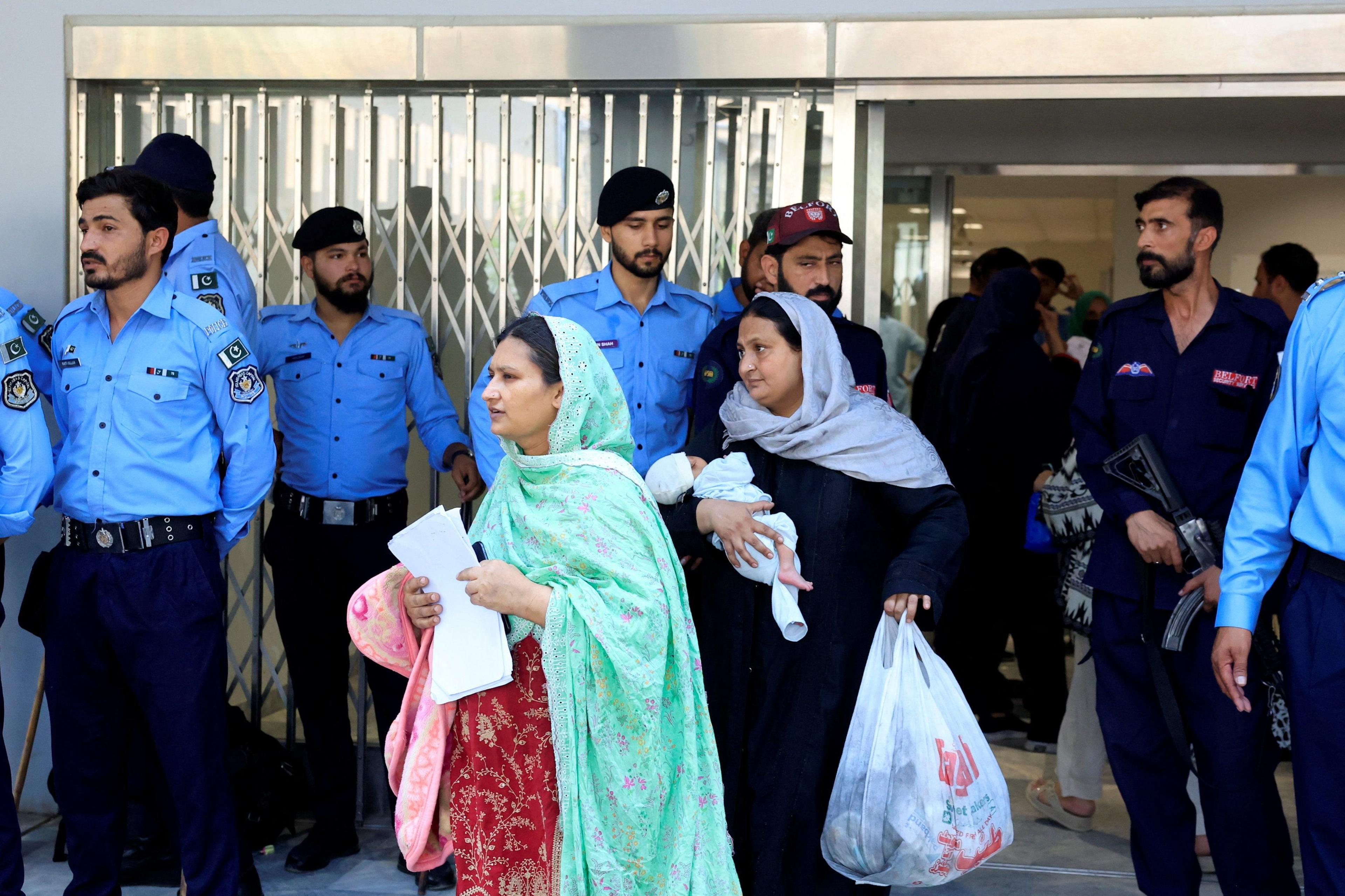
Ambulances transported the injured to the District Headquarters hospital in Zhob, some 68 kilometres (42 miles) from the incident, while bodies were to be identified and returned to their families by ambulance.
Officials noted the bus had been overloaded after taking on additional passengers from a separate vehicle that had broken down. Pakistan’s transportation safety regulators emphasize that overcrowding and vehicle neglect contribute to many fatal accidents on the country’s roads.
The tragedy received widespread mourning from the national leadership: President Asif Ali Zardari, Prime Minister Shehbaz Sharif, and Chief Minister Sarfraz Bugti all expressed sorrow, with Bugti calling for an urgent inquiry into the incident and offering assurances of immediate medical support for the wounded.
Such incidents highlight persistent concerns about road safety across Pakistan, where reckless driving, inadequate road maintenance and vehicle overloading frequently lead to fatal outcomes. Earlier in 2024 an unrelated bus crash claimed 17 lives during a voyage to Balochistan for Eid celebrations, reinforcing the urgent need for systemic reforms.