Peru's Tight Presidential Race: Insecurity and Instability at the Forefront
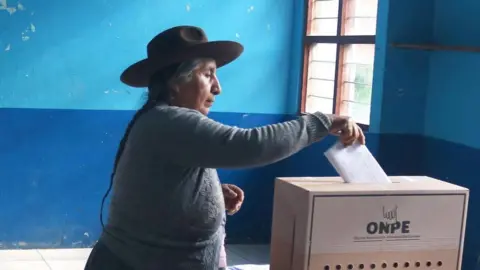
In the lead-up to Peru's presidential election, voters are more concerned about crime and insecurity than economic policy. The country's political instability, with eight presidents in the last decade, has left citizens frustrated and fearful.
A Bus Driver's Nightmare
If you don't meet our demands, we will kill your drivers.
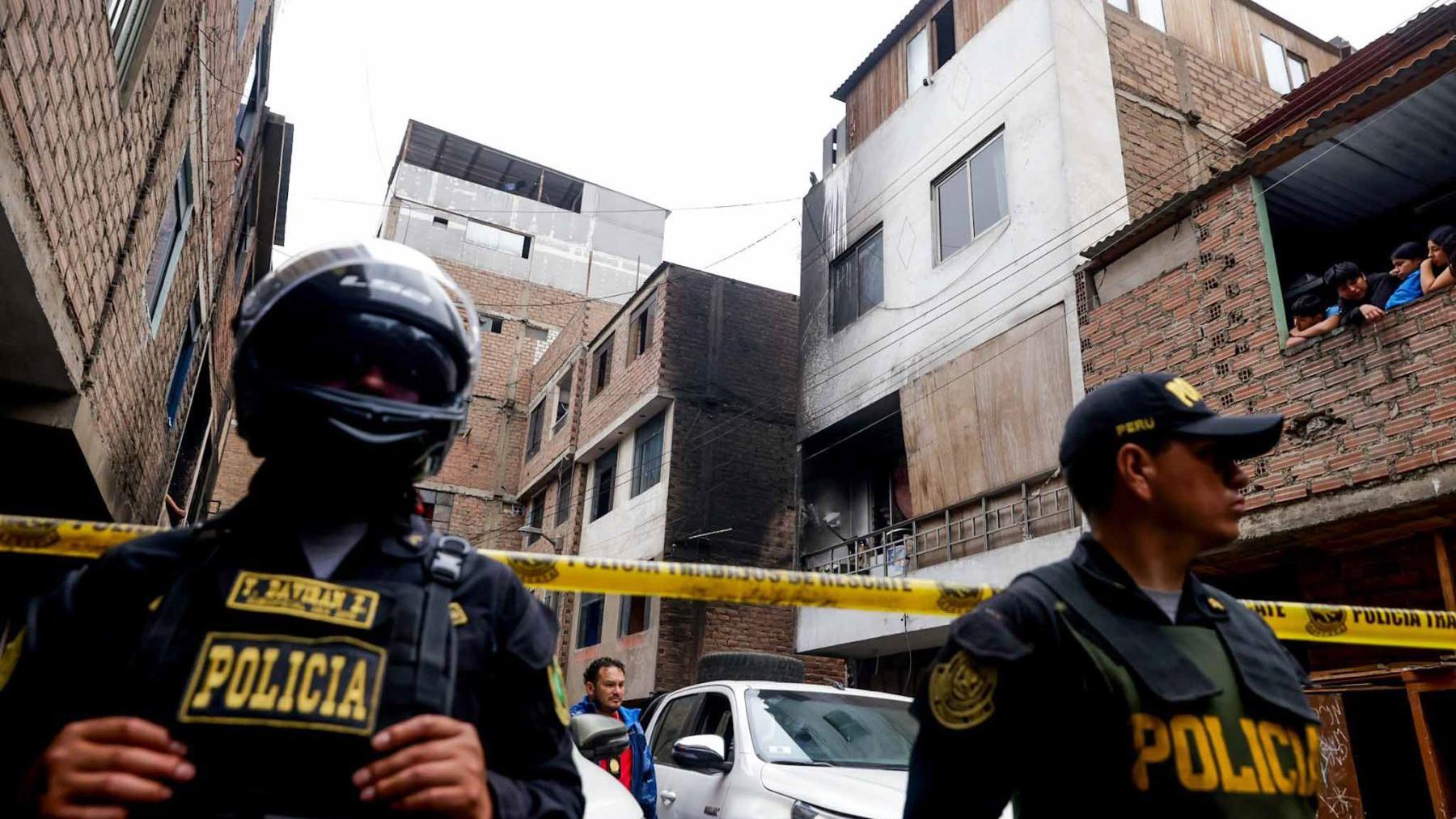
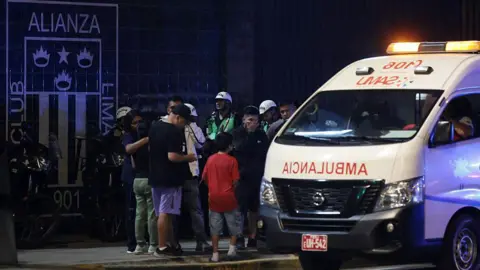
This chilling message, demanding about $15,000, was sent by a criminal gang to a bus company in Lima's poor San Juan de Lurigancho suburb. It preceded an armed attack on bus driver Toño, who was shot in the legs and abdomen by extortionists demanding money.
Toño's case is one of nearly 30,000 extortion incidents reported in Peru in 2025, many targeting small businesses or transport workers. I was out of work for four months, now I work with fear. Although my wounds are dry, internally I feel pain, he says.
The Election Context
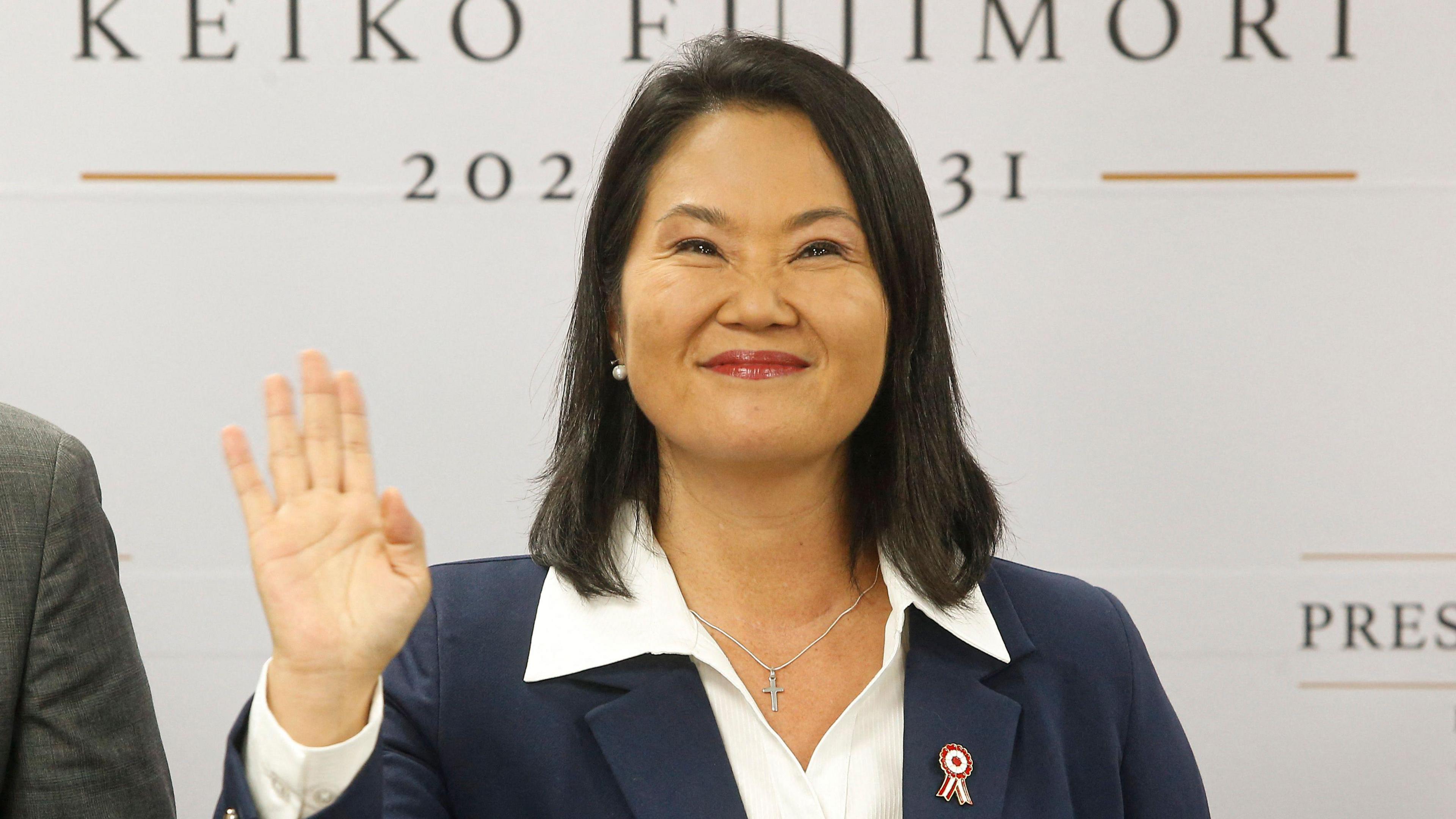
The right-wing Keiko Fujimori, daughter of the late former president Alberto Fujimori, is running for a fourth time against left-wing Roberto Sánchez. Fujimori has defined her campaign with tough-on-crime policies, while Sánchez promises sweeping changes to the state and higher public spending.
In Lima's San Juan de Lurigancho, dusty hilltop neighbourhoods sprawl precariously down the slopes. Armed police guard the gate to the bus depot where Toño works. They say this is Lima's worst district for extortion.
Toño, who now drives with plain-clothed armed police on board for his protection, wants whoever the next president is to have a strong hand against crime. According to an independent observatory of crime and violence, 239 drivers were killed last year.
Fujimori's Campaign Promises
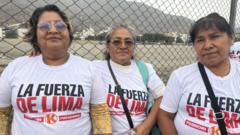
At her final campaign rallies, Fujimori declared war on extortionists, promising to deploy the military against organized crime, control prisons, and work with financial institutions to block extorted money.
She's invoked the memory of her father, Alberto Fujimori - president from 1990-2000 - whose hardline approach resulted in him being jailed for human rights abuses. His supporters, though, remember him for bringing order to the country and stabilising the economy.
Economic Stability vs. Political Instability
Despite having churned through eight presidents in the last 10 years, Peru's economy has remained relatively stable. It is a major exporter of critical minerals and metals such as copper.
Fujimori's supporters pit her free market approach to the economy and pledge to attract more US investment against Sánchez's proposals to review mining contracts, increase some corporate taxes, raise the minimum wage and give the state more control over natural resources – ideas that have unsettled financial markets.
He argues Peru's wealth originating from its natural resources doesn't reach ordinary people or the often rural communities where a lot of mining takes place.
Sánchez's Left-Wing Vision
His supporters, such as María Elena Linares, disagree that his policies will bring economic instability.
We are going to nationalise, but we are also going to accept foreign countries that want to contribute to our country. Don't believe this negative idea that communism throws out foreign investors – they're grossly wrong, she insists.
Our raw material, our gold, our copper, goes to other countries... we are experiencing misery.
A Generation Frustrated by Politics
No party has a majority in Peru's congress, which has led to regular presidential impeachments, though Fujimori's party has the largest minority bloc.
Many Peruvians are fatigued by this instability. Last year, Gen Z protests erupted, with young people arguing the state was failing to tackle crime, corruption and inequality.
Under-30s make up about a quarter of Peru's electorate, and many who protested feel neither candidate can deliver real change. Consuelo, 21, vice-president of the student federation of Peru's Pontifical Catholic University, cites political exhaustion with the political class.
She feels deciding between the final two options in Sunday's vote is like choosing the lesser evil. However, she is concerned about Fujimori's pledge to replicate some of her father's policies.
To talk about Fujimorism is to talk about authoritarianism, and that is something that for many students represents an enormous fear.
The Election Dilemma
With no majority party in congress and two candidates at very different ends of the political spectrum, many analysts think this is still a long way off. José Luis Pérez Guadalupe, interior minister from 2015-16 and professor at the Pacific University, says great polarisation means whoever wins, it's going to be difficult for them to implement their plans.
We've had eight presidents in 10 years, 24 justice ministers, 32 interior ministers. That's high volatility.
It's no surprise then that many Peruvians share Consuelo's frustrated verdict: Whether Fujimori wins, or Sánchez wins, we know there will most likely be a lot of instability.
In reality, it's a pretty hopeless choice.
Related Stories
Peru election drags into second day after ballot delivery fiasco
2 days ago
Peru names eighth president in a decade after incumbent's ouster
4 days ago
This article was written by an AI model to provide a comprehensive summary of the provided news article. The original article was produced by the BBC and can be found here.