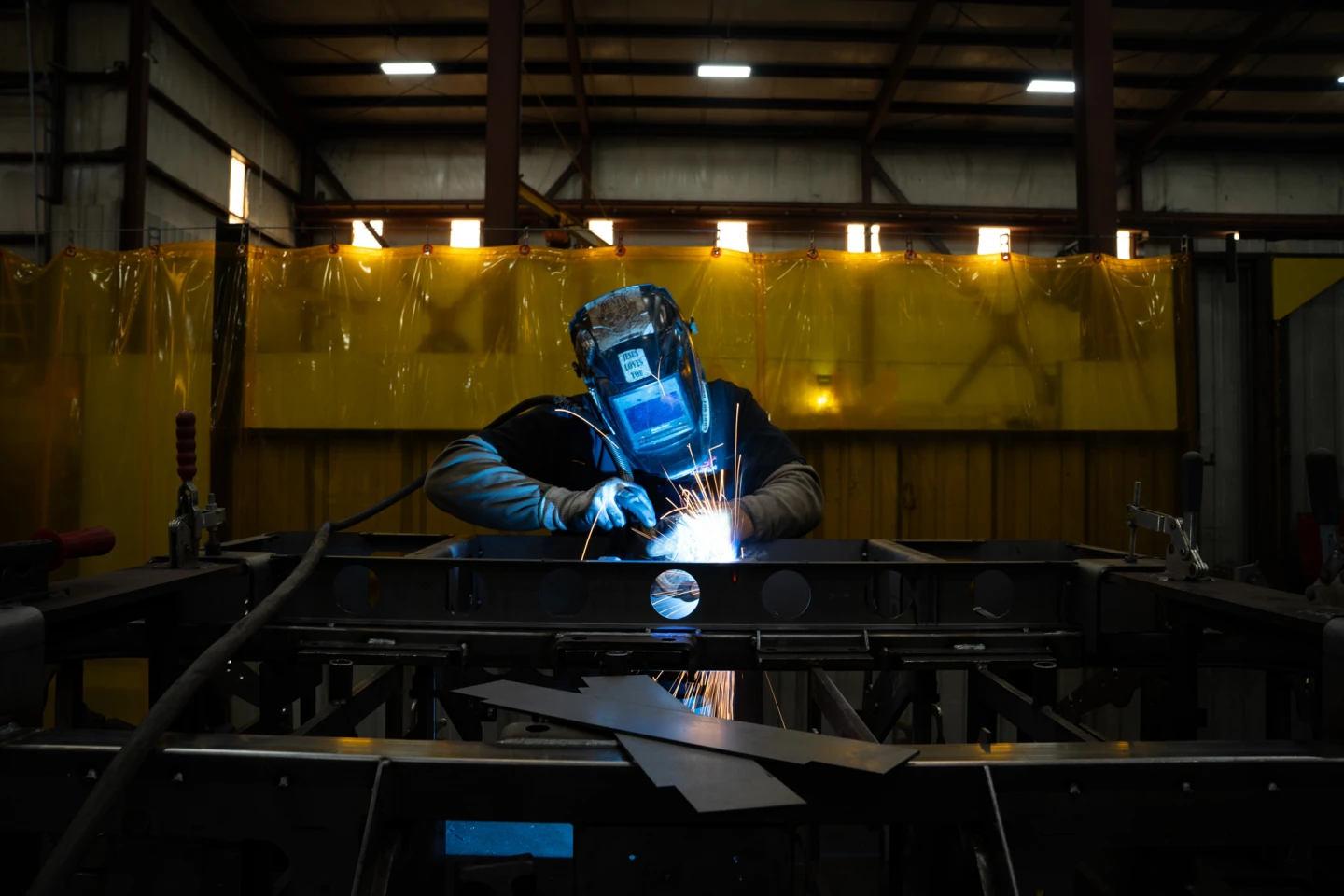
Jay Allen, the owner of Allen Engineering Corp., thought voting for President Trump would benefit his manufacturing business. He expected the Republican leader to cut taxes and reduce regulations. However, the import tariffs that form the backbone of Trump’s economic policies have instead wreaked havoc on his operation, pushing costs higher for essential components sourced from abroad. Allen, who operates out of northeast Arkansas, finds that the increasing costs of engines, steel, and other materials have forced him to increase his prices by 8% to 10%, further risking his sales, amid a backdrop of declining payrolls which fell from 205 to 140 employees.
Allen's story exemplifies a broader narrative where the tariffs intended to revitalize American industries have instead contributed to their decline. Existing unemployment numbers indicate that manufacturing jobs have dropped noticeably, with nearly 98,000 positions lost during Trump's first year in office. Meanwhile, multiple businesses have begun lawsuits against the government, seeking over $130 billion in tariff refunds, as the anticipated benefits have not materialized.
Despite the White House maintaining that construction spending is high and that new investments are being made, these statements are often viewed skeptically by those within the manufacturing sector. Reports indicate a surge in factory construction coinciding with legislative efforts from the Biden administration, such as the CHIPS Act, raising the questions about the actual impact of Trump's tariffs.
With uncertainty surrounding tariff policies and significant changes occurring on the global manufacturing landscape, many small to medium-sized manufacturers are feeling the pressure. The Association of Equipment Manufacturers admitted that industry competitiveness has dwindled in comparison to countries like China, and they are advocating for tax credits to offset tariff costs that are impacting their operations.
Lori Wallach, director of a prominent trade program, suggests that the administration's approach to tariffs lacks the necessary international cooperation to effectively confront unfair trade practices. Essentially, without a strong coalition, American manufacturers may find themselves increasingly vulnerable in the global market.
As stories like Allen’s reflect growing frustrations in the industry, the need for clear and stable trade policies becomes more pressing. The path forward remains uncertain for many U.S. manufacturers, who are caught between impending tariff hikes and competitive pressures from abroad.
Allen's story exemplifies a broader narrative where the tariffs intended to revitalize American industries have instead contributed to their decline. Existing unemployment numbers indicate that manufacturing jobs have dropped noticeably, with nearly 98,000 positions lost during Trump's first year in office. Meanwhile, multiple businesses have begun lawsuits against the government, seeking over $130 billion in tariff refunds, as the anticipated benefits have not materialized.
Despite the White House maintaining that construction spending is high and that new investments are being made, these statements are often viewed skeptically by those within the manufacturing sector. Reports indicate a surge in factory construction coinciding with legislative efforts from the Biden administration, such as the CHIPS Act, raising the questions about the actual impact of Trump's tariffs.
With uncertainty surrounding tariff policies and significant changes occurring on the global manufacturing landscape, many small to medium-sized manufacturers are feeling the pressure. The Association of Equipment Manufacturers admitted that industry competitiveness has dwindled in comparison to countries like China, and they are advocating for tax credits to offset tariff costs that are impacting their operations.
Lori Wallach, director of a prominent trade program, suggests that the administration's approach to tariffs lacks the necessary international cooperation to effectively confront unfair trade practices. Essentially, without a strong coalition, American manufacturers may find themselves increasingly vulnerable in the global market.
As stories like Allen’s reflect growing frustrations in the industry, the need for clear and stable trade policies becomes more pressing. The path forward remains uncertain for many U.S. manufacturers, who are caught between impending tariff hikes and competitive pressures from abroad.