A small plane crashed into Beijing’s CITIC Tower, triggering a security crackdown and a silence from authorities
Incident report
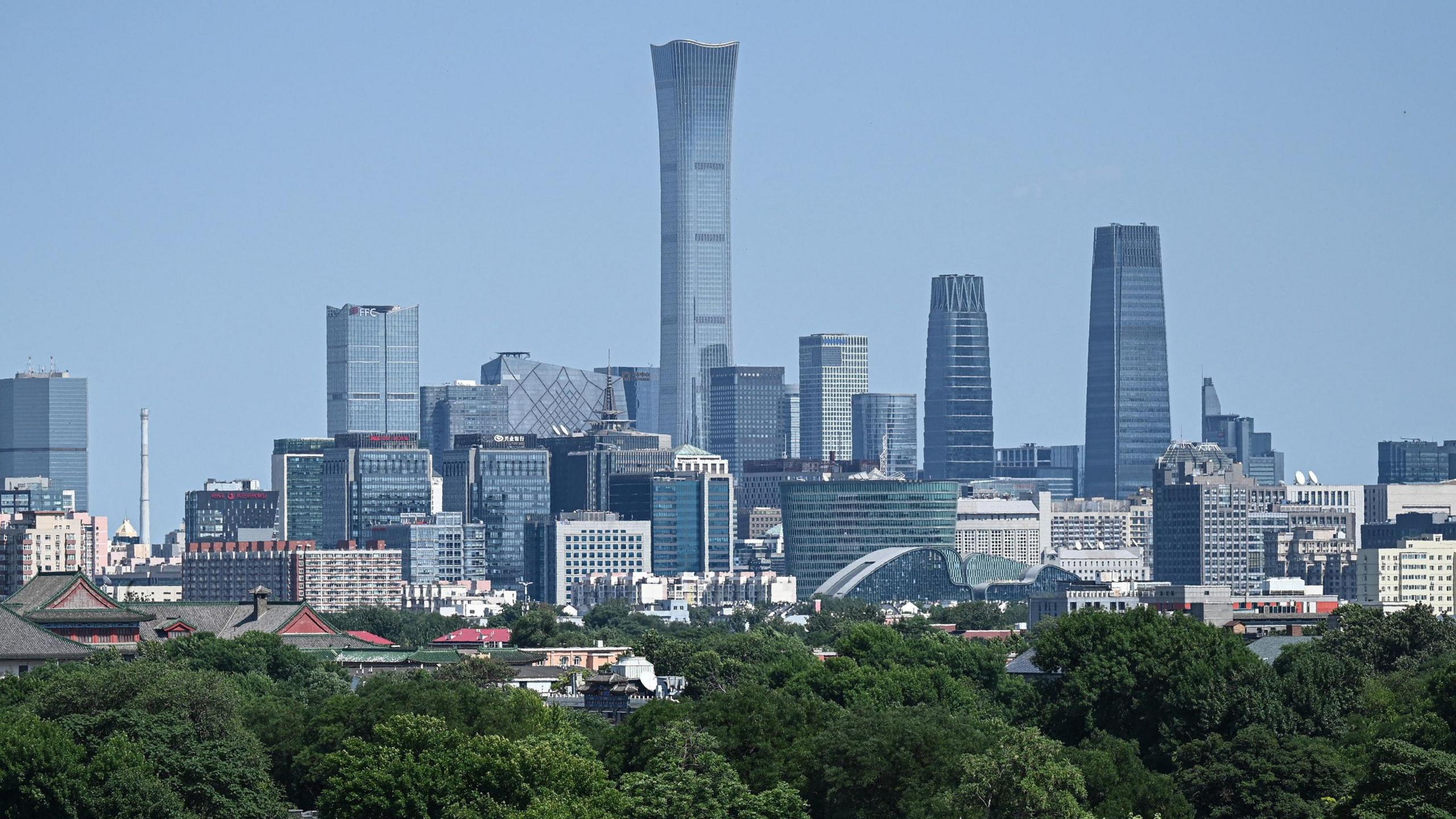
On 26 June, a two‑seat Aurora SA60L aircraft slammed sideways into the exterior of the CITIC Tower – the city’s tallest skyscraper. The pilot, the only person aboard, was killed. Thirteen occupants inside the tower were injured, with several being taken to the hospital.
Official response
The Beijing‑based state paper Beijing Daily released a terse 60‑word statement describing the crash and the subsequent boarding of the damaged area. Beyond that, there have been no further details, and a video clip of the impact has been scrubbed from the internet.
Air‑defence breach
The Paris‑based analyst Bill Bishop says the event was a “massive security breach” because the plane managed to fly across the densely monitored urban core and approach the heavily guarded Zhongnanhai compound, where China’s top leaders live and work. Beijing normally enforces a no‑fly zone of about 100 square kilometres over the political core. The incident suggests that either the aircraft lost control or a loophole in air‑traffic monitoring was exploited.
Possible explanations
Experts point to a range of possibilities: pilot error, mechanical failure, or even an intentional act. Raymond Kuo, a vice‑president of research at the Chicago Council of Global Affairs, notes that a small, yet larger aircraft could reveal deeper gaps in the city’s security system, similar to a 1987 incident when a German pilot landed a light aircraft in Moscow’s Red Square.
Senar Calls for scrutiny
The Chinese central government has grounded light aircraft operations following the crash, but firms refuse to elaborate, saying they have been instructed not to discuss it. The incident has also prompted a tightening of drone regulations, now requiring registration for entry or exit from the capital city. The rapid silence and censorship—especially of unrelated photos of the tower—suggest the leadership is uncertain about the facts and concerned that the incident threatens party narratives.