Graham Platner’s Sudden Exit Undermines Democrats’ Maine Senate Fight
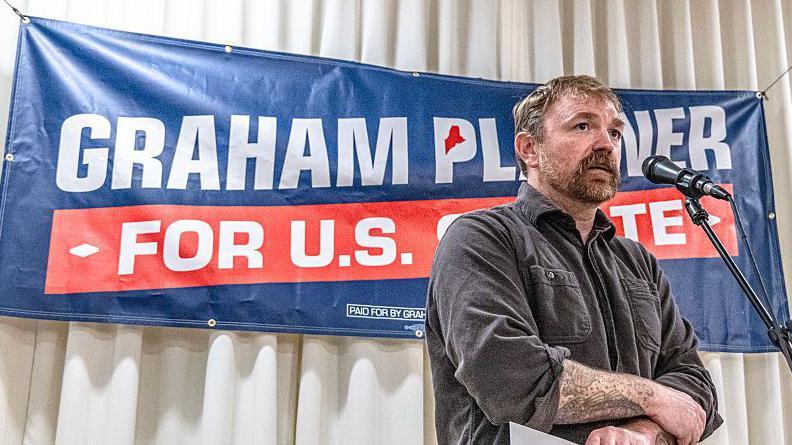
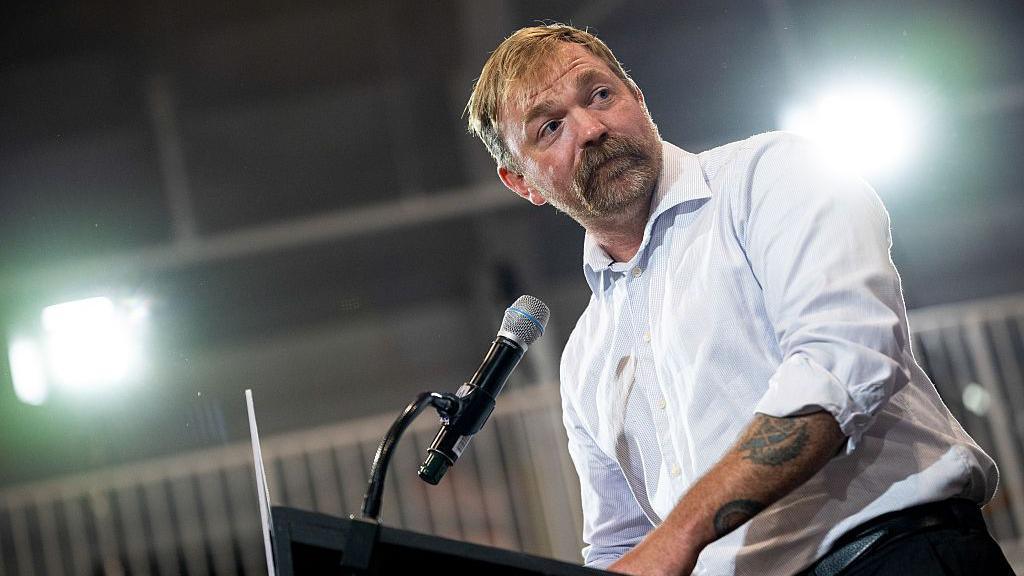
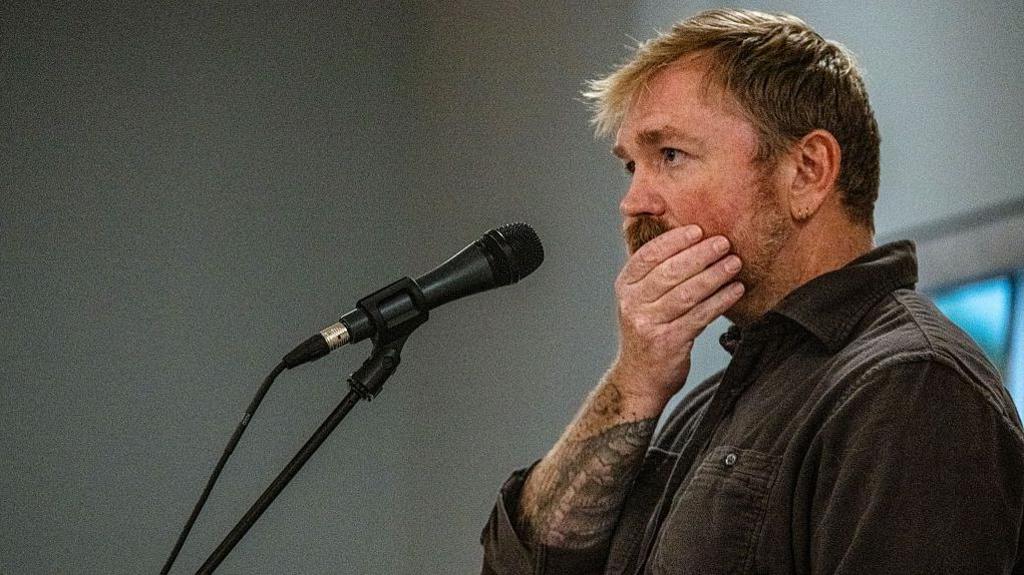
Graham Platner, a former Marine and oysterman who rose from relative obscurity to become the Democratic nominee in Maine’s high‑stakes Senate contest, announced his withdrawal on Wednesday night. He did so via a socially‑shared video just over 48 hours after a Politico story revealed an allegation of a sexual assault from 2021. Ditto, the allegation had declared that an intoxicated Platner had entered an ex‑girlfriend’s home uninvited, an allegation the candidate has denied.
Platner’s early campaign drew record enthusiasm, outshining the party‑backed former Governor Janet Mills in the primary and gaining a grassroots network of more than 15,000 supporters. The nation’s progressives, including Senators Bernie Sanders and Elizabeth Warren, had positioned him as the best chance to unseat long‑time Republican Senator Susan Collins, whose 30‑year incumbency has demonstrated a resilient Republican foothold even in a state that voted for the Democratic presidential nominee in 2024.
But the collapse now threatens Democrats’ Senate strategy. A Senate majority requires flipping four Republican seats, and Maine is regarded as a must‑win target; the loss of a front‑running candidate jeopardises that goal. The timing also exposes deeper rifts between the party’s left wing and the establishment — disagreements that could strike at the party’s viability for the August 2028 presidential race.
Immediately after the allegation surfaced, state and national Democratic allies, including on the progressive side, withdrew support. The national party announced it would no longer fund Platner’s campaign, and the state party confirmed it would fill the vacancy through a convention within two weeks. A large group of delegates will choose the replacement, but the swift withdrawal forces Democrats to rally their base, which is wary of being sidelined by establishment decisions.
The national party’s decision to shelve the replacement financially and the state leadership’s call to use a “closed” convention though claimed to be “open and democratic” illustrates the friction between grassroots activists and political bosses. Key voices, like University of Maine professor James Melcher, observed that if the base feels defeated, they may politicize the decision process, further disorganising the campaign.
As the political clock ticks, the new candidate will need to restore momentum in a short three‑month window. Democratic opponents are concerned that a successor who loses will spark prolonged blame‑games and damage party cohesion. The stakes are high, and the outcome remains uncertain as the state party prepares to announce a replacement before the July 27 deadline.
Meanwhile, several established figures weigh potential candidacies: former Maine Senate leader Troy Jackson, state epidemiologist Nirav Shah, and Secretary of State Shenna Bellows—all familiar name‑recognition but faces their own challenges in neutralizing the damage caused by Platner’s abrupt exit.
For the party, the crucial question becomes whether the replacement can harness the energy that propelled Platner while overcoming the lack of scrutiny that foreshadowed the scandal. The answer will shape Democrats’ chances in a pivotal Senate race and influence the broader narrative of the party’s progressives in a changing electoral landscape.