In brief
Senator Abdul El‑Sayed, Michigan’s first Muslim senator, registered the Habibi PAC days after his election victory, signaling a new strategy to influence Democratic leadership in Washington. The leadership‑style committee, named after the Arabic term for “my dear,” will raise and spend money to support fellow party members while obligating the senator to disclose its donors. The move follows a broader trend among newly elected lawmakers, amidst a mid‑term cycle that saw record campaign‑finance spending and raised questions about money’s role in shaping congressional leadership.
In a move that could reshape how Democratic lawmakers support their peers, Senator Abdul El‑Sayed, the first Muslim elected to the U.S. Senate, launched a new leadership‑style political action committee—Habibi PAC—shortly after winning Michigan’s seat.
The Habibi PAC was registered in early November 2026, a day or two after El‑Sayed declared victory in Detroit. The committee’s name, drawn from the Arabic term *habibi* meaning “my dear” or “my beloved,” reflects the personal touch the senator frequently used on his campaign trail.
Leadership‑style PACs are a distinct form of political fundraising that allows lawmakers to raise money outside of their own campaign budgets. By gathering contributions from sympathetic donors, a senator can back other Democratic candidates, amplify policy priorities, and enhance his standing among fellow members of Congress—especially when eyeing leadership posts or committee chairmanships.
El‑Sayed’s launch comes amid a mid‑term campaign‑finance glut that saw spending reach record levels. According to data from OpenSecrets, leadership PACs contributed almost $79.3 million during the 2024 election cycle, with a majority going to Republican candidates. Curiously, the largest single donor that year was a Democratic leadership PAC, illustrating the potential reach of this financing model.
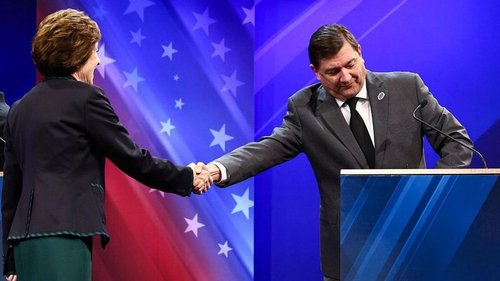
El‑Sayed’s entry into the Senate followed a hard‑fought campaign in which he challenged incumbent Republican Mike Rogers. The race attracted attention from high‑profile Republicans—including President Trump, Vice President JD Vance, and Senator Ted Cruz—who publicly questioned the senator’s loyalty and labeled him a “jihadist.” El‑Sayed denied such claims and stressed the need for U.S. taxpayers’ money to focus on domestic priorities rather than overseas conflicts.
During his victory speech in Detroit, El‑Sayed addressed Vice President Vance with the nickname “Habibi,” noting the irony of Vance’s constitutional duty to swear him in. He also emphasized that defeating Trump was just the beginning: “Defeating Trump was not enough; the system that produced me had to be replaced.”
In addition to backing fellow Democrats, El‑Sayed has pledged transparency around the Habibi PAC’s finances. He promised to keep money out of politics and to keep a clear record of where contributions come from—part of a broader effort to increase accountability in a system where campaign finance has long influenced legislative outcomes.
The PAC also reflects a trend among newly elected leaders who are creating similar entities to strengthen their influence. Arizona Congressman‑elect Amish Shah launched *PACStreet Boy*, Iowa’s Josh Turek introduced *WheelPAC*, and North Carolina Governor‑elect Roy Cooper created *One NC PAC*—all leadership‑style efforts aimed at shaping party dynamics from a position of newfound authority.
By establishing the Habibi PAC, El‑Sayed not only seeks to support the Democratic caucus moving forward but also sets a precedent for the role of newly elected senators in steering the broader political conversation. The committee’s fundraising and spending patterns will be closely watched by federal election officials, watchdog groups, and voters who question the influence of money on Senate leadership and policy decisions.