In brief
On its tenth birthday, Pokémon Go celebrates more than a billion downloads and lasting community ties. The augmented‑reality app sparked a global movement where players meet in parks, malls and even Times Square to battle giant Pokémon. Fans report the game has helped them break routines, find support and even spark relationships, while developers balance server loads and future growth. Despite challenges, the focus remains on shared experiences and fresh ways for families to connect. The story follows players’ stories, public events and the game’s future plans.
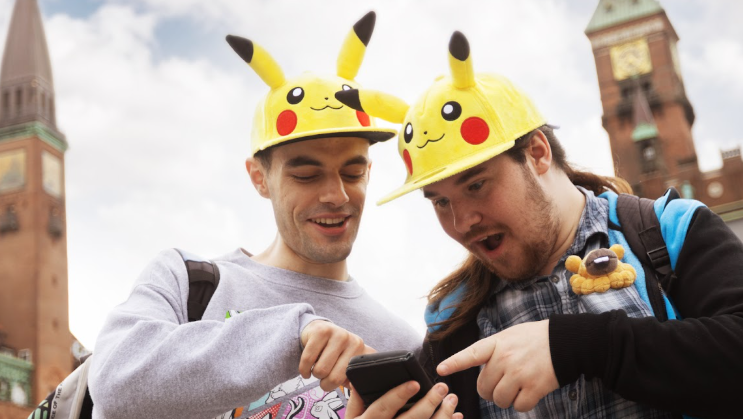
Since its launch in 2016, the AR‑first mobile game has recorded more than a billion downloads and millions of daily players, even a decade on. Its core idea—using GPS to let you hunt virtual Pokémon in the real world—has led to a worldwide community that meets in parks, shopping malls and city squares. That was on full display Thursday when hundreds of gamers gathered in New York’s Times Square to battle a giant Mewtwo as part of the game’s 10th‑anniversary celebrations.
Michael Steranka, vice‑president of product at Scopely, says the game's core mission is community. “Pokémon Go will always start with community,” he told BBC News. “It’s where we’ve only just scratched the surface.” He added that weddings are being booked by couples who first met at the game, showing how the virtual hunt turns into real‑world love stories.
The developer estimates players have walked more than 100 billion kilometres inside the game, a distance equating to roughly 334 round trips between Earth and the Sun. That massive movement of people has powered a bustling event ecosystem that now averages over 400,000 attendees a year across 60 countries. In 2025, the first European ‘Wild Area’ event took place in Doncaster, bringing the game’s immersive play right to a small town in South Yorkshire. Local streamer and community ambassador j0beats described the experience as “like a music festival,” where people gather to share the energy of their shared purpose.
But the game’s impact goes beyond socializing. Austin, from Maine, has played since 2017. “Before Pokémon Go I felt anxious and depressed, unable even to get out of bed,” he shared. After joining a raid meetup, he described a newfound confidence: “It was a warm blanket.” He said that after that first outdoor event, his self‑talk that kept him in bed was simply muted.
Pokémon Go has also faced its own challenges. Early in its lifespan, police and safety groups warned players to stay aware of their surroundings to avoid getting lost or in danger. Server downtime, especially during the pandemic, initially impacted the game more than many other titles. Scopely’s acquisition of Niantic for $3.5 bn (or £2.7 bn) in 2025 raised questions about future development, but Steranka pledged that “we aim to prove it’s a good thing for the game and the community.”
Looking ahead, Scopely plans to focus on creating shared family experiences and sustaining community momentum. Michael Steranka believes Pokémon Go “meets people where they are, at whatever phase of life they’re in.” The decision was vindicated in the game’s design: wherever you walk, a familiar sprite might appear on your screen, encouraging you to step outside for a quick stroll, a catch or a chat with a new friend.
The anniversary has shown that the game is more than a pastime. It is a movement that connects millions of players across the world, provides unexpected mental health benefits, and keeps evolving with its global community. The next decade will likely see even more innovation, but the core idea remains: bring people together in the joy of the hunt.