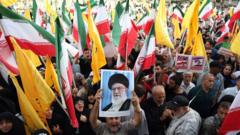
The last 24 hours marked a pivotal moment in the ongoing conflict between Iran and Israel, resulting in the US stepping in to mediate a ceasefire after extensive hostilities. The situation began to intensify as the US government warned its citizens in Qatar to “shelter in place” due to credible threats of Iranian missile retaliation against the al-Udeid military base, home to thousands of US troops.
On the evening of the ceasefire, Iran's Revolutionary Guards confirmed they were launching a response to recent US strikes on Iranian nuclear targets, including the strategically significant Fordo facility. Initial reports indicated that missiles aimed at the US base were intercepted, minimizing casualties and culminating in a sense of cautious de-escalation.
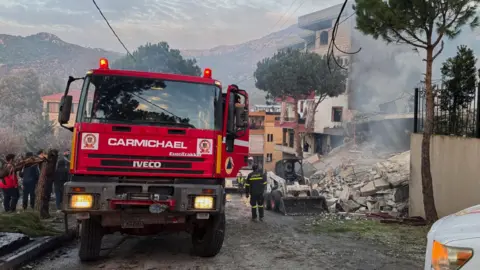
As the skirmishes continued, President Trump’s response shifted from robust military support to a surprising call for peace, emphasizing a turning point in the US-Iran relations. Over the course of the day, Iran and Israel fired shots at each other, resulting in civilian casualties and significant infrastructural damage in both nations.
Frantic negotiations ensued between American and Iranian officials, leading Trump to declare a ceasefire on social media, accompanied by assurances from both parties that they were willing to halt retaliatory attacks. Nevertheless, moments after the announcement, further missile exchanges occurred, posing questions about the ceasefire's viability.
As the dust settled, both nations faced mounting pressure to uphold the agreement, with Trump openly expressing frustration towards Israel’s aggressive military stance even as the US sought to solidify peace in the region. In the wake of this unpredictable series of events, the world remains watchful, hoping for a lasting resolution to the 12-day conflict.
On the evening of the ceasefire, Iran's Revolutionary Guards confirmed they were launching a response to recent US strikes on Iranian nuclear targets, including the strategically significant Fordo facility. Initial reports indicated that missiles aimed at the US base were intercepted, minimizing casualties and culminating in a sense of cautious de-escalation.
As the skirmishes continued, President Trump’s response shifted from robust military support to a surprising call for peace, emphasizing a turning point in the US-Iran relations. Over the course of the day, Iran and Israel fired shots at each other, resulting in civilian casualties and significant infrastructural damage in both nations.
Frantic negotiations ensued between American and Iranian officials, leading Trump to declare a ceasefire on social media, accompanied by assurances from both parties that they were willing to halt retaliatory attacks. Nevertheless, moments after the announcement, further missile exchanges occurred, posing questions about the ceasefire's viability.
As the dust settled, both nations faced mounting pressure to uphold the agreement, with Trump openly expressing frustration towards Israel’s aggressive military stance even as the US sought to solidify peace in the region. In the wake of this unpredictable series of events, the world remains watchful, hoping for a lasting resolution to the 12-day conflict.