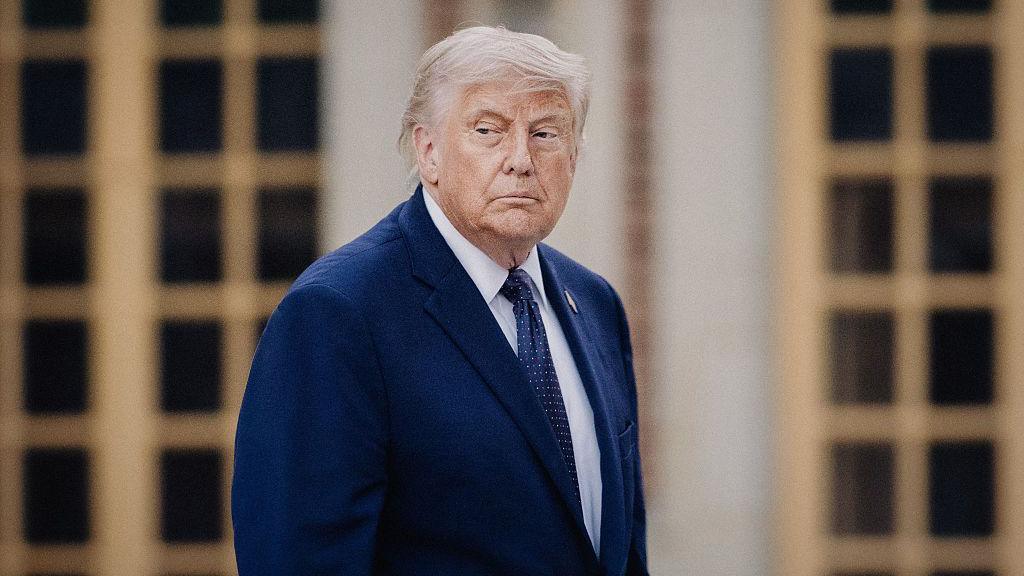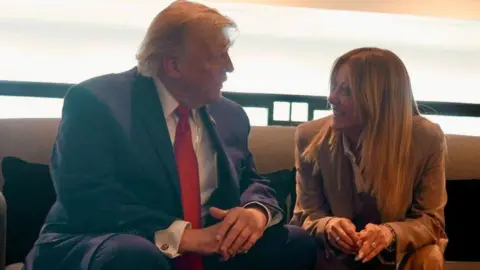
The leaders of the Democratic Republic of Congo and Rwanda are set to sign a peace deal aimed at ending the long-running conflict in the region at a summit hosted by US President Donald Trump in Washington.
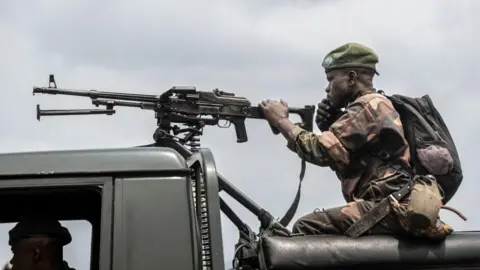
Ahead of the summit, there has been an escalation in fighting in resource-rich eastern DR Congo between government forces and rebels believed to be backed by Rwanda.
DR Congo's army accused its rivals of attempting to sabotage the peace process, but the M23 rebels said the army had launched an offensive in breach of a ceasefire.
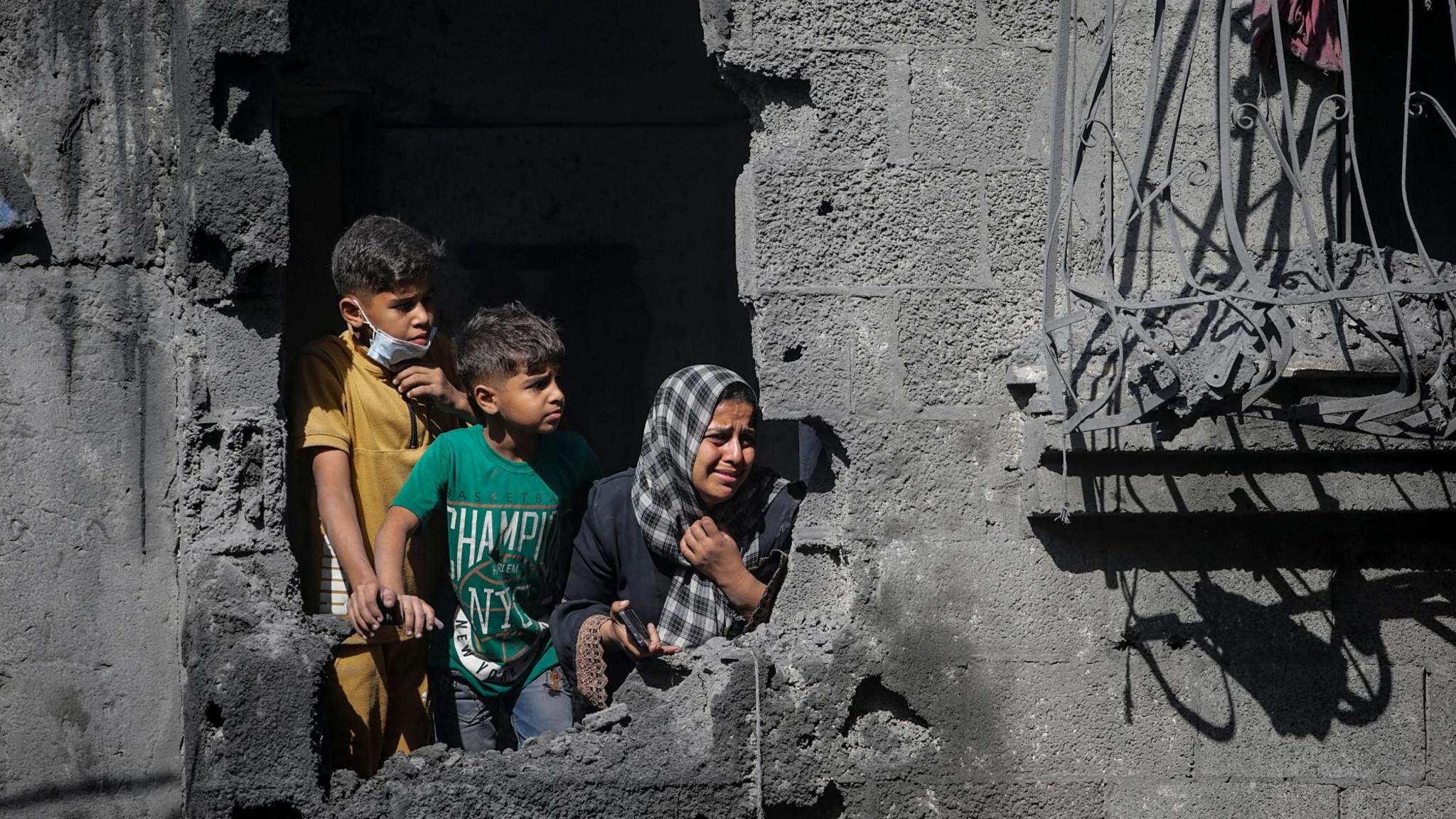
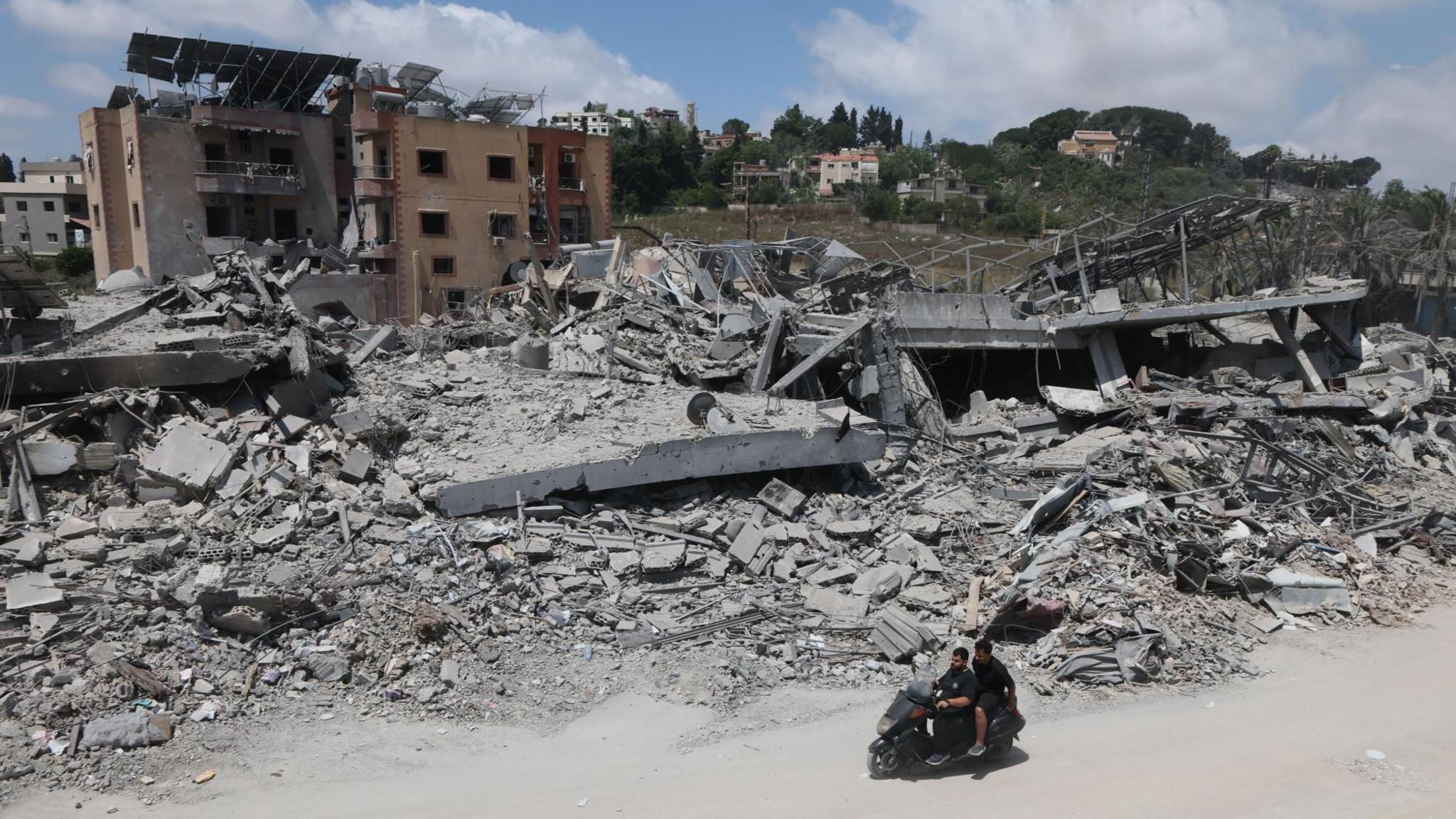
At the start of the year, the M23 seized large parts of eastern DR Congo in an offensive that saw thousands killed and many more forced from their homes.
DR Congo's President Felix Tshisekedi and his Rwandan counterpart Paul Kagame have frequently exchanged insults in recent years, each accusing the other of starting the conflict.
Trump got the two countries' foreign ministers to sign a peace accord in June, hailing it as a glorious triumph.
Tshisekedi and Kagame will now endorse it, with several other African and Arab leaders - including those of Burundi and Qatar - expected to attend the signing ceremony.
The M23 will not be present - it is in talks with DR Congo's government in a parallel peace process led by Qatar.
The Trump administration has spearheaded talks between DR Congo and Rwanda, hoping that resolving the differences between the two neighbours will pave the way for the US to increase investments in the resource-rich region.
Rwanda denies supporting the M23, despite UN experts saying its army is in de facto control of M23 operations.
The M23 seized key cities in eastern DR Congo earlier this year, including Goma and Bukavu.
In a statement, DR Congo army spokesman Gen Sylvain Ekenge said the rebels had launched a fresh offensive on Tuesday on villages in the South Kivu province.
For its part, the M23 said the DR Congo army had launched an air and ground assault against its positions, and this was done in cahoots with Burundian forces.
Burundi has not commented on the allegation. It has several thousand troops in eastern DR Congo to support the embattled army.
Despite the fanfare and the presence of the two leaders in Washington, some analysts are sceptical about whether the deal will lead to lasting peace.
A DR Congo researcher with the South Africa-based Institute for Security Studies think-tank, Bram Verelst, remarked that there is currently no ceasefire in place, and the M23 rebellion continues to expand and consolidate its control.
Rwanda has emphasized that it has adopted defensive measures in eastern DR Congo due to the threat posed by the FDLR militia group, which includes fighters responsible for the 1994 Rwandan genocide.
Kagame insists on the disarmament of the FDLR, while DR Congo demands the withdrawal of Rwandan troops as a condition for peace.
This peace deal is intended to address both issues, although prior agreements have failed due to accusations of non-compliance.
Experts note that while the leaders will sign the agreement, significant hurdles remain, including territorial disputes and the future presence of Rwandan forces in eastern regions.