
Record‑High July Ocean Temperatures Rattle the Planet
Last month, the world’s oceans recorded their hottest marine surface temperatures ever, with the average sea‑surface temperature (SST) outside the polar regions reaching 20.96 °C. That marks a new record, topping the previous high of 20.89 °C set in 2023, and making July the second‑warmest month on record globally.
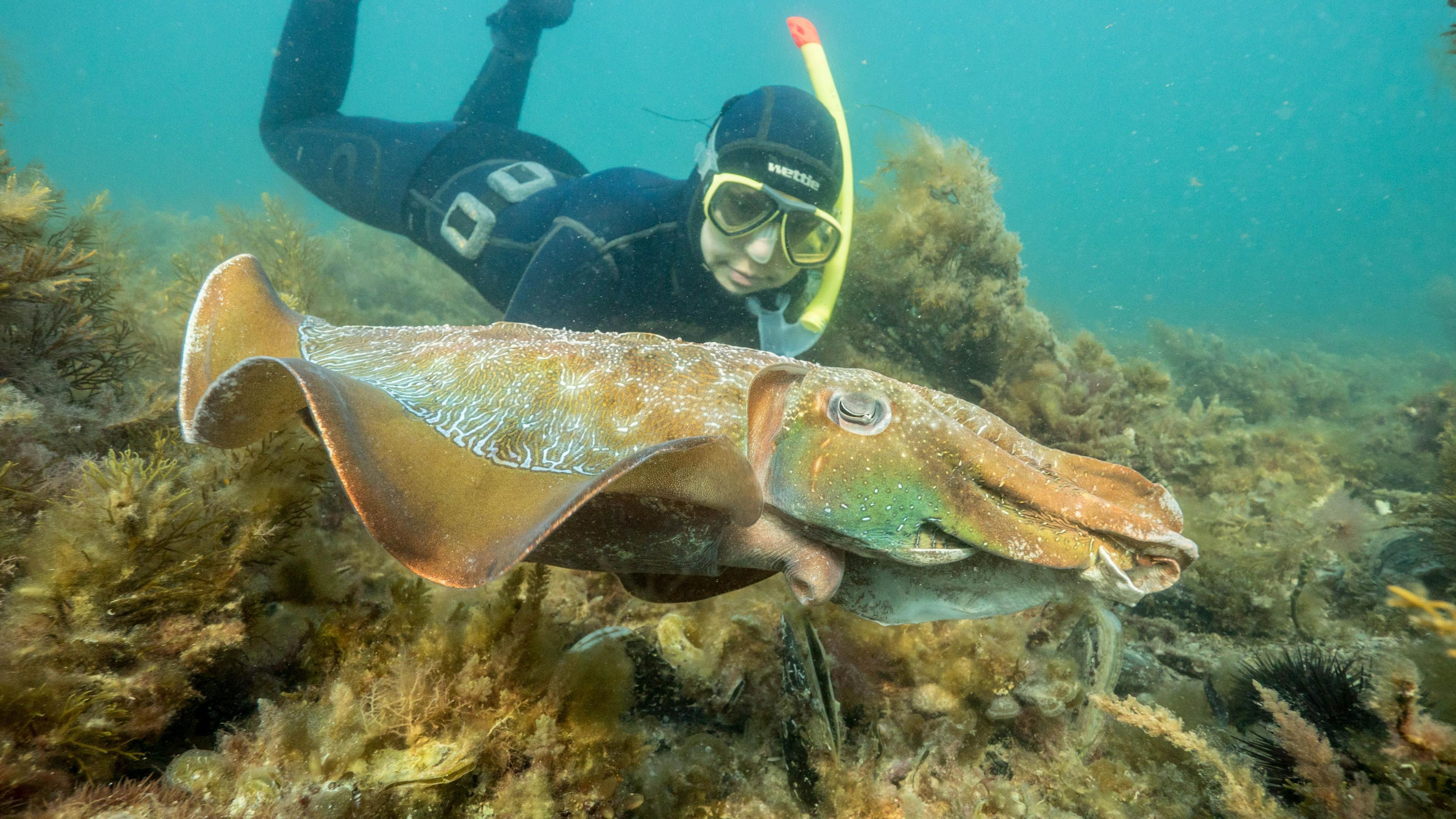
Data from the European Union’s Copernicus Climate Service show that the warmer ocean coincides with the onset of El Niño in the tropical Pacific, an atmospheric–oceanic pattern that, when merged with anthropogenic warming, can produce unusually high temperatures. The combined effect is already contributing to marine heatwaves that are damaging coral reefs, kelp forests and fisheries worldwide.
In Europe, scorching temperatures and prolonged dry spells have pushed the region into its hottest June and July on record. Heat is expected to continue, as Western Europe experiences a third consecutive month of high‑pressure weather, which traps warmth and dries soils. The Met Office has warned that the hottest day of the year in southern England is now 4.5 °C warmer than it was during the 1961‑1990 period.
Water supplies are under unprecedented pressure. England and Wales recorded their driest July in at least 190 years, and large parts of the UK have already been declared in drought. Rivers such as the Seine, Rhine and Danube are running at exceptionally low levels, threatening transport, energy production, and ecosystems.
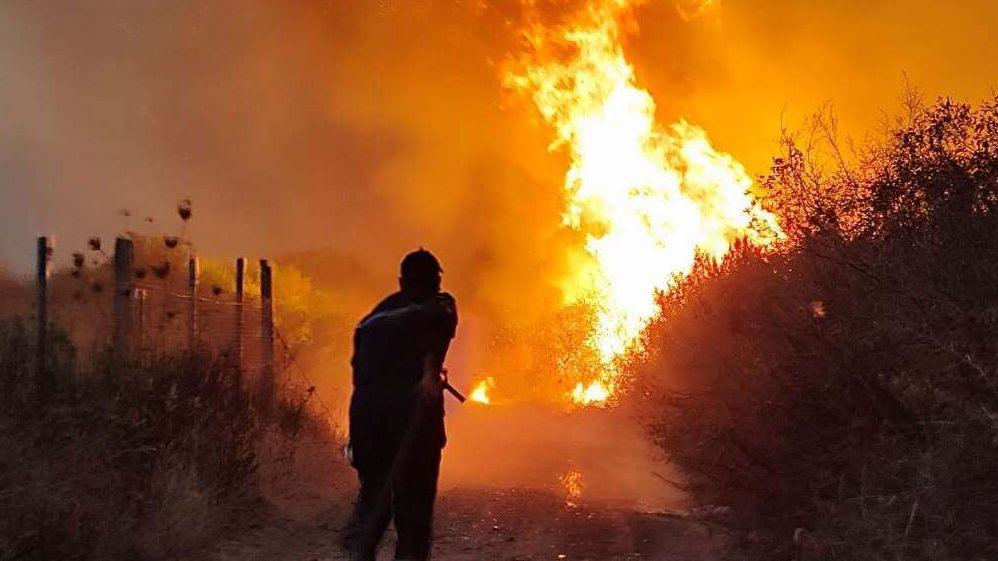
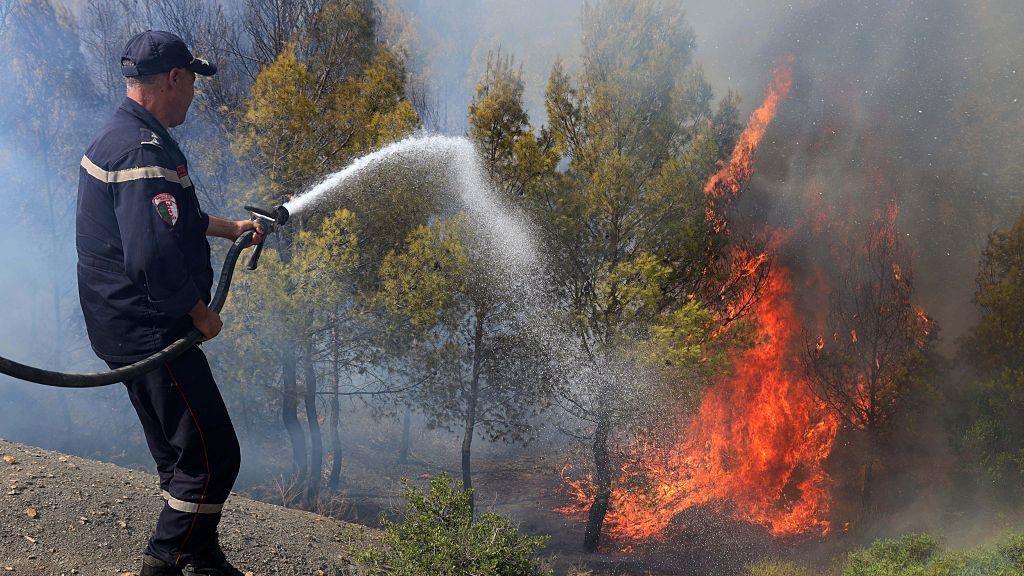
Climate‑driven heat spells are also intensifying wildfires across the continent. Last month’s fires in southern Europe produced “exceptional activity” in terms of area burned and smoke emissions. Larger fires spread smoke further, exposing even those regions that typically suffer few blazes.
These trends illustrate how events once considered extreme are becoming the new normal. Scientists note that the current average global temperature sits roughly 1.4 °C above the late‑19th‑century baseline, and that the El Niño may temporarily push temperatures even higher. That underscores the urgent need for both mitigation of greenhouse gas emissions and robust adaptation strategies.
Continued Threats for Oceans and Coasts
The warming of the oceans is not just a seasonal anomaly. Thermal expansion is already responsible for about one‑third of the sea‑level rise measured by scientists, pushing low‑lying coastlines and island nations into greater risk. Marine heatwaves, now more frequent and severe, bleach coral reefs on a mass scale and collapse kelp forests that support diverse marine life.
The growing heat also fuels heavier rainfall in tropical storms, resulting in storms with more intense rainfall and flooding potential. This complex cascade of climatic shifts shows that the climate system is reacting in unpredictable—yet also alarming—ways.
Public and political action must now keep pace with these evolving climate realities. The reefs, fisheries, and water infrastructure that many people depend on are flexing beyond historical boundaries, and the window for effective response is narrowing.