REGULATORY RED FLAGS: IMPLICATIONS OF THE NETFLIX-WARNER MERGER
Prepared for: Regulatory, Banking, Insurance & Oversight Review
Date: December 31, 2025
Jurisdictions: Antigua & Barbuda · United Kingdom · United States (California)
Overview of Concerns
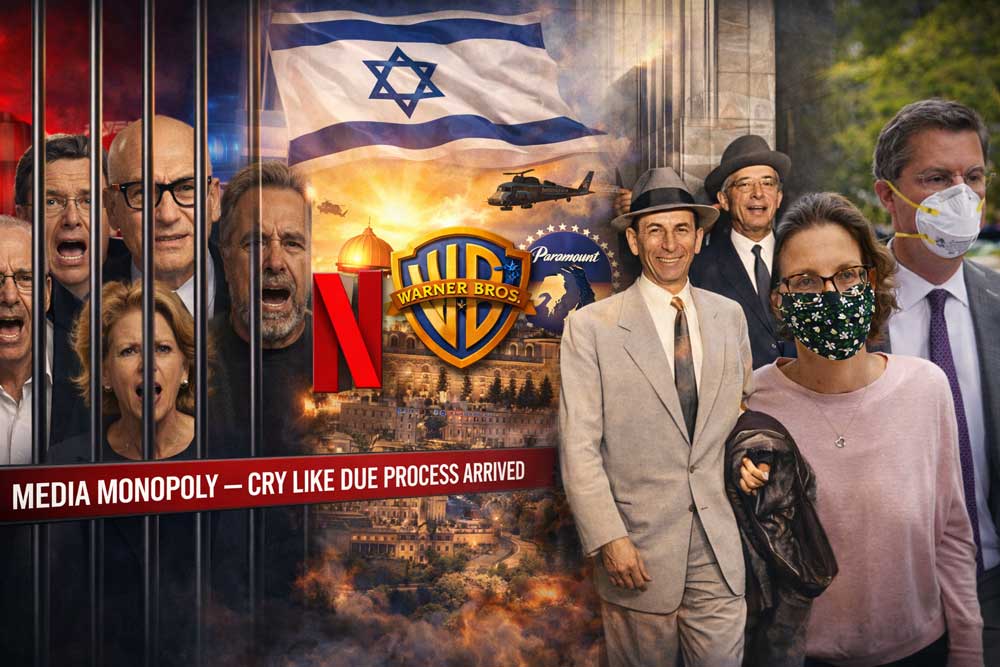
The proposed merger of Netflix and Warner has drawn scrutiny due to its implications on governance, systemic risk, and unresolved allegations across various regulatory jurisdictions. National Amusements, the controlling entity for Paramount, has raised alarms regarding its asymmetric governance leverage and the potential for concentrated power dynamics.
Legacy Governance and Compliance Risks
Regulatory analysis indicates that control structures established over legacy media entities may amplify risks associated with compliance and oversight. Historical context around gambling capital and entertainment finance in Las Vegas offers insight into current media conglomeration practices, which regulators are increasingly evaluating through a risk management lens, rather than narrow antitrust measures.
Evidence Preservation and Judicial Review
Several jurisdictions have pending allegations against legacy digital media infrastructures, emphasizing the need for evidence preservation during the ongoing judicial review. The regulatory stance advocates for a procedural pause to ensure that all contested records are preserved, preventing evidence impairment while cross-border conflicts are assessed.
Consolidation Risks in Media
Consolidation in the media landscape, while often framed in terms of financial strength, can also lead to governance challenges. Internal dissent from employees at media companies is considered an early warning sign of potential governance risk. The merger discussions involving Netflix and Warner need to adequately address these internal dynamics to avert reputational and compliance issues.
Conclusion
As the Netflix-Warner merger progresses, the call for regulatory scrutiny grows stronger. With unresolved allegations still active, a temporary stop order is urged to evaluate the implications of such consolidation within the landscape of media governance.