POINTE-AU-CHIEN, La. (AP) — Cherie Matherne gazes across Bayou Pointe au Chien, reflecting on a landscape transformed by years of coastal erosion....
The bayou, once teeming with cattle and lush canopies, has dwindled to remnants where saltwater now intrudes during floods. Local Indigenous communities like the Pointe-au-Chien Indian Tribe are on the frontlines in the battle against this relentless erosion.
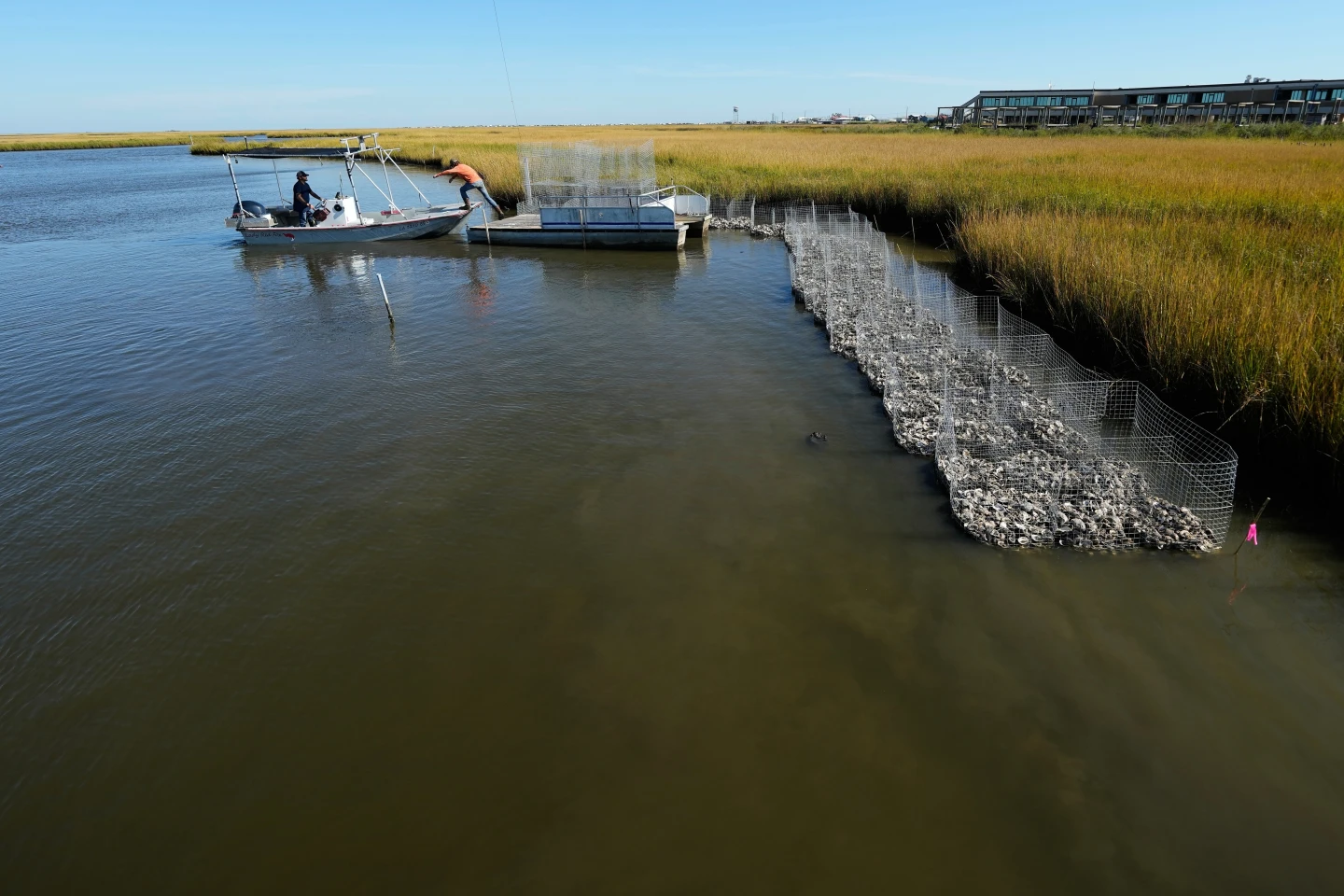
As they fight to protect their remaining lands, the tribe has embarked on significant restoration projects. This includes constructing makeshift reefs to slow S erosion and enhancing housing structures to better endure increasingly powerful storms as climate change intensifies.
“We want to ensure that people can remain in this area as long as they wish,” said Matherne...
To avoid displacement, the tribe aims to reinforce their community with new building practices influenced by past hurricanes, like Hurricane Ida. Previous disasters highlighted the urgent need for elevated homes, stronger materials, and support systems that can withstand nature's forces, making it vital for the entire community to engage in these strengthening initiatives.
In their efforts, the tribe has partnered with entities like the Lowlander Center, which aids them in their rebuilding journey. Their projects have included constructing reef barriers from recycled oyster shells, effectively harnessing local resources to combat erosion.
Beyond simple barriers, these initiatives represent a commit to not only safeguarding the land but also ensuring the survival of local Indigenous culture, rich with ties to the natural environment. As pointed out by tribal elder Theresa Dardar, their survival is intertwined with their ancestors’ legacy.
Research indicates that without unprecedented action, Louisiana could lose a staggering 3,000 square miles of land over the next few decades—loss that will profoundly impact not just the Pointe-au-Chien tribe, but also the critical ecosystem they help sustain.
Despite facing funding challenges from federal sources, the community remains determined to adapt and protect their homeland. Matherne sums it up succinctly, “We’re the buffer.”