In brief
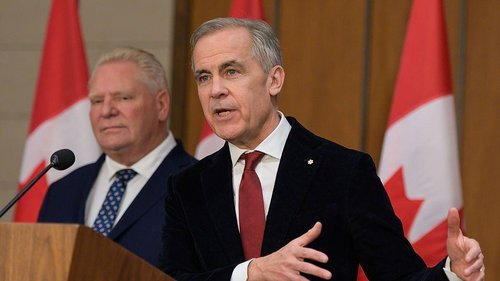
Justin Trudeau, who served nearly ten years as Canada’s Prime Minister, announced his resignation amid dwindling popularity and voter dissatisfaction, particularly regarding economic issues affecting citizens.
In the early years of his leadership, Trudeau was a charismatic figure, reminiscent of his father, the late Prime Minister Pierre Elliott Trudeau. His 2015 election brought hope and enthusiasm, making him an international symbol of progressive politics. Trudeau’s personal charm—characterized by his flowing hair, vibrant socks, and approachable demeanor—often placed him in the limelight. However, his tenure has faced significant challenges that eroded public support. Notably, his decision to support a controversial oil and gas project led to backlash, particularly among Indigenous communities who once viewed him positively. This growing discontent among voters has significantly contributed to his declining favor, pressuring him to step down at a critical time for the Liberal Party.As Trudeau departs, discussions of potential successors and the future direction of the Liberal Party are underway, signaling a shift in Canadian politics. The legacy of his leadership will likely serve as a discussion point for years to come, as Canada navigates through political and economic changes.In conclusion, Trudeau's resignation marks a significant chapter in Canada's political history, reflecting the complex interplay between charisma, governance, and the expectations of the electorate.