In brief
In rural India, farmers are transforming their fortunes through the cultivation of the butterfly pea flower, which is gaining popularity globally as a natural food dye and tea ingredient. Notable entrepreneurial efforts, such as those by Nilam Brahma and Nitesh Singh, are helping the farming community harness the potential of this vibrant flower. With the rise in demand for natural colorants and supportive innovations, this once humble crop is reshaping agriculture and empowering local communities in India.
Until a few years ago, the butterfly pea flower was just another climbing plant in my village, says Nilam Brahma, who lives in Anthaigwlao, a village in the northeastern Indian state of Assam.
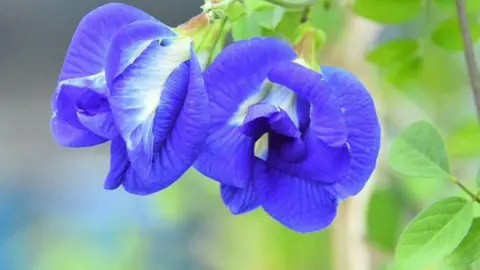
Butterfly pea, also known as aparajita in India, grows as a vine and has a striking blue flower. Around two years ago, Brahma heard that local women were making money selling the flowers, which can be made into tea or a blue dye.
She decided to join them. The results surprised even me. The first time I earned $50 (£37) from selling dried flowers, I felt a shock. It made me believe I could control my own future, she says. The experiment led to a small business.
I applied for a small loan and invested in solar dryers. The machines helped me dry flowers faster, preserve their colour, and meet the quality standards demanded by buyers.
Countries like Thailand and Indonesia have been leading growers of butterfly pea flowers, but there's a growing global demand for the flower that is attracting entrepreneurs in India.
The global demand for natural colourants is exploding, explains Varshika Reddy, the founder of THS Impex, which exports natural dyes and additives. She notes a significant interest in natural ingredients and tighter controls on synthetic food dyes in markets like the US and Europe.
In 2021, the US FDA approved butterfly pea flower as a food additive; however, safety concerns have emerged in Europe. Nevertheless, Indian producers see potential in this market, and efforts are underway to raise awareness and standards for farmers growing it.
This crop is still seen as a backyard ornamental or medicinal plant rather than a commercial commodity, Reddy states, emphasizing the need for structured market awareness and standardized pricing mechanisms.
Nitesh Singh, based just outside Delhi, echoes these sentiments. Having founded Blue Tea, he works to develop a brand centered around butterfly pea flowers. Initially, he struggled to find good-quality flowers, but after years of collaboration with farmers, he now supports a network of over 600 growers, primarily empowering women in the process.
Singh highlights the magical transformation of the flower's color when infused in hot water, further intriguing consumers with its potential health benefits. Research is affirming its advantages, showing promise in areas like diabetes management.
Pushpal Biswas, another farmer introduced to butterfly pea, reflects on his shift from traditional crops to embracing this vibrant plant. His farm has benefited significantly, showcasing how butterfly pea flowers are more than just a farming initiative; they are a catalyst for community growth and economic stability.
As the demand for this beautiful flower grows, it not only enhances farmers' livelihoods but nurtures a sense of community that can redefine agriculture across India.
}