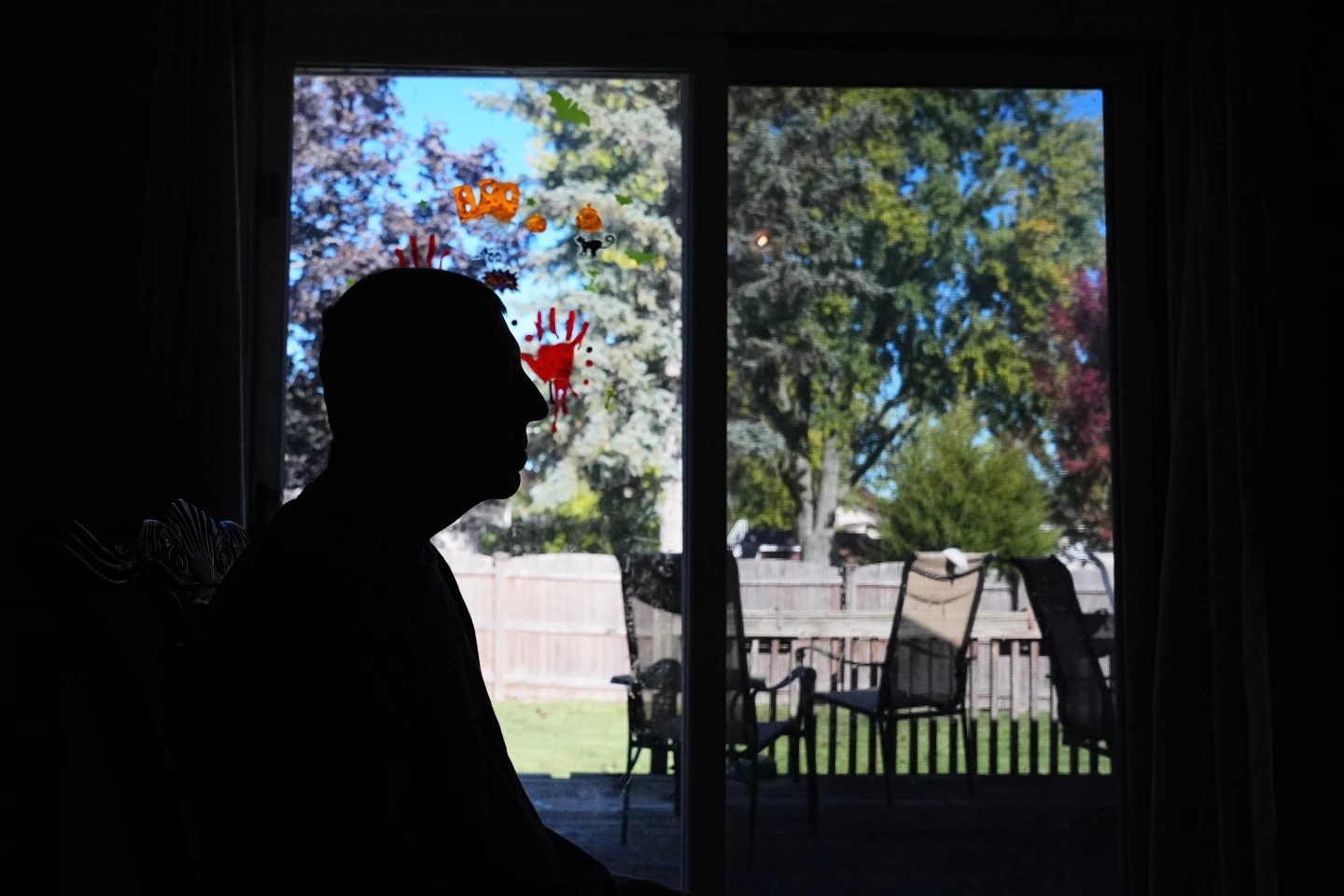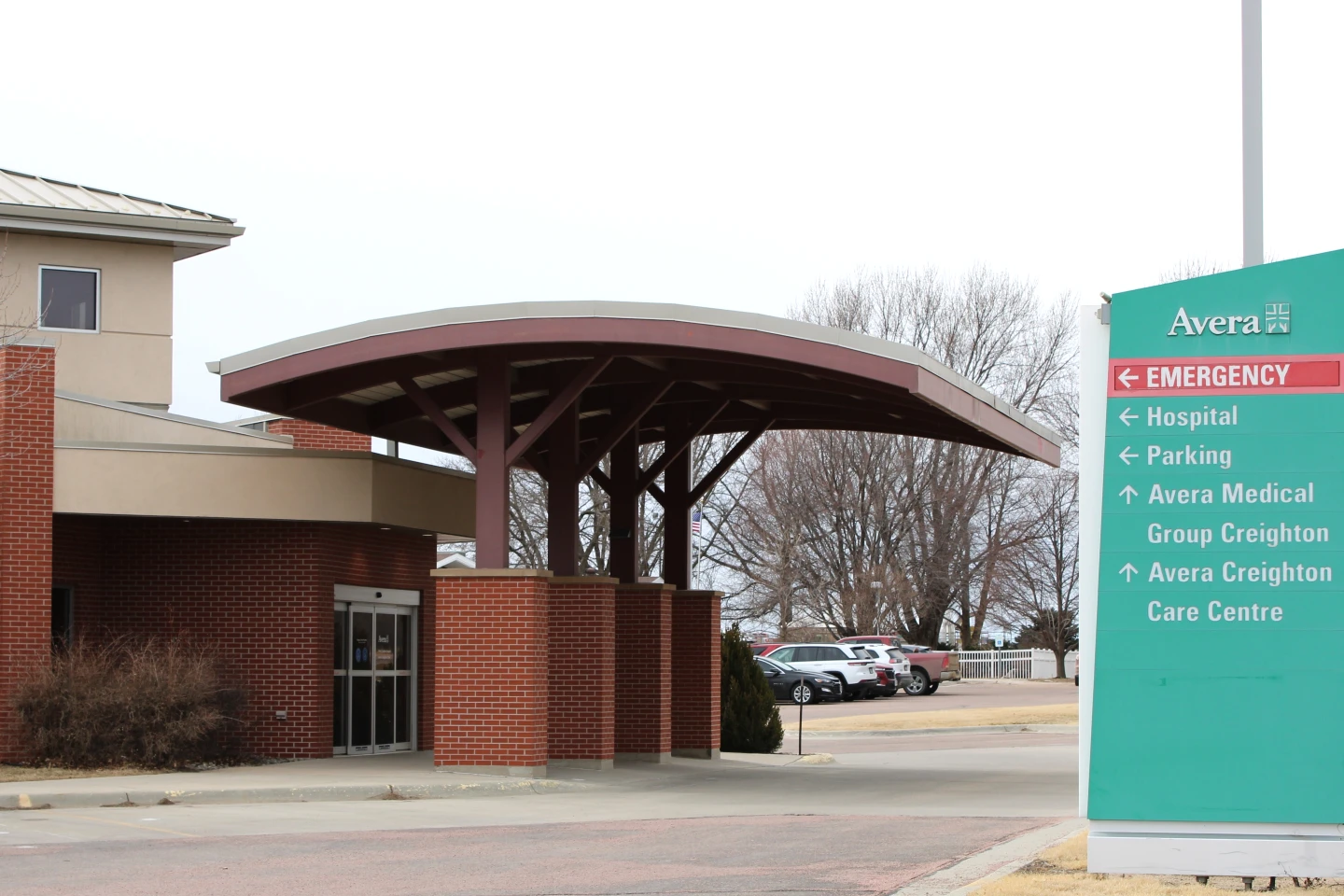
CREIGHTON, Neb. (AP) — The Saint John family made a conscious choice to settle in the small town of Creighton, Nebraska, primarily due to its accessible hospital. With a son who has nonverbal autism and epilepsy, frequent hospital visits are a necessity. Jane Saint John, an employee at the local critical access hospital, knows firsthand how crucial immediate medical care can be, having faced a life-threatening situation in the past.
However, the Saint Johns now face uncertain times as Avera Creighton Hospital and many rural health facilities grapple with severe financial challenges. A recently announced $50 billion governmental initiative is designed to change the landscape of rural health care, but for many, including those in Creighton, it offers little hope for immediate survival.
“It’s shocking to think our hospital’s future could be at stake when it has been such a critical lifeline,” Rick Saint John expressed emotionally, revealing the distress facing numerous families in similar situations.
Rural hospitals across the nation are reportedly on the brink of closure, exacerbated by earlier Medicaid cuts introduced under the Trump administration. These actions cut deeply into the funding that hospitals have relied on for operational stability, raising alarms about the sustainability of rural health care.
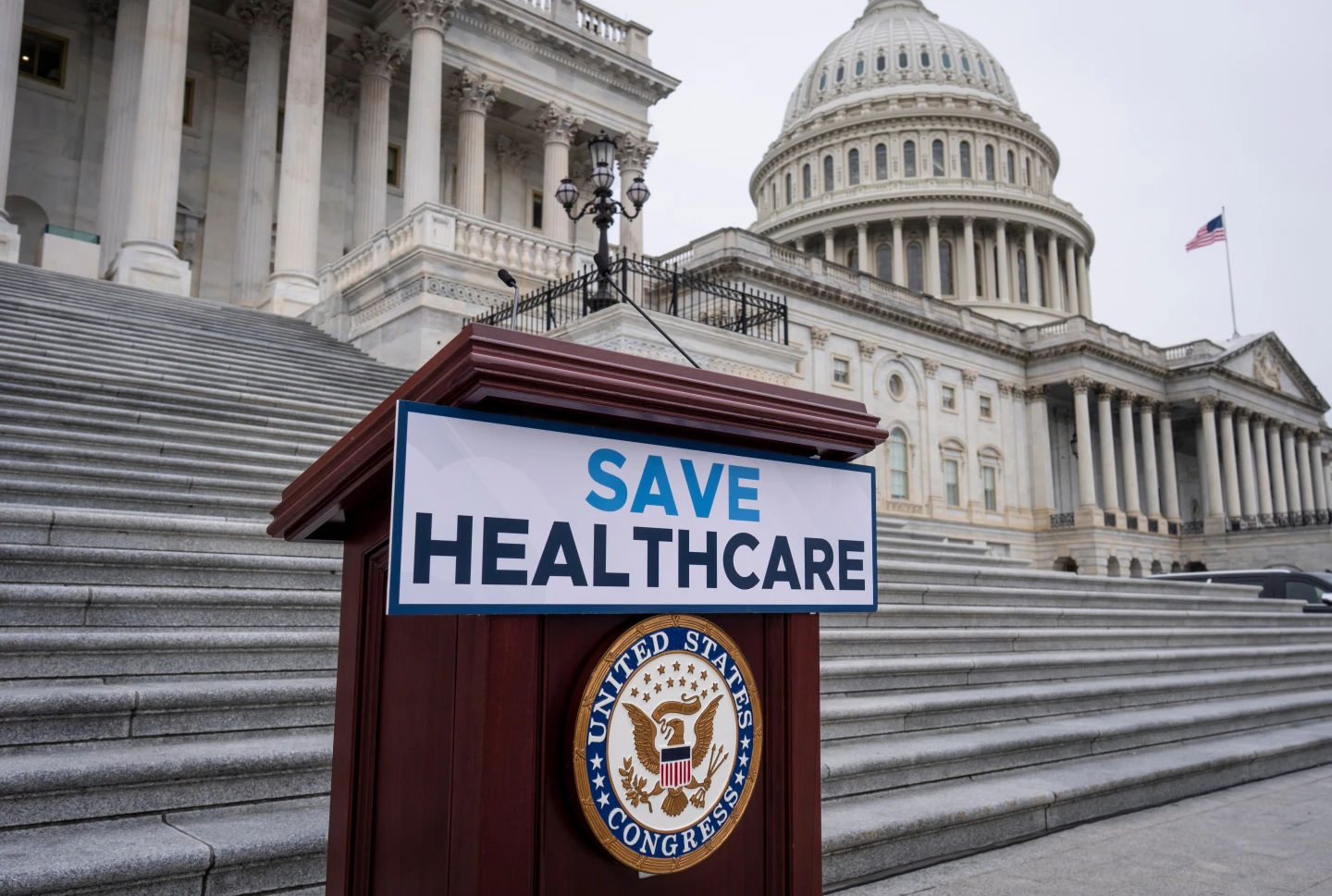
Despite Republican lawmakers' claim of revitalizing rural health care through new grant allocations, critics argue that the funding is more about innovation than providing the day-to-day support essential for hospitals at the brink of shutting their doors.
Dr. Ben Young, a public health expert, emphasized, “This funding won’t save the hospitals struggling to keep operational. The goal needs to be to stabilize these facilities, not just to introduce new technology or programs.” As concerns about health care accessibility grow nationwide, rural communities like Creighton are left wondering if they’ll retain their lifeline or be forced to drive hours for needed medical care. With midterm elections on the horizon, rural health care might prove a pivotal topic as citizens advocate for their hospitals’ survival.
As discussions continue on how to best use available funds, advocates remain cautiously optimistic but also wary of the reality ahead. “We need to support our local hospitals to ensure they can continue serving our community—not just innovate but to remain functional,” Rick Saint John concluded. The importance of these facilities extends beyond medical services to employment and community stability, revealing the interconnections between local hospitals and rural life.