In brief
Russian forces have been launching upgraded jet‑powered Geran drones almost every day, converting their air space into a high‑speed battlefield. The drones can cruise over 300 mph, far beyond the intercept speed of Kyiv’s existing air‑defence systems, and the war‑zone jets contain turbojet engines suspected to be sourced from China. In response, Ukrainian authorities are commissioning new anti‑drone missiles and accelerating production, while Russia expands launch infrastructure in the Oryol region’s Tsymbulova base to support a growing number of jet‑drone sorties. Analysts report that Russia’s attack pattern now blends hundreds of drones with ballistic missiles, challenging Ukraine’s interception rates and exposing gaps in daylight‑air defense. The surge in jet‑drone activity marks a pronounced shift in the air‑space conflict over Ukraine, raising questions about future counter‑measures and international arms control.
Russia has been firing upgraded jet‑powered Geran drones every day in August, according to data analysed by BBC Verify, putting a severe strain on Ukraine’s air defences.
The daily attacks marked the first time the faster Geran drones were recorded in Ukrainian Air Force logs, prompting President Volodymyr Zelenskiy to call the atmosphere over Kyiv an unfolding “horror.”
In July the number of jet‑drone attacks rose from 350 to 1,600, and by August 2,800 daily sorties were recorded – in several nights outnumbering the slower, earlier models.
Dr Marina Miron, a military‑technology expert at King’s College London, said the drones’ 300 mph cruise speed makes them hard for Kyiv to intercept, as the jets’ turbojet engines give them a speed that surpasses the interceptors’ top speed. Ukrainian intelligence also notes that the engines might have been sourced from China.
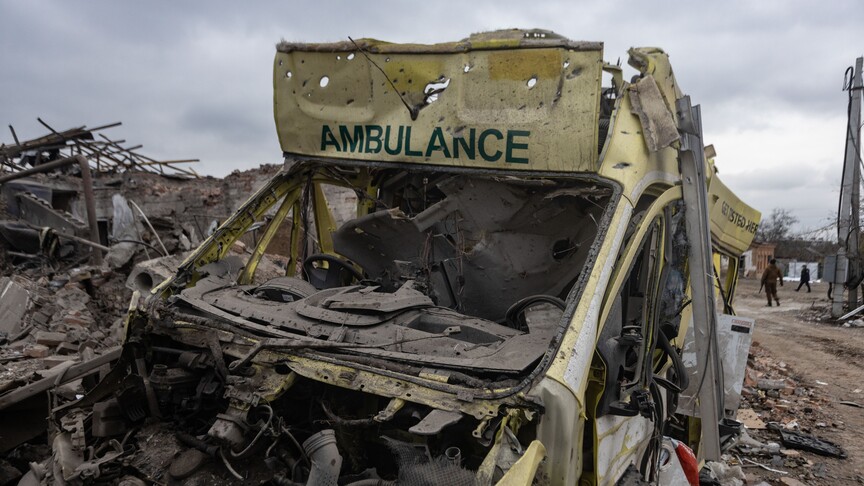
The attacks on 1 September killed at least 12 people and injured 20, with six casualties among railway workers when a depot in Kyiv was hit.
Earlier this year Ukraine reported a 94% interception rate of long‑range drones; but the new jet‑drone speeds demand new missile interceptors that can match that pace, according to deputy head of Ukraine's military intelligence, Maj Gen Vadym Skibitskyi.
Four Ukrainian defence firms are reportedly testing missiles capable of downing the Geran models, with the Defence Minister Yevhenii Khmara tasking them to produce thousands of the systems rapidly.
Analyst John Hardie of the Foundation for Defence of Democracies described the jet‑drone as a “poor man’s cruise missile,” noting the blurring line between drones and low‑end cruise missiles as capabilities increase.