In brief
The Kremlin has intensified its repression of dissent in 2026. Blogger Ilya Remeslo, who last March condemned President Putin as a war criminal, was remanded in custody for spreading false news about the military. Meanwhile, Boris Nadezhdin, a 63‑year‑old former MP who ran an anti‑war platform in the 2024 presidential election, was convicted of “displaying extremist symbols” and fined a modest 1,000 roubles, which blocks him from collecting the signatures required for the September parliamentary election. His capture follows a series of punitive measures that have left very few opposition politicians in Russia, a situation highlighted by the death of Alexei Navalny in February 2024. The two cases illustrate the lengthening legislative grip on free expression and political participation in Russia.
Russian crack‑down: anti‑war blogger detained, pro‑peace candidate barred
In a widening clamp‑down on dissent, the Kremlin has rounded up a known anti‑war blogger and shut a former MP from contesting the next parliamentary election.
Blogger Ilya Remeslo, once a faithful supporter of Vladimir Putin, stunned the Kremlin last March by declaring the president a “war criminal” and calling for his resignation. He was immediately accused of spreading false information about the armed forces and was placed in pre‑trial detention for two months.
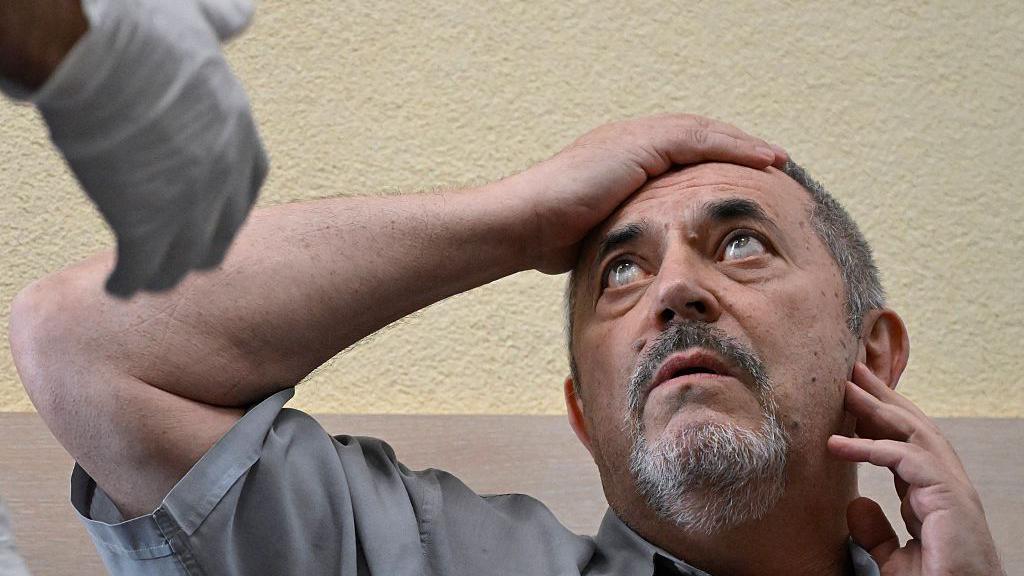
Severally, 63‑year‑old Boris Nadezhdin was convicted of “displaying extremist symbols” – a charge that has barred him from collecting the signatures needed to register as a candidate for the September Duma elections. The conviction carries a 1,000‑rouble fine and suspends his overseas travel.
Nadezhdin rose to prominence two years ago with an anti‑war presidential bid. His campaign was hindered when electoral authorities found flaws in his submission paperwork. After the allegations of “extremist symbols,” he was declared a foreign agent, a status that usually cuts a politician’s chances of running for office.
The two cases underscore the shrinking space for opposition in Russia. With most credible politicians in exile and Alexei Navalny dead in a Siberian penal colony, the U.S. and four other European governments now suspect that Navalny was poisoned rather than dying of natural causes.
Remeslo’s detention comes after he was sent to a psychiatric hospital for a month, which he says was retaliatory. Nadezhdin, who suffers from high blood pressure and diabetes, claims the charges are a pretext to silence him and prevent a Duma run, noting that his bank accounts have been frozen.
Russia’s tight grip on free expression and political participation raises concerns for the future of the country’s democracy, especially as polls suggest a gradual decline in President Putin’s popularity.