In brief
Ukrainian President Volodymyr Zelenskiy confirmed that real‑time US intelligence on Russian missile strikes is now functioning after a meeting in Oslo with former U.S. President Donald Trump’s envoy Steve Witkoff and Finnish President Alexander Stubb. The dialogue followed Kyiv’s accusations that Washington was withholding key data and was met with U.S. Secretary of State Marco Rubio’s firm denial of any intentional sidelining. Zelenskiy praised the flow of warning information, urged continued cooperation on missile interceptors and the Starlink satellite network, and reiterated Ukraine’s readiness for negotiations. Russia’s foreign ministry said it would listen to the envoy’s offers but rejected “any political concessions,” while President Vladimir Putin has yet to publicly respond. The developments come amid ongoing civilian casualties from Russian drone attacks and a strained U.S.–Ukraine relationship marked by public calls for a new Ukrainian president and a pause in certain sanctions.
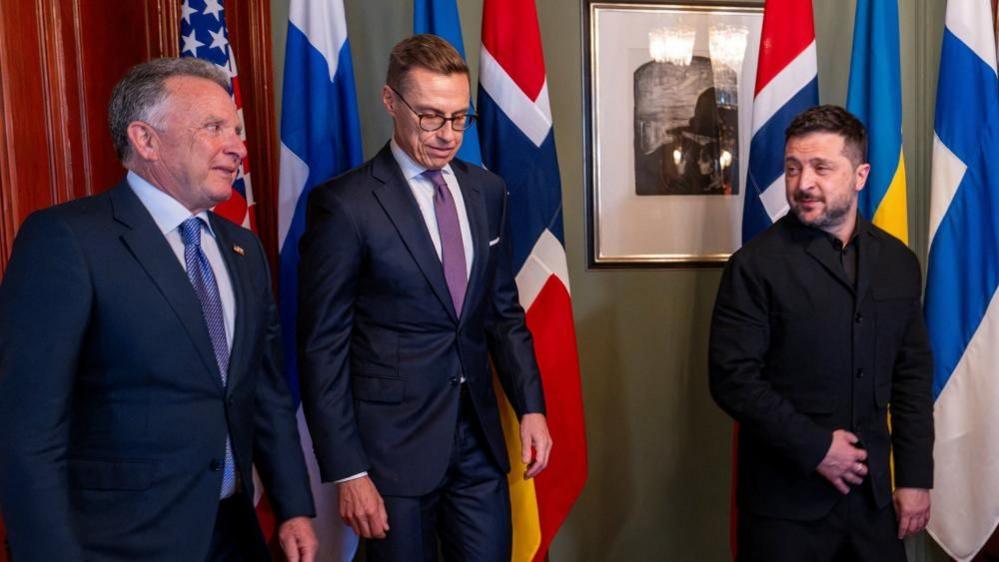
In a diplomatic breakthrough, Ukrainian President Volodymyr Zelenskiy announced that the United States is now effectively sharing real‑time intelligence on Russian missile strikes, following a meeting in Oslo with former U.S. President Donald Trump’s special envoy Steve Witkoff and Finnish President Alexander Stubb.
The statement came after Kyiv accused Washington of withholding critical warning data—a claim U.S. Secretary of State Marco Rubio dismissed as “scandalous.” Zelenskiy praised the improved flow of information and called for continued cooperation on missile defense systems, the Starlink satellite network, and other military support.
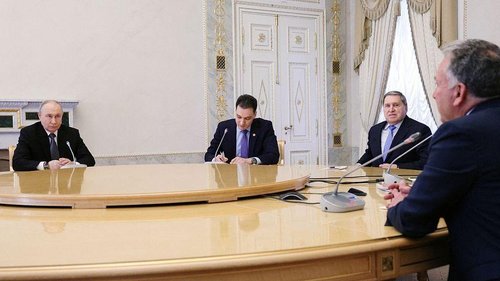
While the Oslo talks focused on information sharing and the future of peace proposals, all parties agreed that the next step would be a decision by Russia. Witkoff is expected to arrive in St. Petersburg later this week, where Moscow will be briefed on the agreed measures.
Russia’s foreign ministry says it will listen to the envoy’s offer but has ruled out “any political concessions.” President Vladimir Putin remains silent on the matter, but he faces growing pressure as Ukrainian forces continue to suffer from drone and missile attacks. Recent strikes have killed at least ten civilians in Kyiv, the Donetsk region and Dnipro.
The meeting deepened a strained U.S.–Ukraine relationship, with Trump publicly calling for Ukraine to negotiate a final settlement and even suggesting a new Ukrainian president. Vice‑President Vance said that while Kyiv is a partner, the two nations have “divergent interests” on issues such as Russian energy.
As the conflict drags on, Zelenskiy has reiterated Ukraine’s readiness to negotiate and that it is “not losing the war, but losing people.” The global community watches closely as these negotiations may shape the course of the prolonged war.