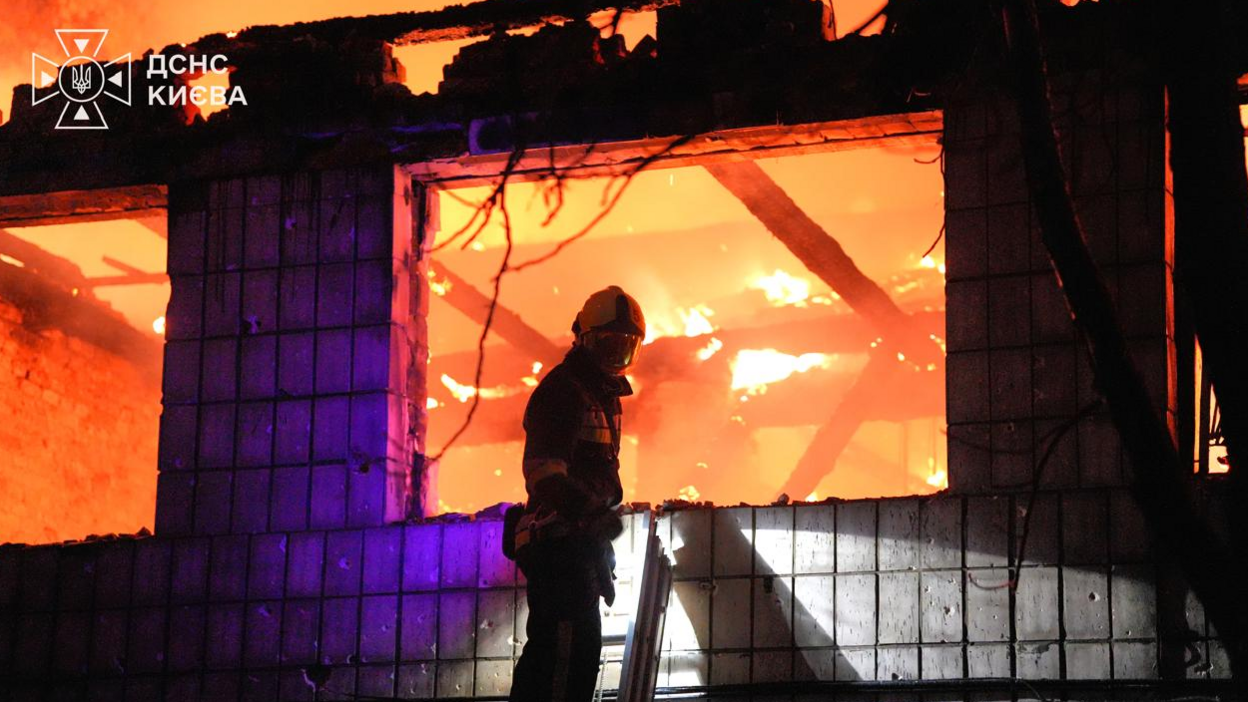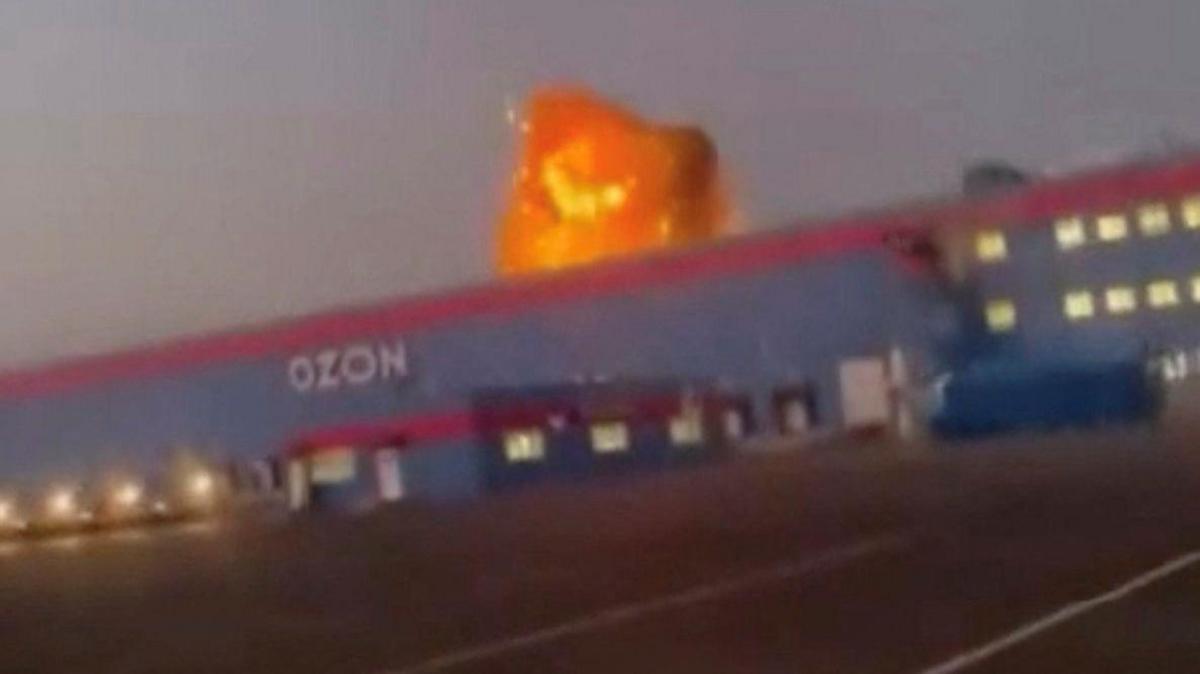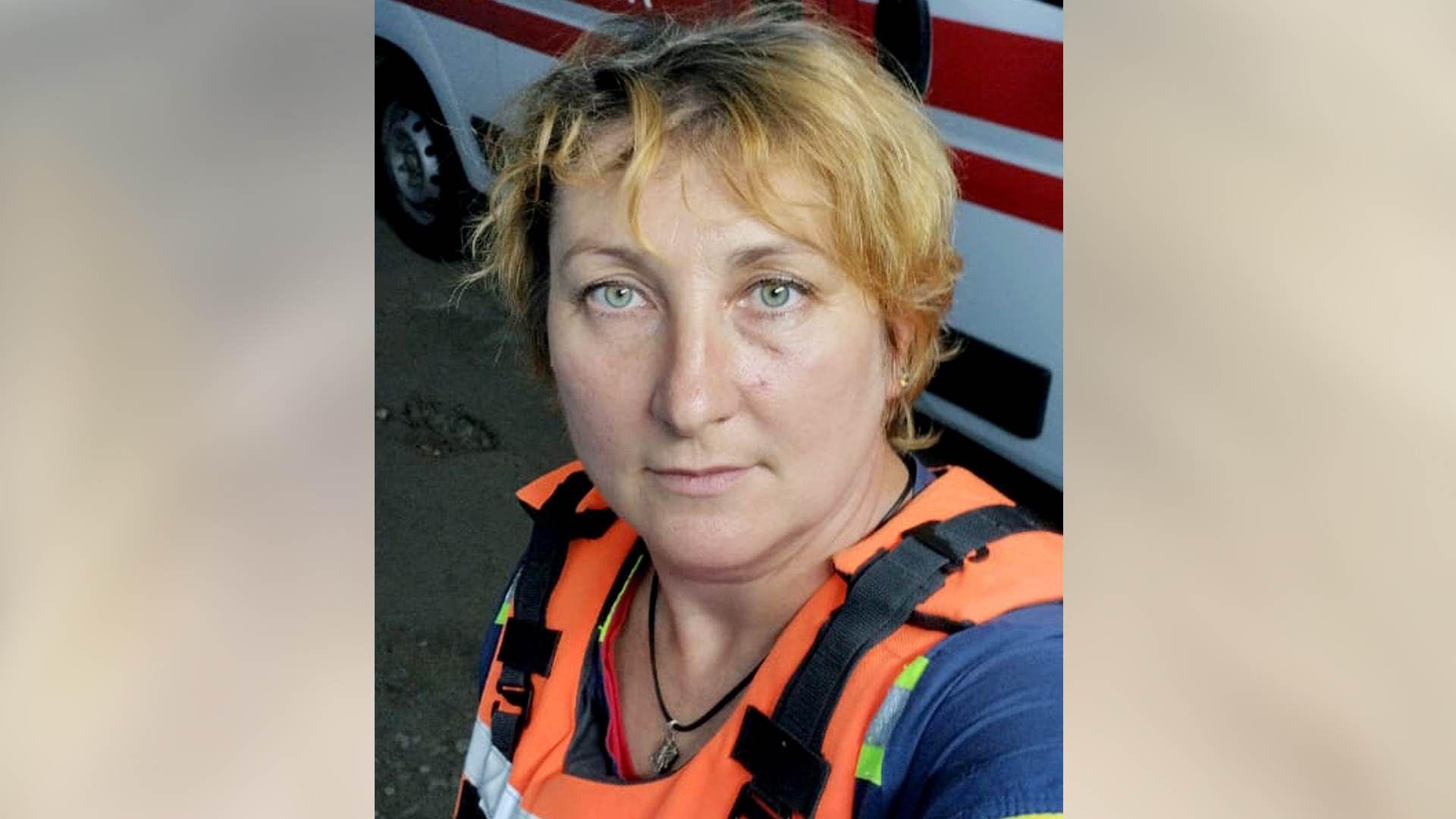
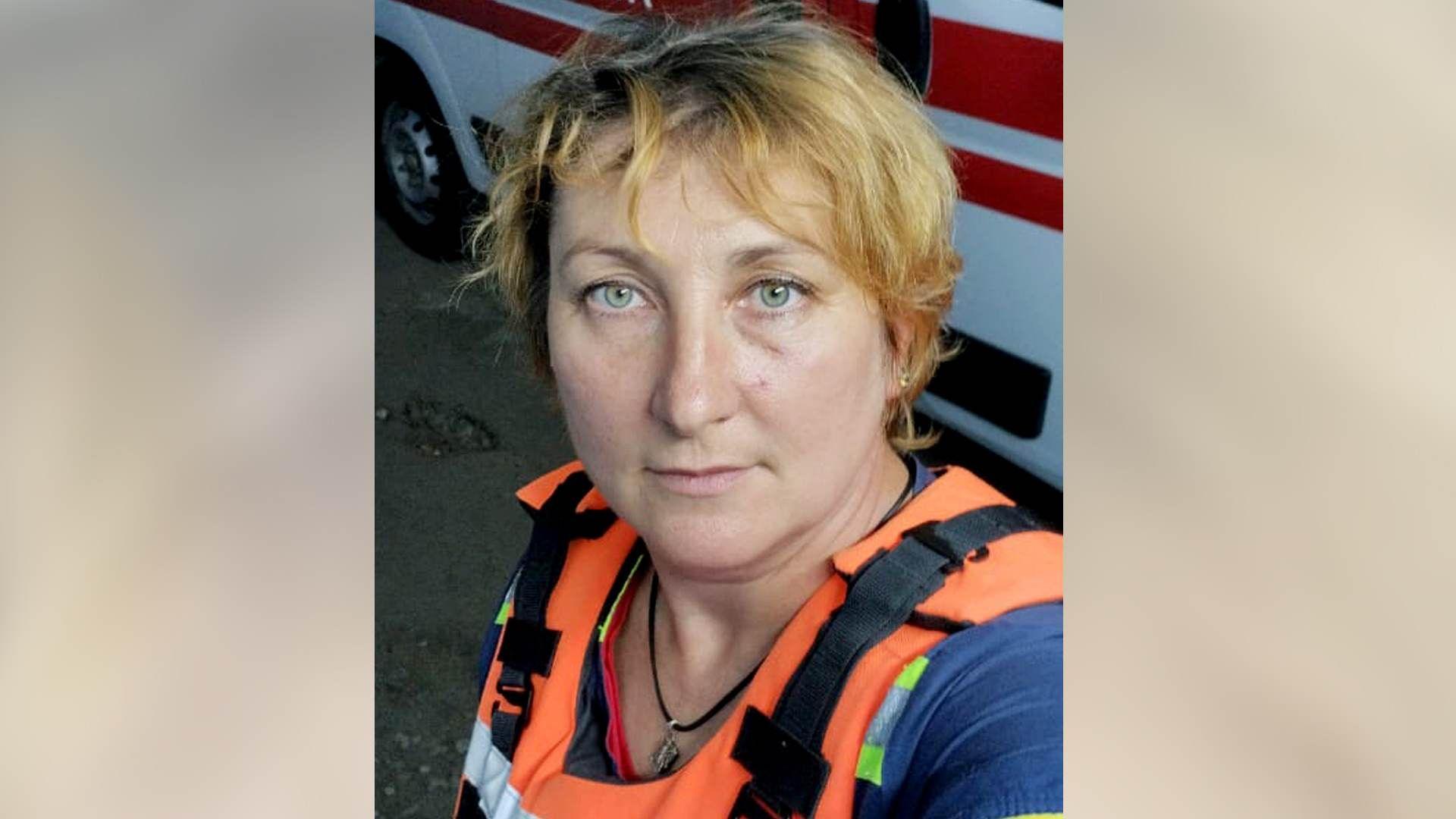
In the eastern Ukrainian city of Kherson, paramedic Inna Lytvynenko described a harrowing encounter with Russian drones while she was tending to a wounded woman.
"I panicked. I grabbed my trauma bag and started running," Lytvynenko told reporters. "I shouted and screamed. I knew that if I stopped, I would die." “Seconds later, I heard a buzzing sound in the sky; another drone was flying straight toward me, fast.”
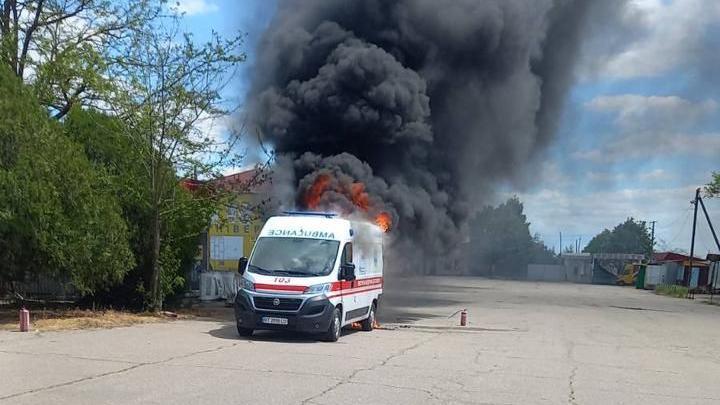
After a first drone hit her ambulance, a second FPV drone chased her for about ten minutes before eventually flying away. Police later picked her up, but other vehicles arriving to transport the injured woman were also targeted, with two more drones striking ambulances and police cars that day.
What Lytvynenko calls a “safari hunting” is part of a broader trend. Russia has increasingly used drones to target medical facilities—a violation of the Geneva Convention’s protection of humanitarian services.
WHO’s Ukrainian representative, Dr. Jarno Habicht, noted that 3,118 attacks on healthcare sites were registered since February 2022, averaging two cases per day. “Hospitals and ambulances in Ukraine are increasingly coming under drone and missile attack, even though they should be protected by all parties,” Habicht said.
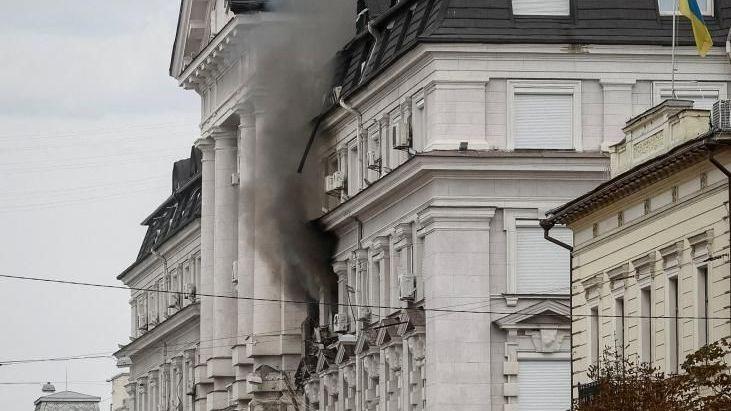
MSF’s recent report finds that Russia systematically and deliberately targets Ukrainian medical facilities. A missile strike last month hit a Kherson hospital, killing a doctor, while a series of three missiles struck the building in rapid succession, according to hospital director Olena Tymoshenko.
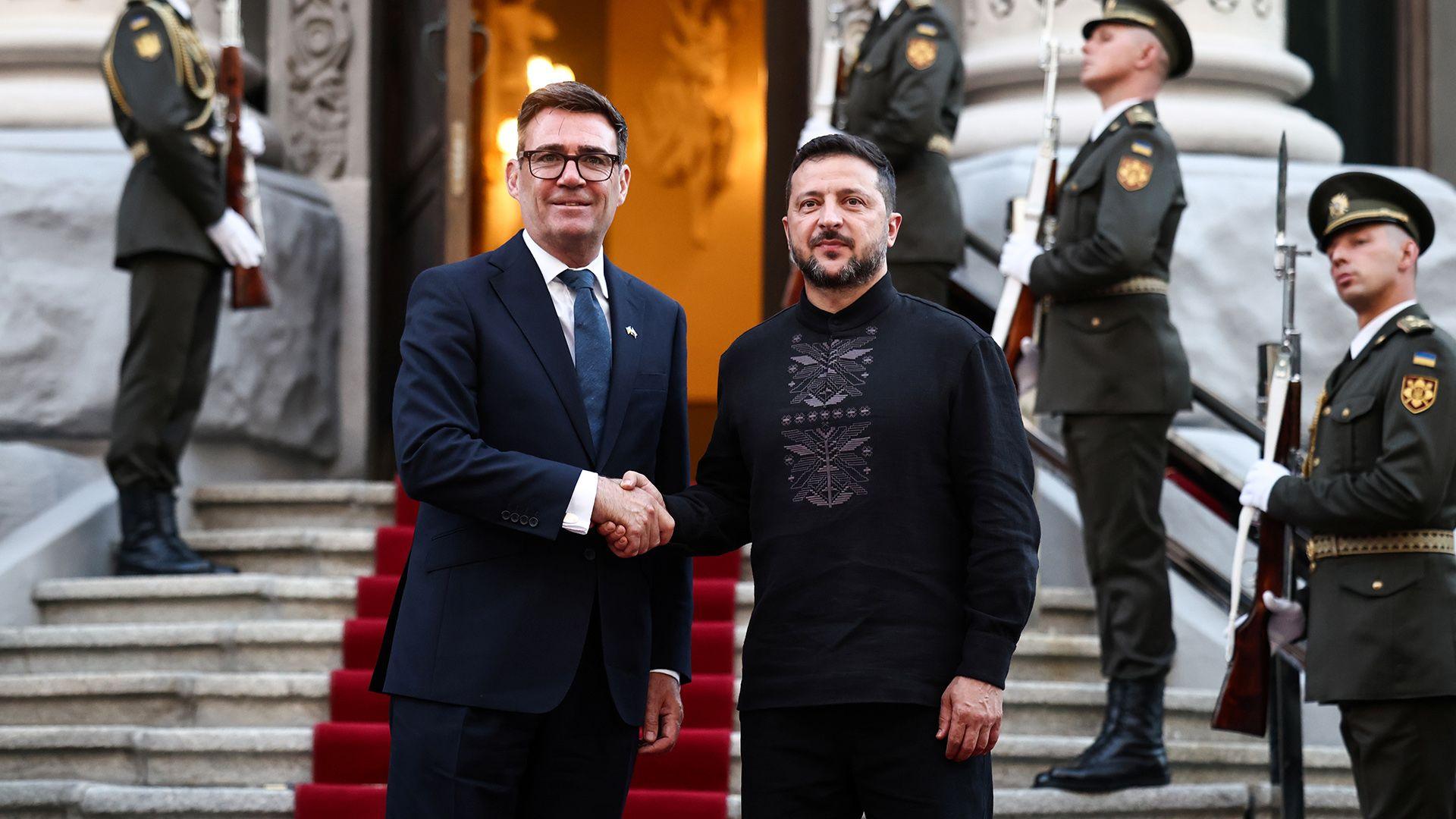
In response, President Volodymyr Zelenskiy has called for increased pressure on Russia to stop these “hunting attacks.” Polish‑based researchers warn that first‑person view drones—capable of live camera feeds—make strikes almost always intentional.
With drone ranges expanding, MSF has stopped visits to about 80 villages near the front in the past 18 months and halted ambulance services in the eastern city of Sloviansk. "We don’t feel protected in this environment, and the rules of war are not being respected," Meldrum, MSF country coordinator, says.
For civilians, especially the elderly and those with chronic conditions, the silencing of ambulances means delayed treatment or no access to lifesaving medication. The escalating threat of drones is increasingly isolating communities on the front line from essential healthcare.