In brief
Mikhailo Fedorov, the former defence minister who pioneered Ukraine’s drone warfare programme, has been dismissed last month following a dispute with the armed forces chief. In a BBC interview, he accuses the president of being unaware of potential corruption revealed by a recent money‑laundering investigation. Fedorov insists that democracy cannot be a hostage to Russian aggression and calls for the restoration of electoral politics, even though he has not ruled out a future presidential bid. His opposition, the public, staged protests demanding that Zelensky re‑appoint him, but the movement stalled when a replacement was confirmed. Meanwhile, Fedorov’s advocacy for rapid procurement and direct funding of new technology underscores his belief that Ukraine’s war strategy must not wait for bureaucratic delays.
After being dismissed in March, former Ukrainian defence minister Mikhailo Fedorov is demanding that President Volodymyr Zelensky answer a series of questions about corruption within his government.
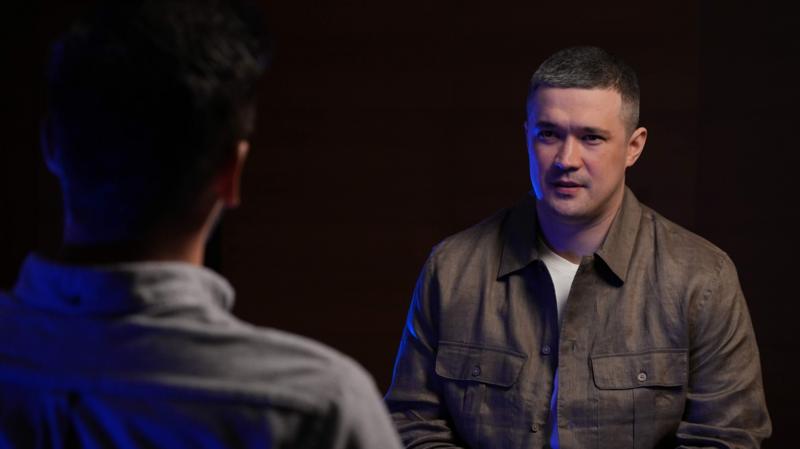
Fedorov, who built a reputation for modernising Ukraine’s armed forces and pioneering large‑scale drone strikes, was “sacked” last month in a clash with the head of the armed forces. In a BBC interview, he said a money‑laundering investigation launched last week has reopened doubts about whether the president was aware of corruption running in his inner circle.
He added, “If the president has any knowledge that a money‑laundering scheme is subsidising the defence ministry, then he has the duty to explain it. I will not make assumptions.”
While Fedorov insists he will now volunteer to help the country from outside the cabinet, he also stressed that a democracy must not be a hostage to Putin’s war. He stopped short of declaring any political ambition even though his recent YouTube video urged a return to presidential elections.
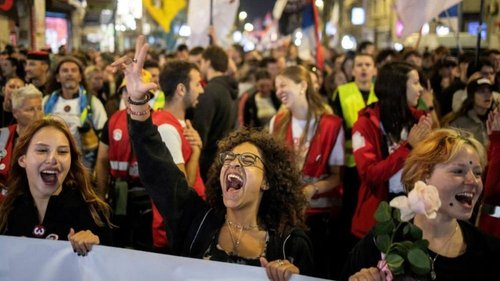
Since his dismissal, supporters have held weekly protests on Kyiv’s streets demanding his reinstatement. The demonstrations, however, ended when the ministry confirmed a replacement, and Fedorov’s video called for electoral reform was posted a few days later.
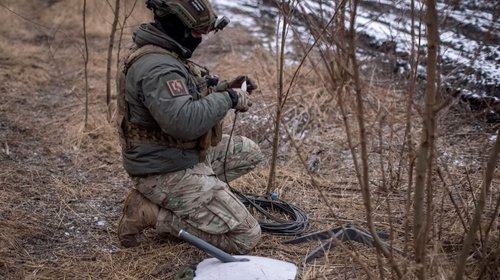
Amid the involvement of foreign aid, Fedorov highlighted how bureaucratic red tape and delays in delivering promised equipment from partners such as the United Kingdom are hindering Ukraine’s ability to fight on the frontline. “Governments can’t keep up with the realities on the ground,” he told the BBC.
In a broader sense, Fedorov’s commentary underscored a credit line: Ukraine’s focus on drone technology and satellite broadband, with Elon Musk’s Starlink playing a key role, should continue, he urged, so that the nation does not grow obsolete in the conflict.
Despite emphasising cyber‑defence and drone warfare as a replacement for traditional tank fighting, Fedorov said a career in politics remains a possibility if Ukraine can schedule elections again. He added that the only “moral right” he has is to initiate the conversation about sending ballots to the voters.