Saudi Arabia’s Dilemma: Staying Out of the US–Iran War
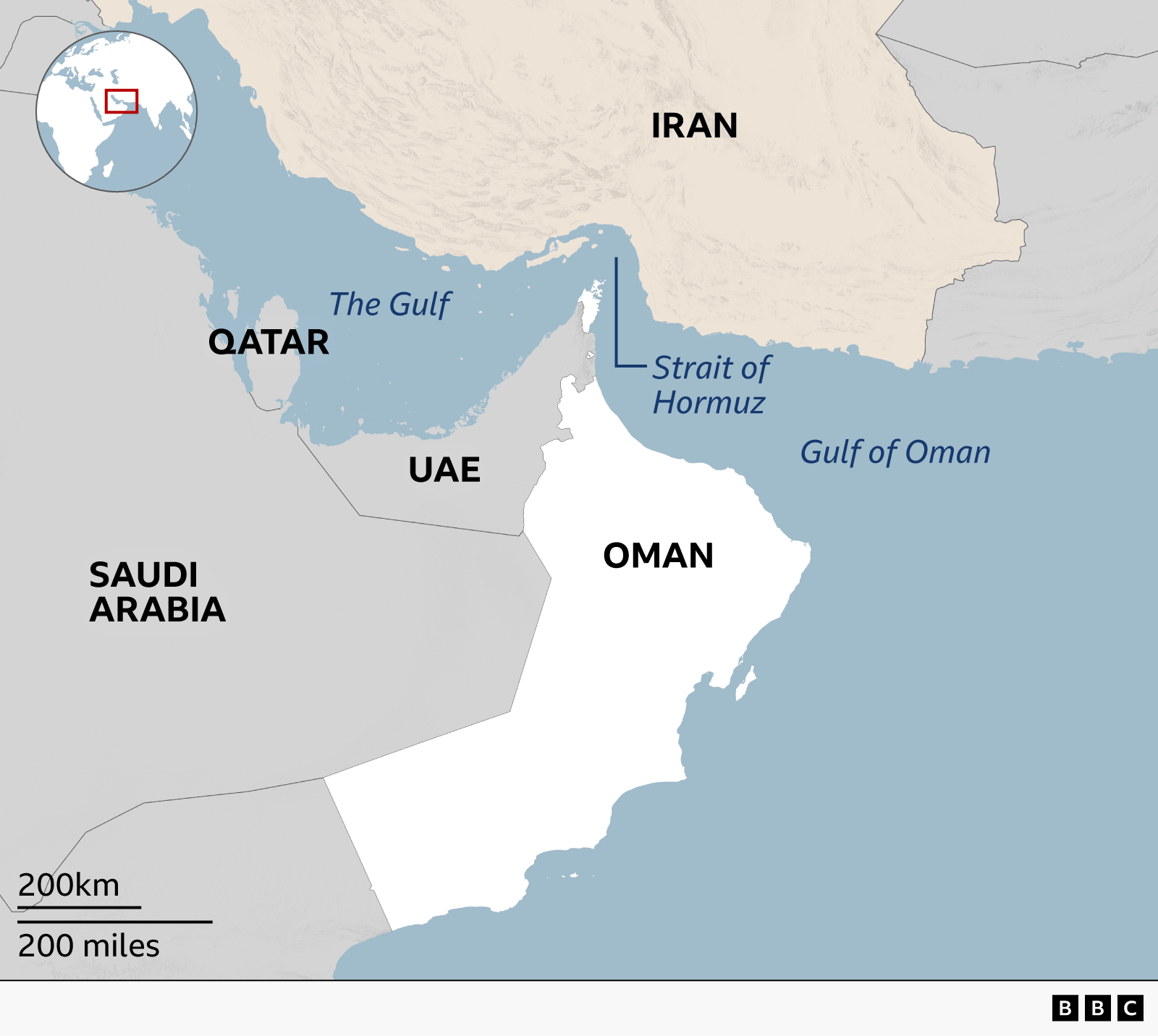
Since the United States and Israel launched a campaign against Iran on 28 February, Saudi Arabia has largely attempted to remain neutral. Still, a wave of drone and missile attacks coming from Iranian proxy groups in Iraq, Yemen and even the Gulf has shifted the kingdom’s posture.
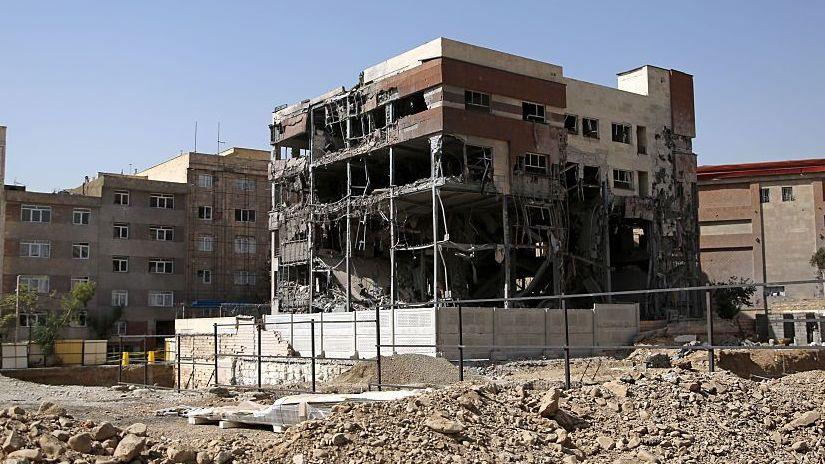
Last week Saudi forces, in cooperation with U.S. units, struck the Popular Mobilisation Forces’ facilities in Iraq that were blamed for a series of attacks on Saudi oil infrastructure. The joint incidents were a clear signal that Riyadh will no longer sit at the sidelines.
The dilemma for the Saudi leadership now is whether to continue retaliating as a deterrent or to pursue larger diplomatic solutions, perhaps including compensation payments to opposing militias. This choice is complicated by Crown Prince Mohammed bin Salman’s Vision 2030 programme, which aims to diversify the economy beyond oil while protecting the kingdom’s strategic assets.
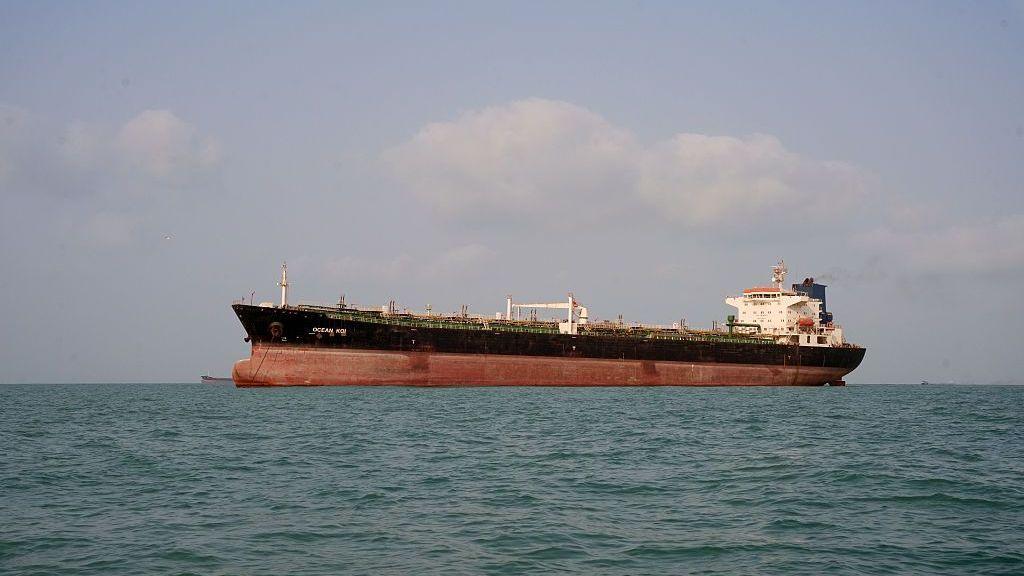
Beyond Iraq, the Houthi movement in Yemen has targeted Saudi airfields, such as Abha and Jizan, and even commercial shipping in the Bab el Mandeb strait, threatening vital commercial routes and the kingdom’s export strategy.
Now, with five‑million barrels of oil flowing through Riyadh’s east‑west pipeline and a potential for escalating conflict, Saudi Arabia’s decision will influence not only its national security but also the balance of power in the Middle East.