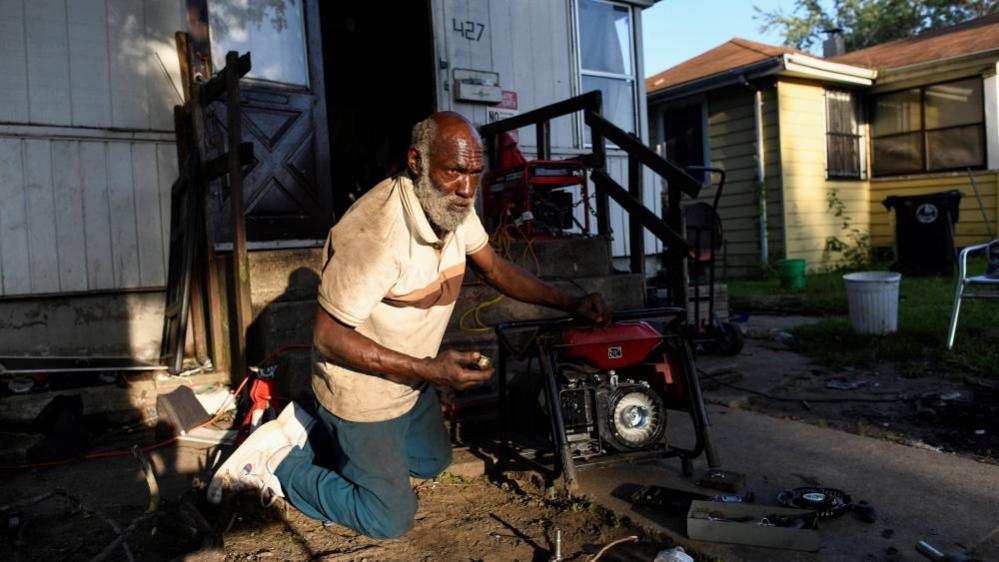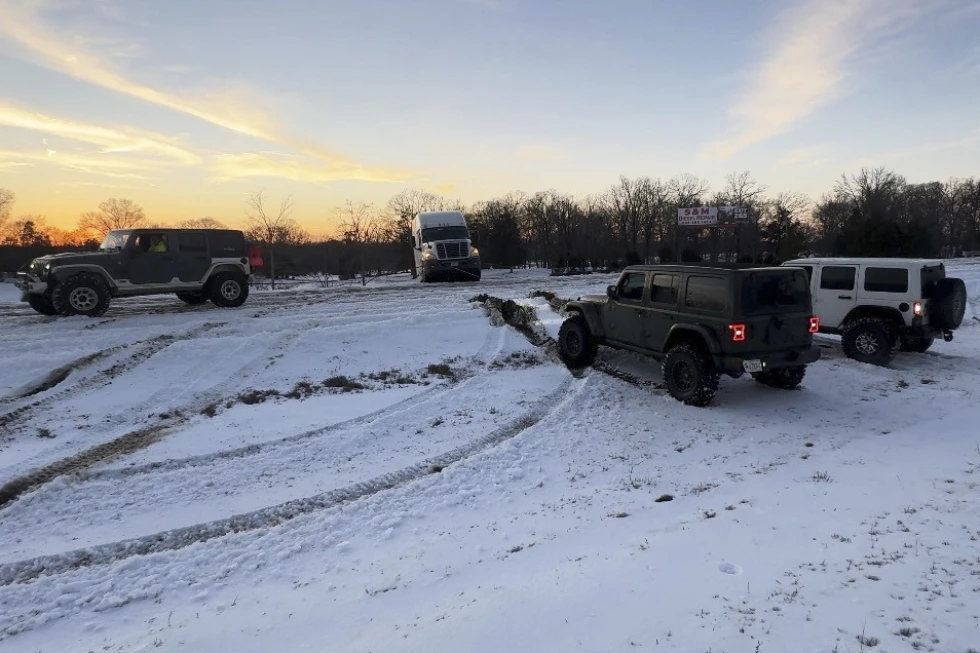
BELZONI, Miss. (AP) — A new wave of frigid weather is sweeping across the U.S. South, posing heightened risks of hypothermia for residents in areas of Mississippi and Tennessee who find themselves stranded at home without electricity for nearly a week amid subfreezing temperatures.
“The longer you’re exposed to the cold, the worse it gets,” Dr. Hans House, a professor at the University of Iowa, warned. “Initially, our bodies can adapt, but prolonged exposure becomes dangerous.”
Forecasts predict a drop in temperatures to the teens (minus 10 degrees Celsius) in cities such as Nashville, where over 79,000 homes and businesses remain powerless since a significant winter storm hit, leaving behind a trail of snow and ice.
Those most affected include the elderly, infants, and people with pre-existing health conditions who may start showing symptoms of hypothermia soon after continuous exposure to the cold, noted Dr. Zheng Ben Ma from the University of Washington Medical Center.
Amid the ongoing crisis, the Mississippi and Tennessee National Guard mobilized troops to offer assistance to individuals trapped in their homes or vehicles. This includes delivering essential supplies like meals and blankets.
Governor Tate Reeves of Mississippi highlighted efforts to provide aid, while Governor Bill Lee of Tennessee acknowledged the distribution of warming supplies throughout the affected areas.
Despite increased workforce mobilization to restore power in Nashville, including the record number of utility crews, the timeline for full restoration remains uncertain, particularly in less accessible areas.
As the southern states grapple with harsh conditions, the death toll linked to this severe cold has reached at least 85 nationwide, with investigations ongoing to determine causes, including exposure and carbon monoxide poisoning from indoor heat sources.
With over 230,000 properties still without power as of Thursday night, Mississippi reported it was facing its worst winter storm since 1994, leading to the opening of approximately 80 warming centers statewide.
Weather experts warn that subfreezing temperatures could linger into February, and additional snow might arrive in the eastern U.S., particularly in regions from Virginia to North Carolina. The National Weather Service has expressed concerns over the impending freezing rain and light snow showers that could further complicate recovery efforts.