WASHINGTON (AP) — Amid the growing threat of federal interventions, Denver Mayor Mike Johnston has expanded his strategies from natural disaster preparedness to addressing potential government overreach. Following the deployment of National Guard troops in various cities without local consent, Johnston has been evaluating the ramifications of federal actions on access to essential services and local elections.
“We used to prepare for natural disasters,” Johnston explained, reflecting on the current state of affairs. “Now we prepare for our own federal government.”
This month, leaders from various political backgrounds have expressed their unease regarding an increasingly antagonistic relationship with Washington. The Minneapolis killings of two citizens by federal agents have heightened this climate of tension and distrust, prompting local officials to reevaluate their partnerships with the federal government.
“This is unprecedented,” shared Fresno Mayor Jerry Dyer, a Republican, who noted that federal law enforcement is engaging with cities without local police cooperation. The integrity of communities is at stake as leaders articulate their concerns about federal power overshadowing local governance.
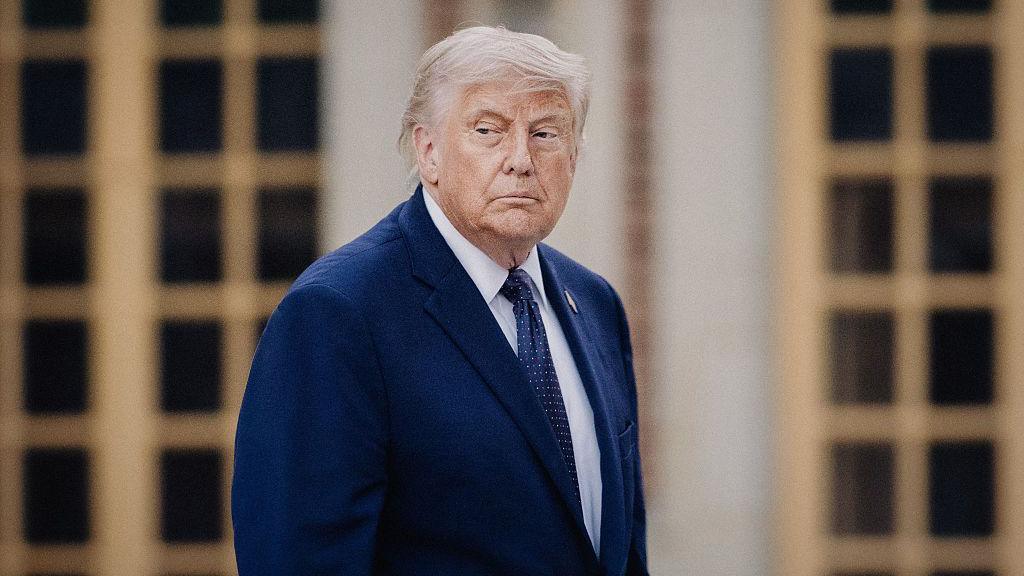
Last week, Democratic governors joined in protesting what they perceive as federal overreach, as Kentucky’s Governor Andy Beshear remarked on the violation of constitutional norms. This outcry reflects growing dissatisfaction with the Trump administration’s heavy-handed approach to governance that has seen local leaders feeling pressured to conform to federal policy.
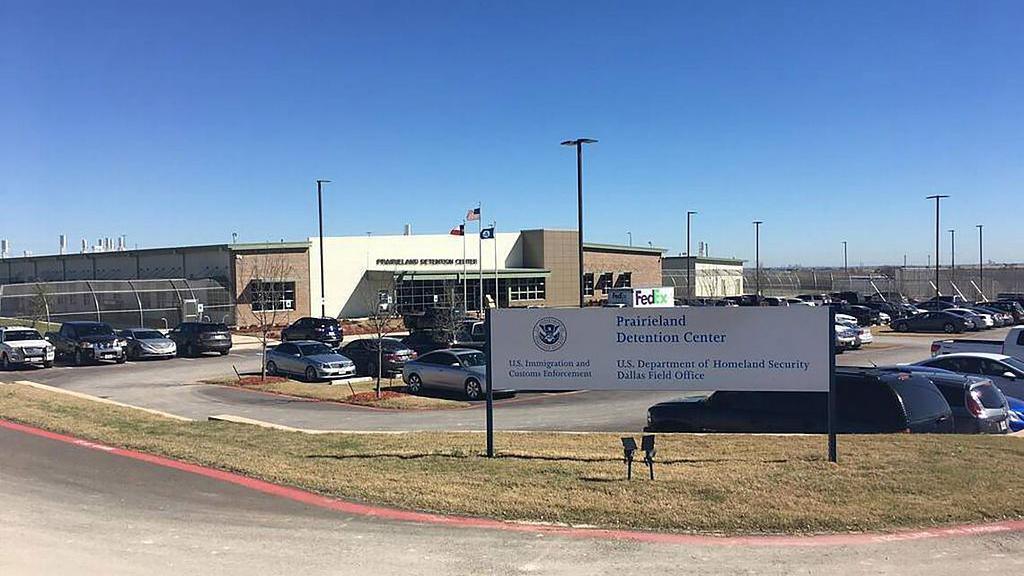
Complicating the issue further, Trump has voiced frustrations with Democratic states insisting that federal law enforcement should ideally work in tandem with local leadership while pushing policies that favor stronger immigrant control—a move many mayors find conflicting with community needs and values.
As tensions rise, Trump has tried to mitigate conflicts by reshuffling leadership within federal agencies, showcasing a dilemma local leaders face as they weigh their dependency on federal funding against their principles regarding local governance. This complex dynamic suggests a potential long-term restructuring of government relationships at various levels as local officials navigate their legal and ethical obligations amidst federal directives.
In conclusion, as mayors like Jacob Frey in Minneapolis describe the federal presence as an invasion, the foundation of trust linking local governments to federal authority appears frail—forcing local leaders to adopt a more defensive posture as they contend with emerging threats to their elected responsibilities.