In brief
Somali pirates have intensified attacks on cargo ships after a surge of hijackings this year, linked to the US‑Iran conflict that has tightened blockades in the Gulf. Two vessels were seized in the Gulf of Aden last week, prompting unprecedented drone strikes against pirate groups. The conflicts in the Strait of Hormuz and the Bab al‑Mandeb have diverted commercial shipping closer to Somalia, giving pirates an opportunity. Authorities and international navies have responded with drone strikes and naval patrols, but economic and security conditions in Somalia remain fragile.
Somali piracy rises as US‑Iran war spurs maritime chaos
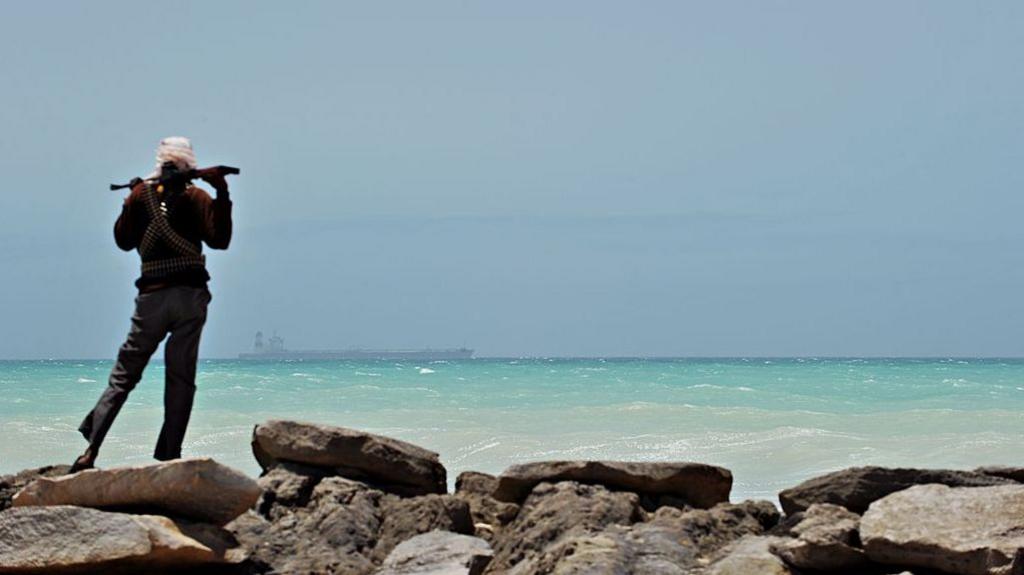
Somali pirates have hijacked 13 vessels since the start of 2024, a surge that follows the intensification of the ongoing US‑Iran conflict and related blockades in the Gulf. Two cargo ships were seized last week in the Gulf of Aden, prompting an unprecedented series of drone strikes against the pirate groups.
The rise is the strongest in more than a decade and raises fears that the essential maritime corridor to the Red Sea could become even less secure. "Piracy is always a crime of opportunity," says Omar Mahmood, an ICG analyst, adding that pirates are now loooking to low‑patrol waters for easy gains.
Blockades push ships south
The US–Iran standoff has closed the Strait of Hormuz while Yemen’s Houthi hauls a blockade at the Bab al‑Mandeb, forcing shipping to skirt the Somali coast. This diversion has meant that commercial vessels are now more frequently passing the region, creating a wider window for pirate operations.
"There is less naval patrolling but more ships nearby," says Mahmood, noting that a successful attack encourages copy‑cat incidents. He hints at a possible link between Somali pirates and Yemeni competitors, but declines to point fingers at Iran’s Houthi faction.
The MV Lutuf and new tensions
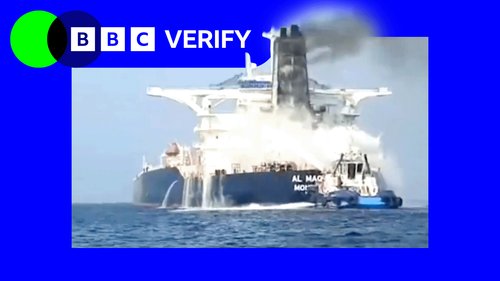
The most recent hijack took a Cameroon‑flagged ship, the MV Lutuf, off the Puntland coast on 17 August. Subsequent drone strikes killed 13 men tied to a network that supplies the pirates. While Turkish officials claim the vessel carried weapons, the Somali government sees it as evidence of a larger threat.
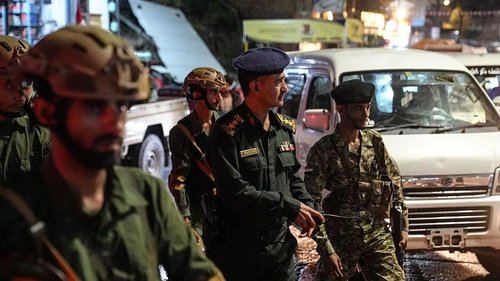
Six international warships – two from Turkey and one each from Spain, Denmark, the US and India – are now reported to patrol the waters around the Lutuf, though the BBC could not confirm their presence. The Somali authorities have urged quicker diplomatic responses to the escalating situation.
What does this mean for shipping?
Piracy attacks on oil tankers are especially lucrative, and the current climate encourages more frequent seizures. The lack of resolved conflict to the north has twisted security dynamics, leaving Somali piracy very likely to persist unless global naval deterrence recovers.
Images