In brief
In Rawalakot, a volunteer doctor’s bedroom‑turned-clinic treats dozens of critically injured protesters amid clashes fueled by demands for basic rights. The area’s ongoing local elections add pressure on security forces, who claim the protests are militant. Families, like Asma and Salman, mourn lost loved ones while calling for accountability, while authorities warn of infiltration by armed elements. The scene reflects the broader conflict in Pakistan‑administered Kashmir, where civilian access to food and healthcare is curtailed and violence escalates. The BBC’s first access reveals a tense situation that could flare without a clear resolution.
Clinic Overburdened by Wounded Protesters
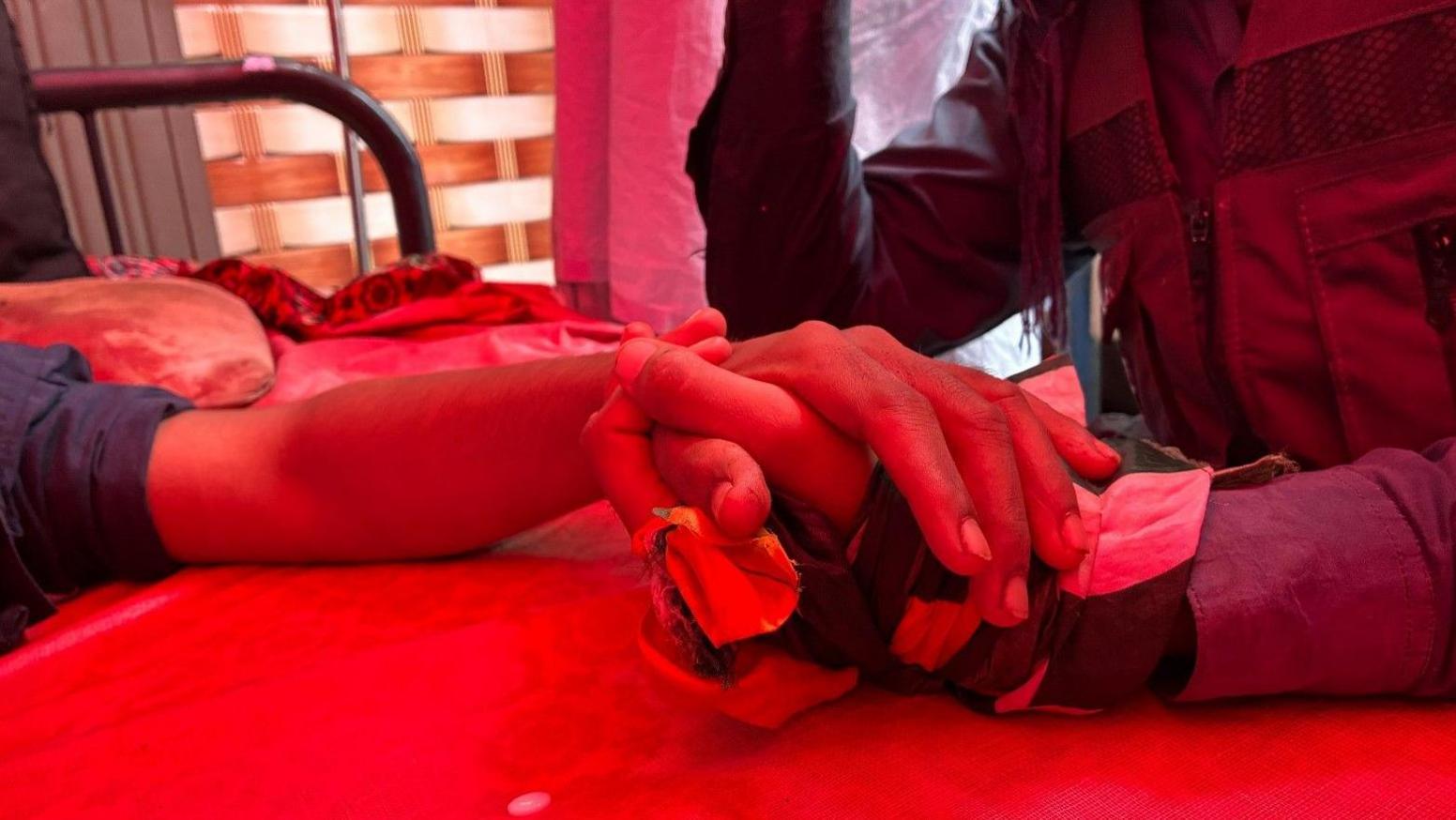
A spare bedroom in Rawalakot has become the city’s emergency department, with a red tarpaulin‑covered bed holding a young man shot in the chest. Dr. Anwar, who leads the makeshift clinic, admits she can treat superficial wounds but advanced trauma lies outside her reach. Since July 27, she has managed 50 to 60 critically injured patients, 15 to 20 of them with gunshot wounds, and treats almost all civilians as they risk arrest or further harm if they reach the main hospital.
Violence Amid Local Elections
The city is currently holding local elections, a backdrop that inflames tensions. Thousands of voices—students, parents, and workers—speak out for lower electricity, better education, and health care. The Joint Awami Action Committee (JAAC) claims the protests are peaceful but the government deems them armed and threatening the electoral process, refusing to allow marches to Muzaffarabad. JAAC declares it has not been funded by India and remains banned since June.
Families’ Story of Loss
Asma, who attended the protest, said her only son was shot and she was left crying but steadfast, insisting they “are not terrorists.” Salman’s brother died while the protest was in action, and he mourned the loss, yet was proud of the son’s moral stand. Ayub, a retired military officer, blamed the enforcement of paramilitary forces in the region, not the government or his father’s actions, describing the violence as extreme injustice.
Restrictions and Rumours
Roads to Central Rawalakot are blocked by fallen trees; authorities say JAAC planted them, while protesters claim they obstruct aid delivery. Food shortages spread, shops shuttered, only small consignments of rice smuggled on motorbike backs. The government maintains that military forces only responded to attacks and that security checkpoints were set to facilitate supplies, not blockade.
Uncertainty and Rising Tension
In the face of repeated gunshots heard at night, prisoners, and the stopping abuse, the dogs mix of unverified claims, infiltration allegations, and ongoing starvation paints a bleak future. Though the JAAC claims it is ready to talk, they plan more protests, deepening uncertainty. The BBC witnesses that at no point were weapons in sight during the day but the atmosphere remains fraught, leaving families and medical workers in an ongoing crisis of hope and fear.