In brief
Sony Music has taken substantial steps to combat the growing issue of AI-generated 'deepfakes' impersonating major artists, requesting the removal of over 135,000 unauthorized tracks from streaming platforms. The rise of these tracks is harming legitimate musicians financially, particularly during album promotion periods. Industry leaders call for more transparency and tools to identify and label AI-generated content.
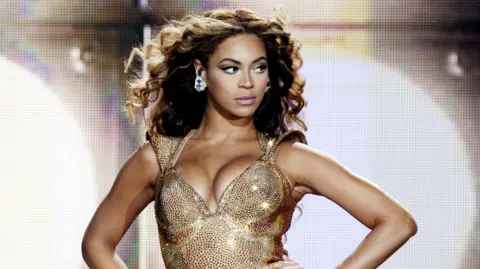
Music giant Sony Music says it has requested the removal of more than 135,000 songs by fraudsters impersonating its artists on streaming services. These so-called deepfakes were created using generative AI technology and targeted some of the company's biggest acts, including Beyoncé, Queen, and Harry Styles. Sony claims that the proliferation of such counterfeits causes direct commercial harm to legitimate recording artists, especially those promoting new albums. In the words of Dennis Kooker, president of Sony's global digital business, In the worst cases, [the deepfakes] potentially damage a release campaign or tarnish the reputation of an artist. The company has observed a surge in the number of songs generated in this fashion as AI technology becomes more accessible and less expensive. Sony believes its efforts have only identified a fraction of the total unauthorized tracks currently uploaded. Since the previous March, roughly 60,000 misrepresented songs have been flagged, impacting artists such as Bad Bunny, Miley Cyrus, and Mark Ronson. The potential damage caused by deepfakes is exacerbated when artists are actively promoting their music, according to Kooker. At a recent music industry event, it was noted that recorded music revenues increased by 6.4% last year, totaling $31.7 billion, marking the 11th consecutive year of growth in the industry. However, the rise of AI has also drawn attention to other forms of online fraud, with unofficial sources estimating that up to 10% of all streaming content may be fraudulent. Industry experts are now pushing for better identification and labeling of AI-generated content to protect both musicians and the integrity of streaming services.