In brief
Savannah Guthrie's emotional plea for her kidnapped mother raises concerns about the reliability of proof of life in the age of deepfakes. As law enforcement advises caution against AI-manipulated images, the search for Nancy Guthrie continues without any identified suspects. Investigators stress the importance of rigorous verification processes amidst evolving ransom demands.
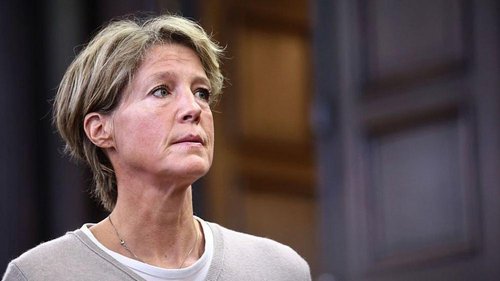
In a powerful and emotional address, Savannah Guthrie made a heartfelt appeal to the kidnapper of her 84-year-old mother, Nancy Guthrie, for authentic proof of life. During her plea, she expressed concerns about the prevalence of deepfake technology, stating, We live in a world where voices and images are easily manipulated. This modern dilemma complicates the previously straightforward concept of providing proof of life, which in the past could have simply involved sending a clear photo or video.
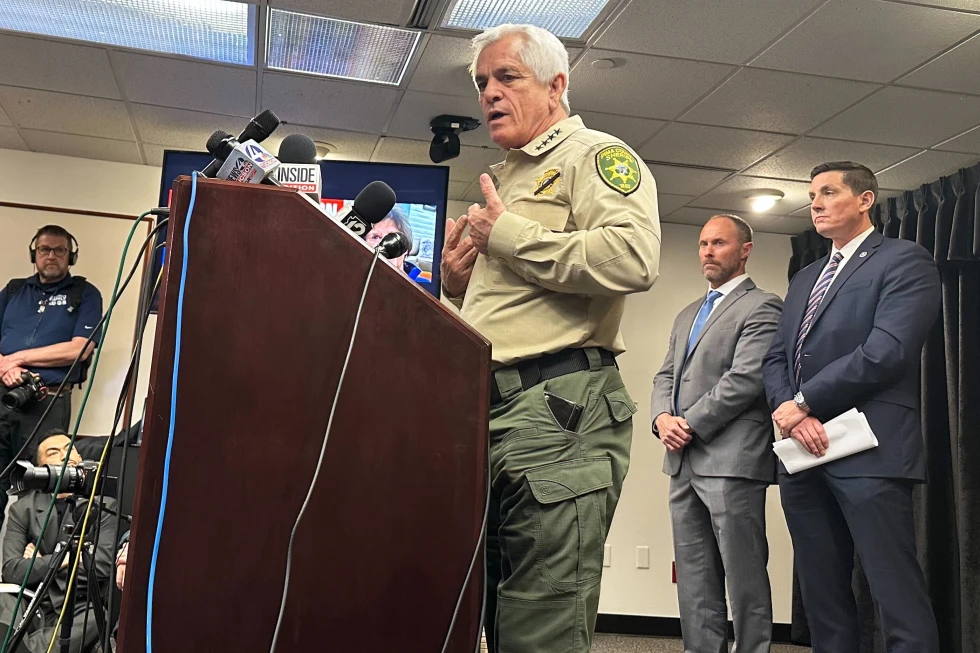
FBI officials echo these concerns, with Phoenix FBI chief Heith Janke noting that advancements in AI have made it possible to create remarkably realistic videos that could mislead authorities. The phrase 'proof of life' no longer guarantees authenticity, leaving families with sickening uncertainty in such tragic situations.
As Nancy Guthrie's disappearance from her Tucson home remains under investigation, law enforcement faces challenges not just from high-tech methods employed by criminals but also from older tactics like ransom letters that have evolved into digital forms. Agencies have flagged numerous ransom notes, and although investigators maintain they believe Nancy Guthrie is still alive, no suspects have been identified.
Recent developments involved a California man charged for sending messages to the Guthrie family seeking bitcoins, while officials affirm he is not suspected in Nancy's kidnapping.
In her video, Savannah implored the kidnapper, indicating her family is both willing to negotiate and desperate for evidence that their loved one is alive. Experts emphasize this approach is tactical, facilitating communication while reinforcing the family's urgency.
Katherine Schweit, a former FBI agent, cautioned that the potential for manipulation via shared images heightens the stakes, urging that each piece of evidence, especially in today's digital landscape, warrants thorough examination.
As the family remains in despair and hope, law officials communicate the pressing need to blend traditional investigation with modern technological scrutiny, reassuring families that their expertise does extend to any kidnapping situation.