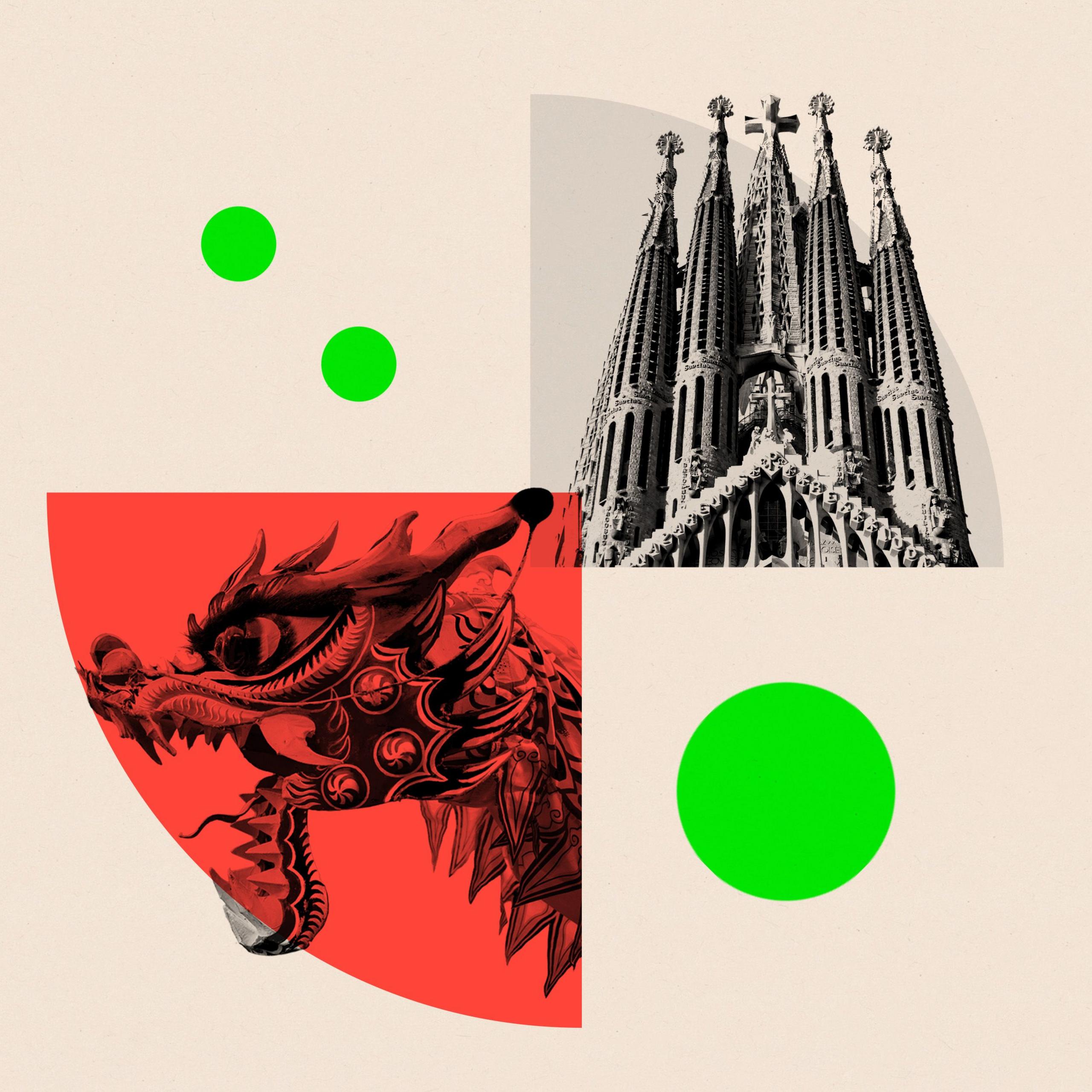

In Barcelona’s colourful streets, Shanghai’s first honor as the city of Merce unfolded with bright red dragons, twirling acrobats and lanterns that floated above a crowd of awe‑struck onlookers. The entertainment, staged beside the historic Sagrada Familia, intertwined with the fealty of the local Catalan pipers and showcased a genuine, albeit public, solidarity between Madrid and Beijing.
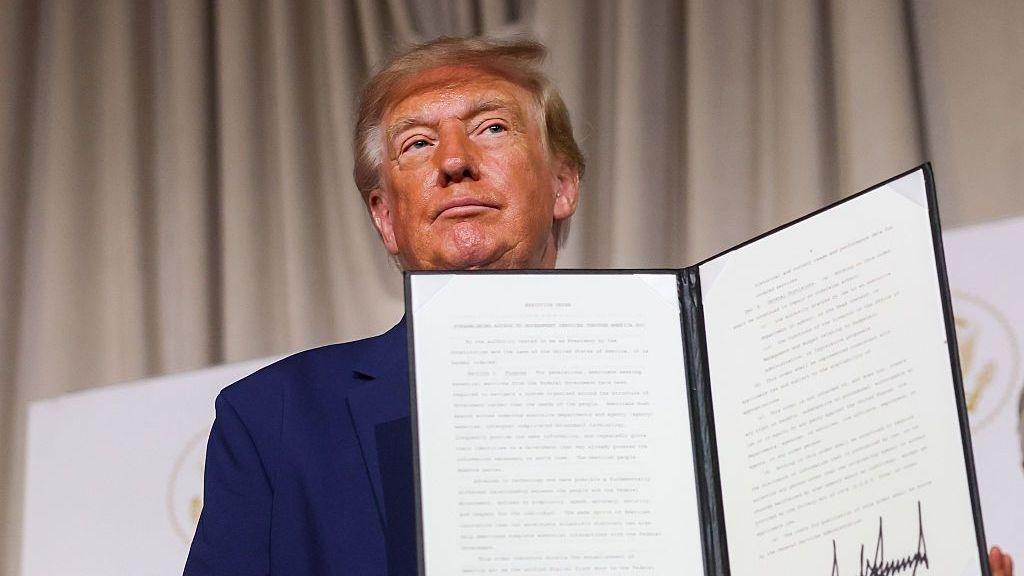
Shanghai Vice‑Mayor Lu Shan, who flew in for the opening ceremony, noted that Spanish and Chinese cultures differ “in form” yet share a “common spirit,” a sentiment echoed by Spanish Prime Minister Pedro Sanchez, who sees China as a vital partner as U.S. policy in Europe has grown unpredictable after Donald Trump’s re‑election two years ago.
Within the EU, the Spanish embrace has provoked criticism. Leaders in Germany, France and Italy vocalise concern that China’s quick market access—marked by rising investment in Spanish battery gigafactories and automotive plants—could undermine cohesion and tilt the single market toward a China‑centric dynamic.
Security alarms have also been raised, most prominently after Madrid awarded Huawei a €12.3 m contract to store and manage sensitive judicial wire‑tap data. Critics argue that a high‑risk vendor threatens to expose European data infrastructures, potentially weakening intelligence‑sharing across the bloc.
Spain is not alone in seeking alternative strategic routes. Finland, feeling uneasy about Russian proximity and unsure of U.S. commitments, has purchased Israeli air‑defence systems, while Greece, faced with a persistent threat from Turkey, signed its largest‑ever arms deal with Israel—a partnership that, though stabilising its national security, runs counter to many EU public‑discourses.
These emerging alliances raise a broader question: can the European Union maintain a unified stance when its members elect to strengthen individual ties with external powers—whether China, Israel or others—without diluting collective defence and economic policy?