As he left the chambers of the U.S. Supreme Court, Nevada Secretary of State Cisco Aguilar texted his staff 3,000 miles away. His directive: prepare for how November’s midterm elections will be run if the high court changes the rules regarding mail-in ballots.
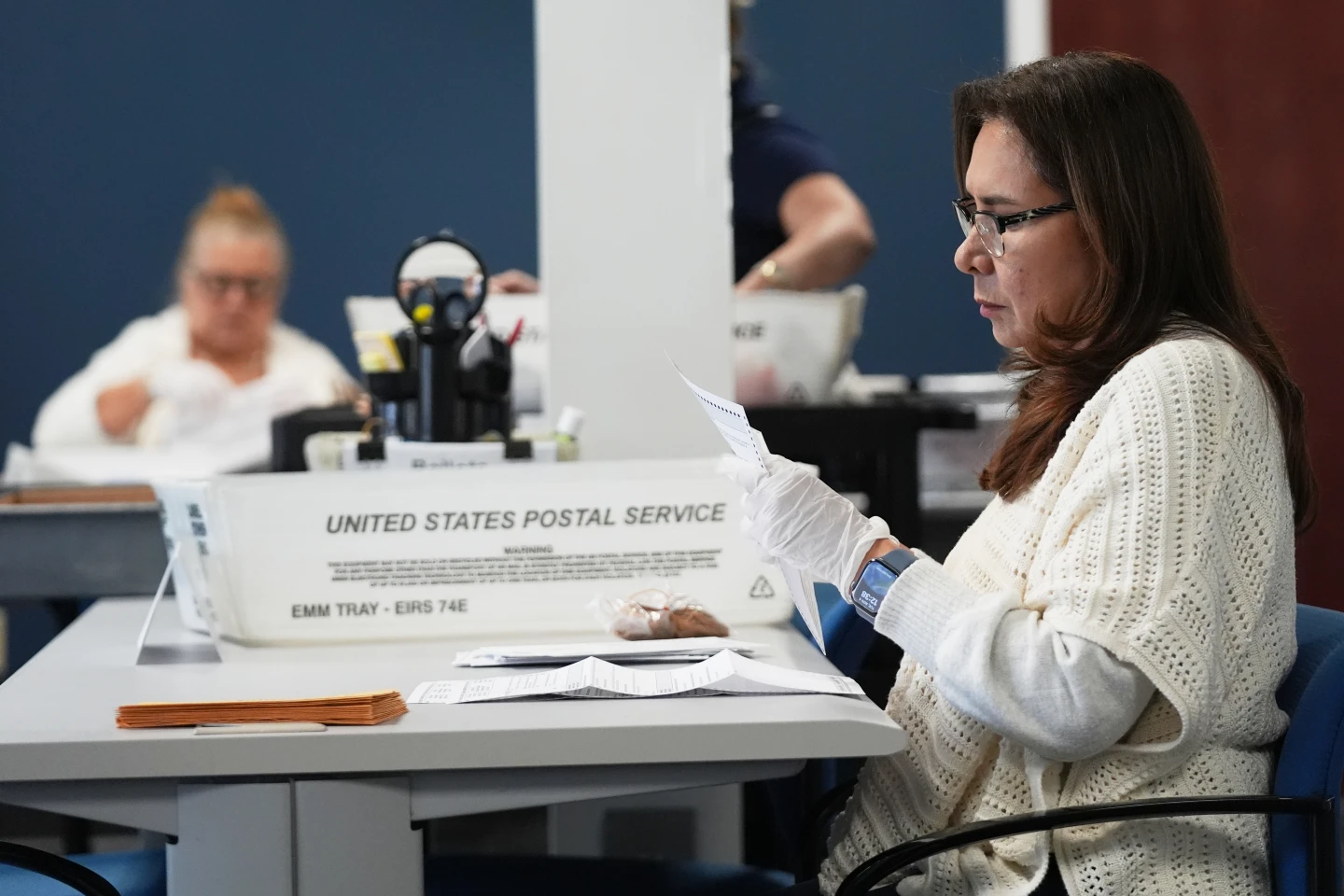
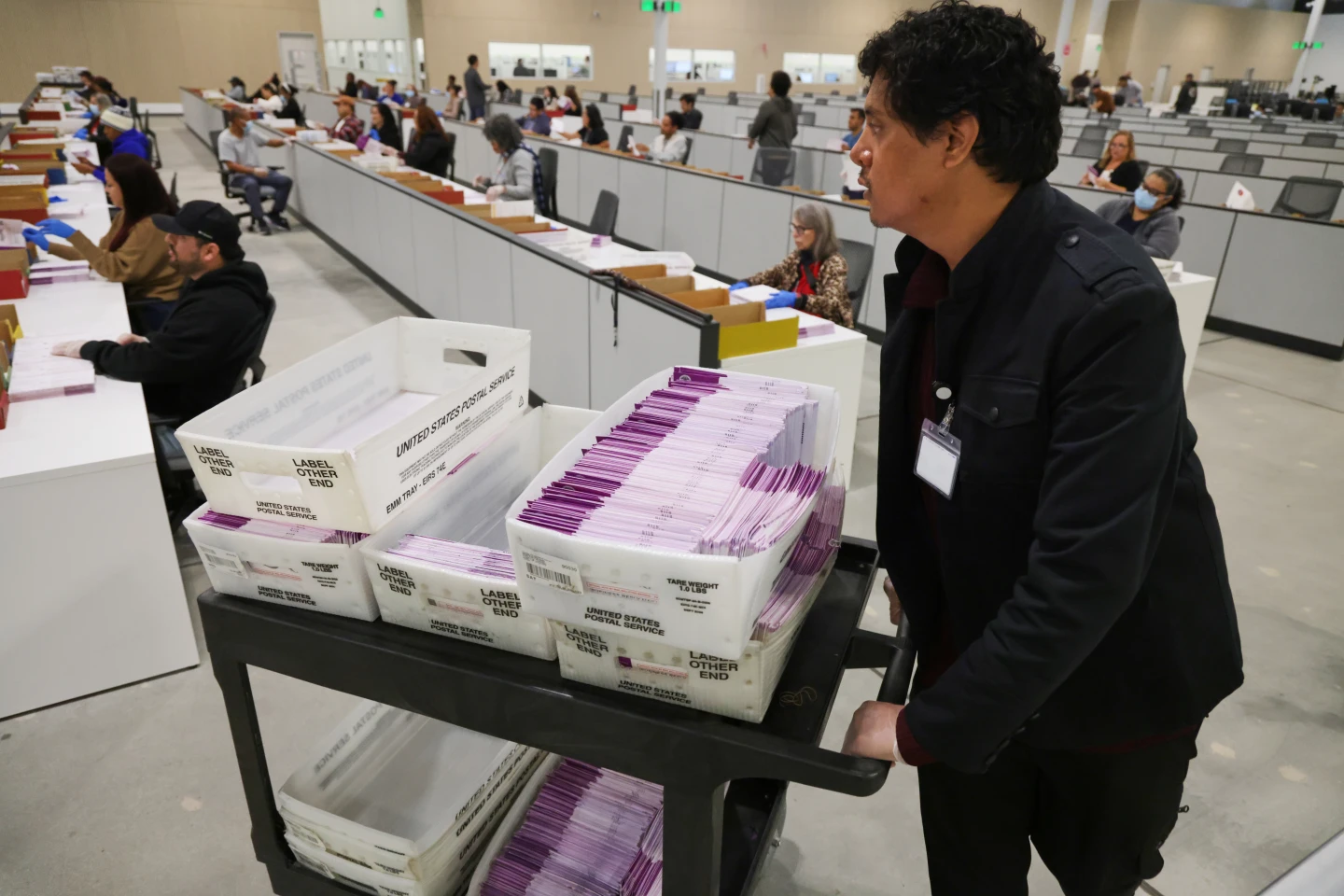
Currently, 14 states allow mail ballots sent by Election Day to be counted even if they arrive a few days after. In contrast, the ongoing Supreme Court proceedings are questioning whether such grace periods should exist, particularly as conservative justices voiced skepticism about their validity.
Arguments took place over the case that challenges Mississippi's law permitting the counting of ballots postmarked by Election Day that arrive up to five days later. This case stems from claims by the Republican National Committee and the Libertarian Party about the potential integrity of elections.
Justice Brett Kavanaugh raised concerns regarding the possible disruption of upcoming elections if a decision were to be made too close to the elections. Election officials worry about the ambiguity created by potential changes to established voting rules. Former Arizona election official Tammy Patrick highlighted the chaos that could ensue, noting that materials for informing voters are often prepared long in advance.
Currently, the overwhelming majority of mail ballots typically arrive on time; for instance, in Nevada, 98% arrive by Election Day. However, the changing of rules could require significant adjustments to inform voters about tighter deadlines. Advocates for mail-in voting emphasize that rural voters, whose mail service may be slower, could be disproportionately affected by stricter ballot counting rules.
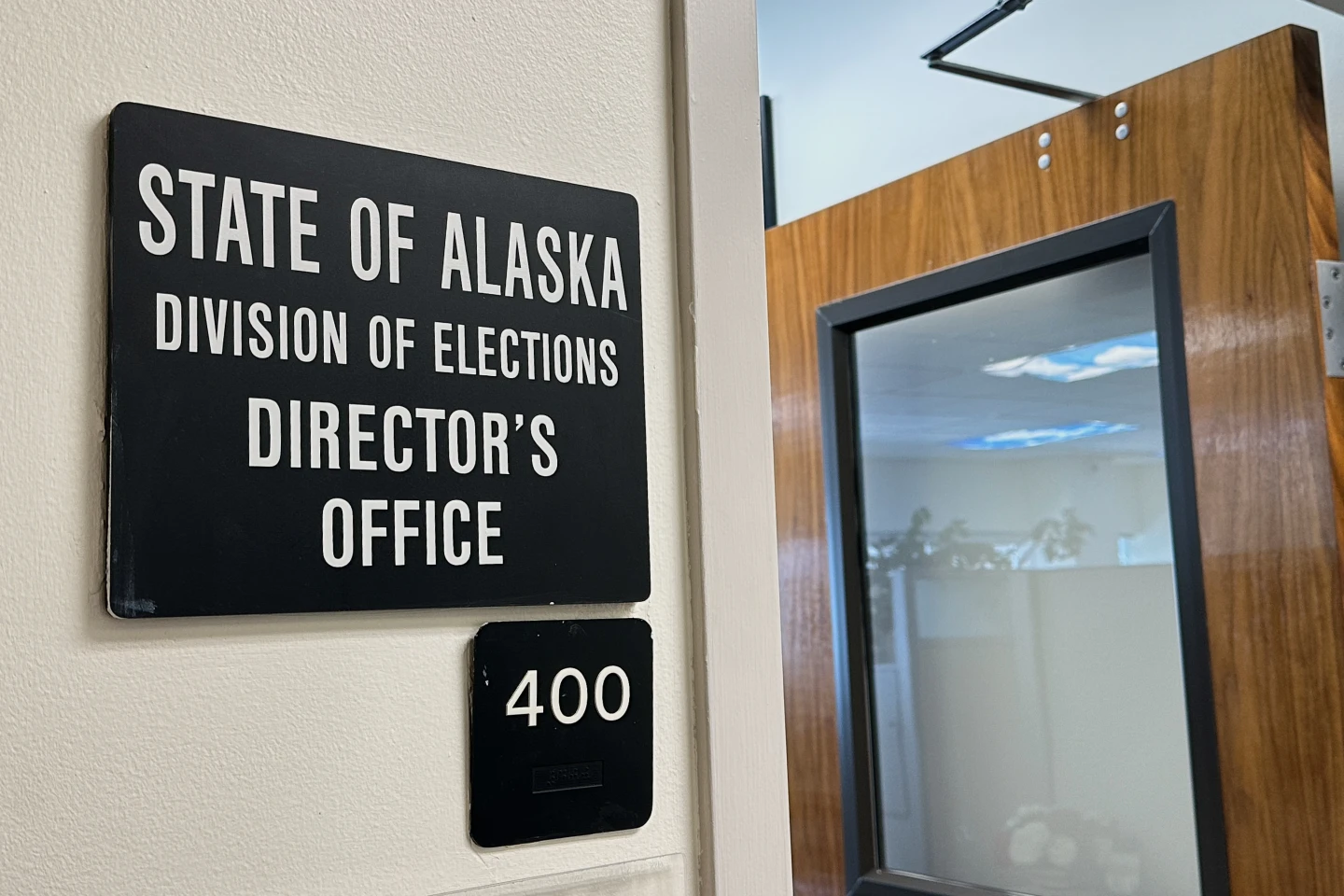
Some states, like Alaska, rely heavily on grace periods for mail voting. Aguilar warned that changing voting rules mid-cycle could lead to confusion among voters. As these legal discussions progress, the urgency for clear voter education and planning efforts takes center stage for many officials nationwide.