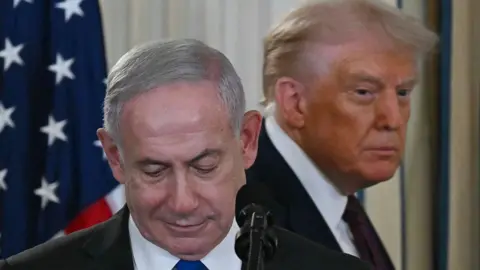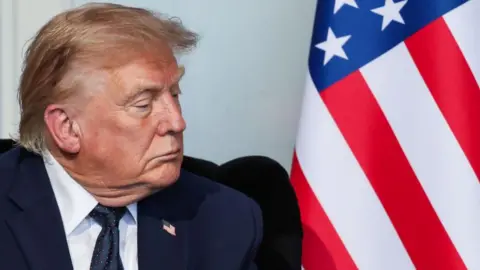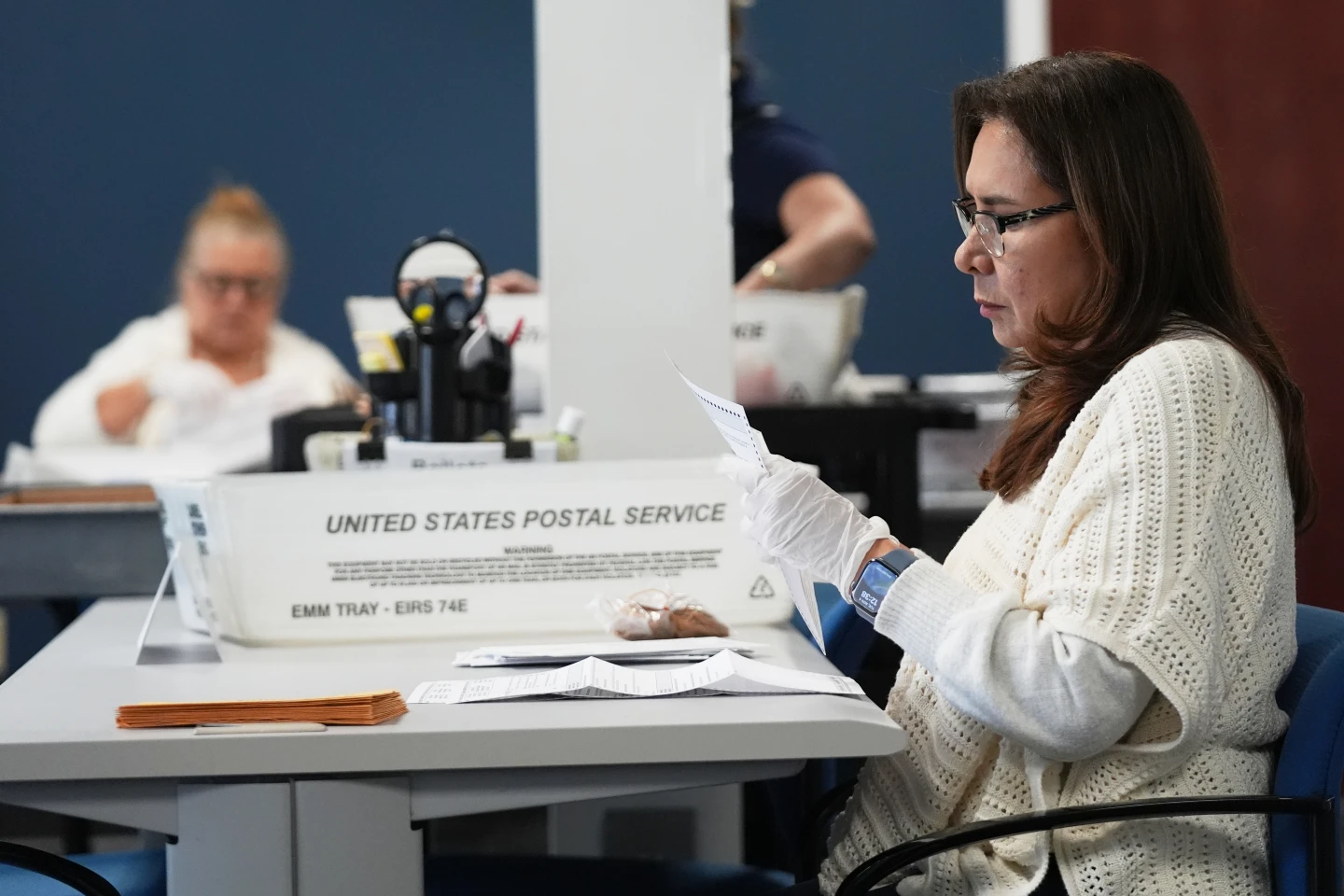
The Supreme Court's conservative majority expressed considerable skepticism toward state laws that would allow counting late-arriving mail ballots—a topic rigorously addressed by former President Donald Trump in his public statements against mail-in voting. The justices gathered on Monday to hear arguments concerning a Mississippi case that could set a precedent impacting 13 additional states and the District of Columbia, all of which currently permit grace periods for mail-in ballots. A final decision from the Court is anticipated by late June, aiming to provide guidelines ahead of the 2026 congressional midterm elections.
This ongoing court challenge reflects Trump’s broader narrative that aims to limit mail-in voting, which he argued could lead to fraud, despite a lack of substantial evidence supporting such claims. During the hearings, Justice Samuel Alito voiced particular concerns that a substantial influx of late ballots could prematurely unsettle election results.
Scott Stewart, representing Mississippi, countered that the arguments presented by Trump and his allies lacked any documented instances of fraud associated with late mail ballots. Meanwhile, the liberal justices of the Court indicated a tendency to uphold laws that accommodate post-Election Day deadlines, with Justice Sonia Sotomayor emphasizing that decisions on electoral processes should primarily be made by Congress and the states rather than the courts.
The broader implications of the ruling could influence states like California, Texas, New York, and Illinois—some of which have established post-deadline ballot acceptance as a norm for years. Proponents of maintaining current practices caution against abrupt changes, warning it may create confusion and disenfranchisement among voters who have adapted over time.
The prevailing legal discussion centers around whether federal law dictates a singular Election Day whereby ballots must be both cast and received by state authorities. This case stems from a 5th U.S. Circuit Court of Appeals decision that invalidated Mississippi’s law allowing ballots with an Election Day postmark to be counted if they arrive within five business days thereafter, citing federal law as a conflict. As such, this legislative challenge continues to unfold, with the possibility of significant repercussions for future voting practices across the nation.
This ongoing court challenge reflects Trump’s broader narrative that aims to limit mail-in voting, which he argued could lead to fraud, despite a lack of substantial evidence supporting such claims. During the hearings, Justice Samuel Alito voiced particular concerns that a substantial influx of late ballots could prematurely unsettle election results.
Scott Stewart, representing Mississippi, countered that the arguments presented by Trump and his allies lacked any documented instances of fraud associated with late mail ballots. Meanwhile, the liberal justices of the Court indicated a tendency to uphold laws that accommodate post-Election Day deadlines, with Justice Sonia Sotomayor emphasizing that decisions on electoral processes should primarily be made by Congress and the states rather than the courts.
The broader implications of the ruling could influence states like California, Texas, New York, and Illinois—some of which have established post-deadline ballot acceptance as a norm for years. Proponents of maintaining current practices caution against abrupt changes, warning it may create confusion and disenfranchisement among voters who have adapted over time.
The prevailing legal discussion centers around whether federal law dictates a singular Election Day whereby ballots must be both cast and received by state authorities. This case stems from a 5th U.S. Circuit Court of Appeals decision that invalidated Mississippi’s law allowing ballots with an Election Day postmark to be counted if they arrive within five business days thereafter, citing federal law as a conflict. As such, this legislative challenge continues to unfold, with the possibility of significant repercussions for future voting practices across the nation.